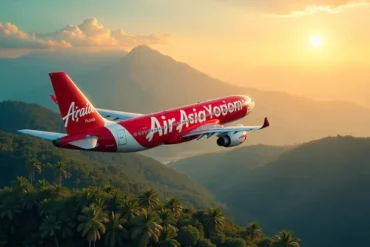
Malaysia’s AirAsia is preparing a bold expansion strategy that could reshape affordable air travel between Europe and Southeast Asia. By the end of 2025, the low-cost airline plans to establish a strategic Gulf hub in either Ras Al Khaimah in the United Arab Emirates or a key city in Saudi Arabia. This move marks a renewed push into the Middle East after a previous attempt in 2013 failed to take root. Armed with long-range aircraft, a refined hub-and-spoke strategy, and renewed regional partnerships, AirAsia is laying the groundwork for a new era of intercontinental low-cost aviation.
A Second Attempt with Stronger Foundations
AirAsia’s CEO Tony Fernandes, speaking in a recent interview with Dubai Eye radio, confirmed that the airline is currently evaluating four locations in the Gulf, with Ras Al Khaimah International Airport (RAK) and an undisclosed city in Saudi Arabia emerging as frontrunners. Unlike the airline’s earlier foray into the region—which was hindered by regulatory and market challenges—this iteration is backed by modern infrastructure, evolving tourism strategies in the Gulf, and the right aircraft to close the distance between continents.
The focus is squarely on tapping into the massive and underserved demand for affordable long-haul travel, particularly between secondary European cities and rapidly growing Southeast Asian tourism and business destinations. This ambition is also in line with shifting aviation dynamics in the post-pandemic global travel market, where travelers are increasingly cost-conscious but unwilling to compromise on connectivity and experience.
Ras Al Khaimah: A Rising Emirate with Aviation Ambitions
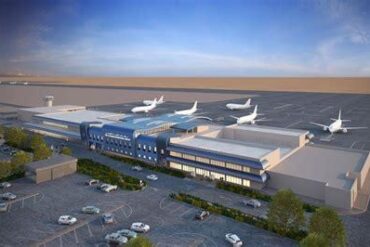
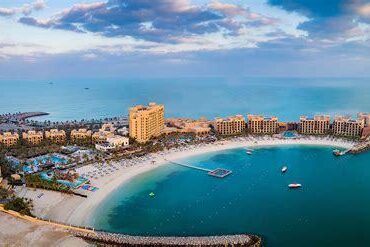
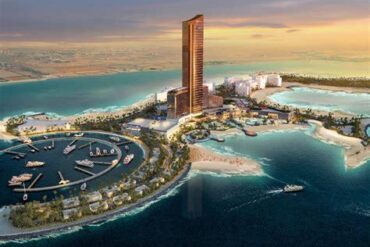
Nestled on the northern tip of the UAE, Ras Al Khaimah has been quietly transforming itself into an aviation and tourism hotspot. The emirate’s international airport has seen substantial upgrades in both passenger handling capacity and runway infrastructure, positioning it as a viable alternative to the more saturated Dubai and Abu Dhabi hubs.
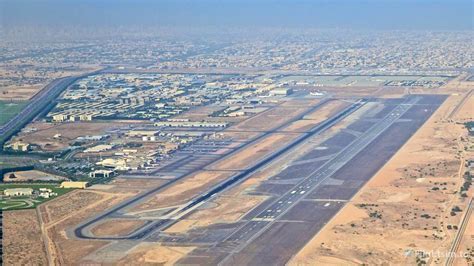
Unlike its more congested neighbors, RAK offers lower operational costs, available slots, and a growing tourism sector bolstered by adventure, cultural, and eco-tourism. These factors make it an ideal partner for a cost-conscious operator like AirAsia. The airport is already part of a wider initiative to attract more international carriers and routes, including strategic incentives to promote long-haul low-cost operations.
RAK’s strategic location offers direct air corridors to Western and Eastern Europe, while being close enough to link seamlessly with AirAsia’s extensive Southeast Asia network. For passengers, this translates to one-stop access to cities like Bangkok, Kuala Lumpur, Manila, and Jakarta—and eventually onward to Europe.
Saudi Arabia: The Power of Vision 2030 in Action
The other major contender, Saudi Arabia, has been aggressively revamping its aviation sector under its ambitious Vision 2030 initiative. The kingdom is investing billions into airport infrastructure, tourism promotion, and open-skies agreements as part of its diversification drive. Riyadh, Jeddah, and Dammam have already seen significant upgrades and are now welcoming more international carriers than ever before.
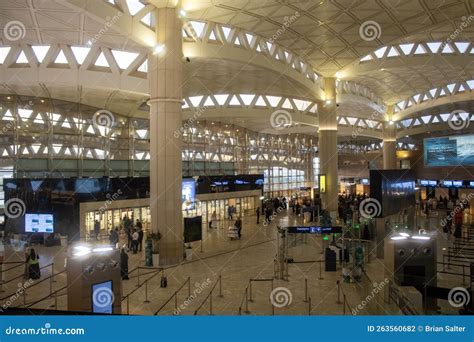
AirAsia has steadily expanded into the Saudi market, adding new routes that have shown strong performance. Establishing a hub in the kingdom would offer unparalleled access to the region’s largest economy and most populous nation. Additionally, Saudi Arabia’s central geographic location between Asia, Africa, and Europe enhances its viability as a long-haul transit node.
As Saudi Arabia positions itself to become the Middle East’s leading aviation hub, partnering with AirAsia could serve both national tourism goals and AirAsia’s ambition to dominate budget long-haul routes. The political will, infrastructural resources, and growing aviation ecosystem make the kingdom a formidable choice.
Long-Range Aircraft: A Game-Changer for AirAsia’s Network
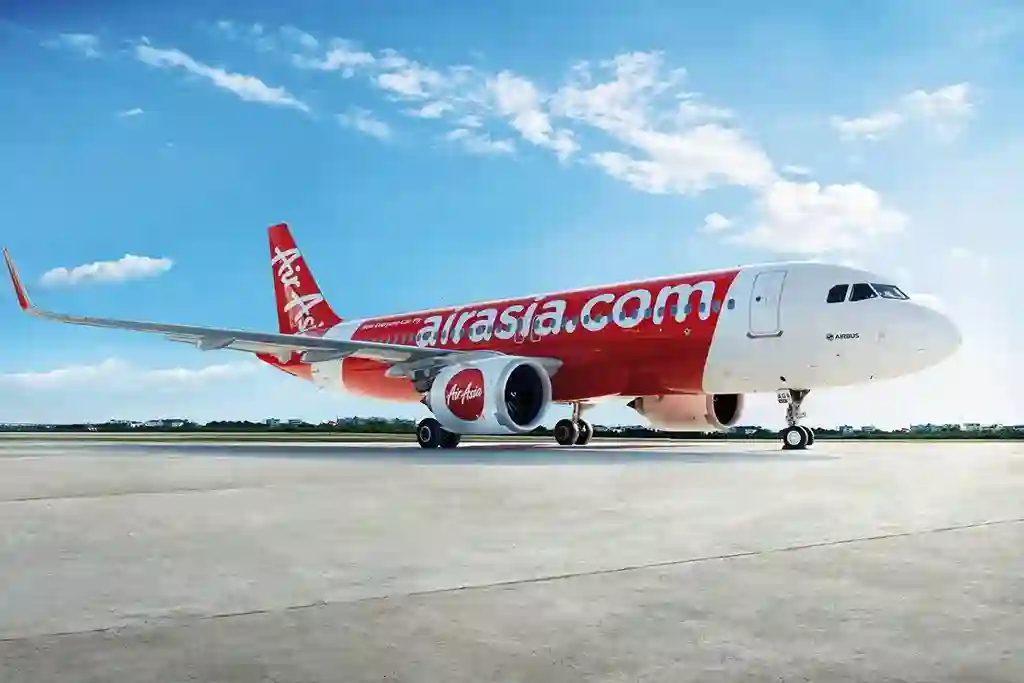
At the heart of this Gulf strategy lies the Airbus A321XLR, a long-range narrowbody aircraft designed to cover distances of up to 8,700 km. AirAsia has invested in this aircraft to open up new point-to-point routes and expand its hub-and-spoke capability, linking the Gulf to Europe and Southeast Asia with greater efficiency and lower operating costs.
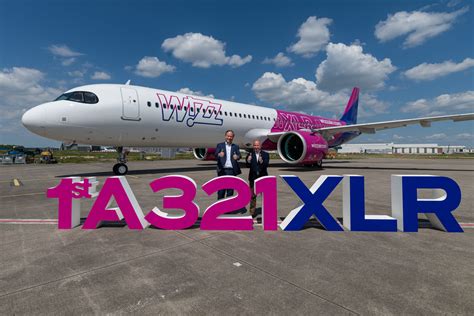
This new fleet will allow AirAsia to target secondary European cities often overlooked by legacy carriers and unaffordable under traditional airline models. Destinations like Dublin, Glasgow, Manchester, and Prague can now be integrated into AirAsia’s route map, connected via the Gulf hub and offered at prices that appeal to a broader demographic.
In addition, the A321XLR’s lower fuel burn and higher efficiency aligns well with AirAsia’s sustainability goals. With global attention on aviation’s environmental footprint, operating cleaner, leaner jets adds a competitive edge in eco-conscious markets.
Hub-and-Spoke Model: From Budget Carrier to Network Powerhouse
Historically, AirAsia built its success on a point-to-point model, dominating short- and medium-haul routes across Asia. However, the limitations of this model became apparent as the airline sought to expand its global footprint. The new Gulf hub marks a strategic shift to a hub-and-spoke system, wherein passengers transit through a central hub for onward travel.
This system allows AirAsia to:
- Aggregate traffic from different origin points for optimal aircraft utilization
- Offer more destinations with fewer aircraft movements
- Improve schedule flexibility and route diversity
- Attract multi-leg travelers, particularly long-haul budget tourists
Tony Fernandes emphasized that the airline aims to increase its connecting passenger traffic, currently at only 8%, to much higher levels. By enabling seamless travel between Southeast Asia and Europe, the Gulf hub is pivotal to realizing this vision.
Implications for Passengers: More Choices, Lower Prices
For consumers, the arrival of a new Gulf hub operated by AirAsia means a greater variety of low-cost long-haul routes. Budget travelers from Southeast Asia will have access to European cities that were previously costly or complicated to reach. European travelers, in turn, gain affordable access to Asia’s top destinations with one-stop connectivity.
Additionally, the hub will allow AirAsia to introduce multi-destination travel packages, enabling tourists to combine several countries in one trip without breaking the bank. Expect new product offerings tailored for leisure, VFR (visiting friends and relatives), and even small business segments—many of whom have been priced out of the market by legacy carriers.
Regional Competition and Strategic Timing
AirAsia’s move into the Gulf comes amid growing competition in the low-cost, long-haul market. Competitors like Wizz Air Abu Dhabi, flynas, and even traditional players like Emirates are innovating to capture the next wave of budget travelers. However, AirAsia’s proven brand in Asia, combined with its long-haul aspirations, gives it a unique edge.
The timing is also crucial. Post-pandemic travel has seen a surge in demand but also shifting patterns—travelers are more flexible, deal-savvy, and open to trying new carriers. AirAsia is betting that its affordable fares, digital platform, and regional expertise will allow it to outperform competitors in this new era of mobility.
Conclusion: Gulf Hub as Catalyst for AirAsia’s Global Growth
The establishment of a Gulf hub in either Ras Al Khaimah or Saudi Arabia is more than a regional play—it’s a cornerstone of AirAsia’s global transformation. With the ability to connect underserved European cities to booming Southeast Asian markets, AirAsia is setting the stage to become a dominant force in budget intercontinental travel.
By leveraging modern aircraft, capitalizing on regional aviation strategies, and embracing a hub-and-spoke model, the airline is creating a blueprint for future success. The Gulf hub—whether in the UAE or Saudi Arabia—will serve as the nexus of affordability, convenience, and geographic advantage, delivering a win-win for passengers, partners, and the airline itself.
In a world where value-driven travel is increasingly in demand, AirAsia’s Gulf ambitions may very well redefine how the world flies between Europe and Asia.