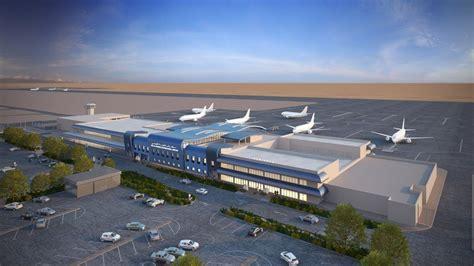
Ras Al Khaimah International Airport (RAK Airport) is set to undergo a transformative expansion that aims to establish the emirate as a pivotal aviation and tourism hub in the UAE by 2028. This ambitious project includes the construction of a new 30,000 square meter terminal, which will significantly enhance the airport’s existing facilities, already comprising a 4,933 square meter departure terminal and a 3,134 square meter arrival terminal. Spearheaded by Sheikh Salem bin Sultan Al Qasimi, Chairman of the Department of Civil Aviation and the Airport’s Board, this expansion marks a strategic move towards accommodating the growing demand for air travel and tourism in Ras Al Khaimah. In an exclusive interview, Sheikh Salem articulated the long-term vision behind this development, emphasizing its importance for both Ras Al Khaimah and the broader UAE aviation and tourism landscape.
A Strategic Vision for Aviation and Tourism Growth
The expansion of Ras Al Khaimah International Airport transcends mere capacity increases; it is about building a robust infrastructure that aligns with the emirate’s burgeoning tourism sector. The new terminal will significantly improve passenger facilities while enhancing the overall travel experience. Advanced technological innovations will be integrated into the terminal, including upgraded baggage handling systems, electronic gates, improved passport control, and more efficient customs and police services. These upgrades are designed to enhance operational efficiency and provide passengers with a seamless travel experience.
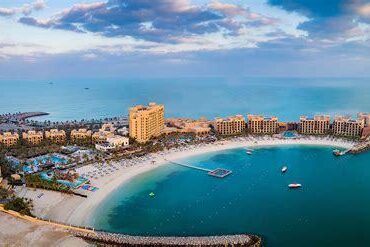
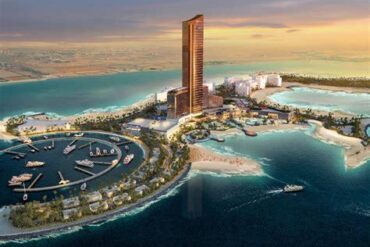
As Ras Al Khaimah gains traction as a prime tourist destination—particularly with attractions like Al Marjan Island and its luxurious resorts—the airport’s expansion aims to meet increasing passenger demand. Sheikh Salem emphasized that the strategic goal is clear: to position Ras Al Khaimah as a central player in the regional aviation and tourism industries, thus facilitating the emirate’s growth.
Expanding to Meet the Demands of Luxury Travel
In addition to enhancing general passenger services, RAK Airport is also planning to construct a private aviation terminal tailored for high-end travelers and private jet operators. This exclusive facility will feature dedicated hangars and parking areas specifically designed to accommodate luxury travel demands. Operating independently from the main terminal, the private aviation terminal reinforces Ras Al Khaimah’s commitment to delivering world-class services to elite travelers. As the emirate continues to attract luxury tourists, this expansion is poised to complement Ras Al Khaimah’s growing portfolio of high-end resorts, spas, and golf courses, ensuring a seamless experience from arrival at the airport to accommodation.
Sheikh Salem revealed, “We’ve opened tenders for a private aviation terminal, which will include dedicated hangars and aircraft parking areas to meet increasing demand from high-end travelers and private jet operators. This will cater to the growing luxury travel segment and further position Ras Al Khaimah as a premium destination.”
Integrating Technology for a World-Class Travel Experience
The new terminal at Ras Al Khaimah International Airport will not only expand capacity but will also integrate cutting-edge technologies designed to elevate passenger experiences. Sheikh Salem highlighted that the expansion focuses on innovative services and state-of-the-art facilities to meet evolving traveler needs. Notable features will include smart security systems, self-service kiosks, and automated check-in services, all aimed at streamlining processes and reducing wait times.
Additionally, advanced baggage handling systems will facilitate quick and efficient luggage transfers, while electronic gates will simplify immigration and boarding procedures, allowing passengers faster entry and exit. These technological upgrades align with the UAE’s vision of becoming a leader in smart cities and innovative infrastructure, positioning Ras Al Khaimah’s airport as a model for modern travel.
An Integrated Approach to Sustainability
In alignment with Ras Al Khaimah’s sustainability goals, the new terminal will incorporate eco-friendly technologies aimed at minimizing environmental impact. The design will feature energy-efficient LED lighting, geothermal heat pumps, and water recycling systems throughout the terminal, ensuring environmentally responsible operations. A standout aspect of the new terminal is its integration of DYNAES’s thermodynamic energy efficiency solutions, making it the first terminal in the Middle East and Asia to adopt these advanced technologies. This initiative marks a significant milestone in green airport infrastructure, establishing Ras Al Khaimah’s airport as a leader in sustainable aviation practices.
The use of geothermal energy and solar-powered systems will not only help reduce operational costs but will also lower the airport’s carbon footprint, contributing to the UAE’s commitment to sustainable development.
Expanding Cargo Operations
While the expansion primarily focuses on passenger services, cargo operations at Ras Al Khaimah International Airport are also set to experience substantial growth. The airport has recently attracted a new air cargo operator that has chosen Ras Al Khaimah as its regional base, highlighting the significance of logistics and cargo movement in the local economy. This new operator has already completed over 100 freight flights, transporting goods such as pharmaceuticals, livestock, and other high-value products. Ras Al Khaimah’s strategic location near key global trade routes enhances its appeal for companies looking to streamline their supply chains.
Plans are underway to establish an aircraft maintenance center at the airport, which will further bolster its role in the region’s aviation industry. This new facility will support a growing fleet of commercial aircraft and private jets, positioning Ras Al Khaimah as an increasingly vital player in the aviation sector.
Passenger Growth and Future Prospects
The timing of the Ras Al Khaimah International Airport expansion coincides with a period of remarkable growth in both passenger traffic and cargo movements. The airport recorded a steady increase in travelers, with the first four months of 2025 seeing 332,280 passengers, including 164,691 arrivals and 144,045 departures. April marked the highest number of arrivals, with 46,841 visitors, while January witnessed significant transit activity, with 1,446 passengers passing through. This surge in traffic aligns with Ras Al Khaimah’s emergence as a burgeoning tourism and business hub.
In 2024, the airport experienced a 28% increase in arrivals, welcoming over 661,000 passengers, nearly double the numbers recorded in 2022. This growth has been largely driven by improved flight connectivity and rising interest in the emirate as a tourist destination. Looking ahead, the airport is projected to accommodate up to 3 million travelers in the coming years, with the new terminal serving as a central hub for passenger movement.
Regional and International Connectivity
Ras Al Khaimah International Airport is already home to several international carriers, including Air Arabia, IndiGo, and Air India Express, providing direct flights to major destinations such as Cairo, Jeddah, Pakistan, India, Moscow, and Prague. The airport’s expanding network of international flights and cargo services is making it a crucial connector for global travelers. Sheikh Salem has confirmed that ongoing negotiations with various international carriers are underway to enhance connectivity to Ras Al Khaimah, particularly with increasing interest from European markets and luxury tourism destinations.
The rising demand for high-end resorts, coupled with Ras Al Khaimah’s stunning natural beauty, renders it an attractive destination for both leisure and business travelers alike.
A Transformational Step for Ras Al Khaimah’s Future
The expansion of Ras Al Khaimah International Airport signifies a monumental leap in the emirate’s long-term vision to solidify its status as a premier aviation and tourism hub in the Middle East. With its state-of-the-art facilities, focus on sustainability, and strategic development initiatives, the airport is poised to play a central role in the region’s economic growth and global connectivity. By 2028, upon completion of the expansion, Ras Al Khaimah will be well-equipped to handle an increasing influx of travelers while simultaneously supporting the burgeoning cargo industry.
With the backing of local and international partners, Ras Al Khaimah’s airport is destined to become a vital gateway to the UAE, providing a seamless travel experience for both passengers and high-end travelers, and contributing significantly to the emirate’s vibrant tourism and economic sectors.