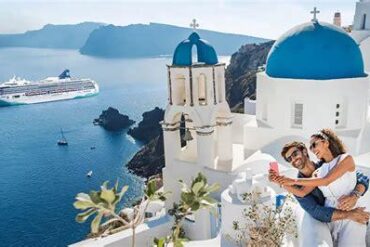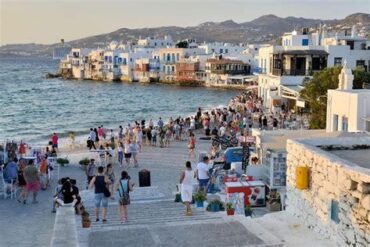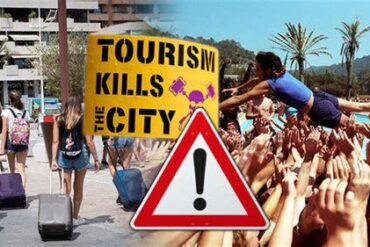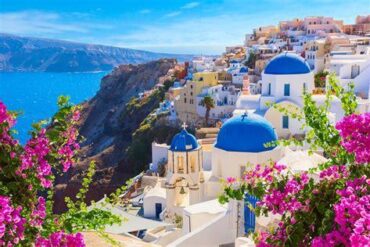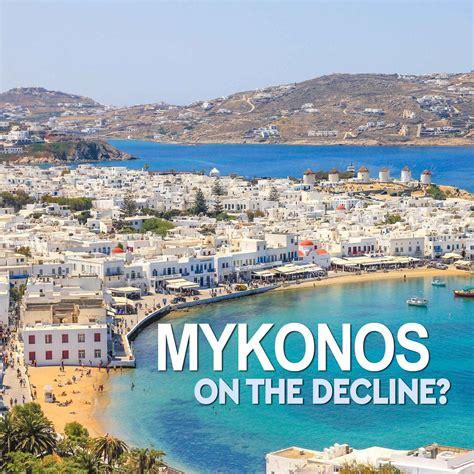
As the landscape of travel evolves, the iconic Greek islands of Mykonos and Santorini are experiencing a significant downturn in tourist bookings, particularly from travelers in the UK and the US. Recent data indicates a striking trend: visitors are increasingly drawn to quieter, more authentic destinations across the Aegean, leaving behind the overcrowded and expensive hotspots that once dominated their itineraries. According to Ferryscanner, a notable booking platform, the first half of 2025 has seen Mykonos bookings plummet by 33% and Santorini by a staggering 50% compared to the previous year, driven largely by rising costs and the influx of tourists seeking more serene alternatives.
The dramatic decline in bookings for these famed islands can be attributed to several factors. Over the past few years, soaring prices have made luxury travel less accessible, prompting a shift in priorities among modern travelers. In Santorini, a series of minor earthquakes earlier this year exacerbated the situation, contributing to a significant drop in visitor numbers. In an effort to combat this trend, businesses on both islands have resorted to substantial discounts, with Mykonos offering reductions of up to 45% during peak summer months. This marks a concerning trend, as it is the third consecutive year that such measures have been necessary to maintain occupancy levels.
Meanwhile, lesser-known islands are witnessing a surge in popularity. Aegina, Poros, Paros, Lefkada, and Skopelos are emerging as the new favorites among tourists, especially Americans, who are eager to explore Greece’s hidden gems. For instance, Aegina has seen an astonishing 333% increase in bookings, while Poros has even surpassed that, boasting a 350% rise. These tranquil islands offer not just lower prices but also a more authentic Greek experience that appeals to today’s discerning traveler.
Travelers are increasingly prioritizing meaningful experiences over the glitz and glamour often associated with well-trodden destinations. The appeal of smaller islands lies in their ability to provide a slower-paced vacation that fosters genuine connections with local culture, cuisine, and nature—without the burden of excessive crowds or high costs. This shift reflects a broader transformation in travel behavior; tourists are now searching for authenticity, sustainability, and serenity in their holiday experiences.
The surge in interest towards islands like Paros is particularly noteworthy. Once overshadowed by the likes of Mykonos and Santorini, Paros has become the second-most popular Greek island for American tourists, highlighting a significant change in destination preferences. As travelers seek out locations that offer a blend of vibrant local culture and manageable tourism infrastructure, Paros is rapidly establishing itself as a key player in the Aegean travel scene.
British tourists are mirroring this trend, with Lefkada reporting an incredible 1,167% increase in bookings. Other islands like Sougia, Fourni, and Kastellorizo are also gaining traction, each registering growth rates exceeding 200%. This shift indicates a collective desire among British travelers to avoid crowded beaches and overpriced resorts, opting instead for islands steeped in historical charm, rugged landscapes, and peaceful atmospheres.
As the dynamics of Greek tourism continue to evolve, the mass migration towards quieter islands signifies a deeper transformation in travel philosophy. The industry, which has traditionally been volume-driven and centered around a handful of popular destinations, is gradually embracing a more balanced, quality-focused model. Authenticity and sustainability are becoming the cornerstone of this new approach, as travelers gravitate towards islands characterized by traditional architecture, family-run guesthouses, and local tavernas.
This paradigm shift presents an opportunity for the Greek tourism sector to redefine its appeal for a new generation of global explorers. The data released by Ferryscanner, based on bookings made between January and May 2025, paints a vivid picture of this change. As tourists from both the UK and the US expand their horizons beyond Mykonos and Santorini, they are uncovering a richer, more diverse Greece that offers far more than just sun and sand.
In conclusion, the dramatic decline in bookings for Mykonos and Santorini serves as a wake-up call for the Greek tourism industry. As travelers embrace off-the-beaten-path destinations that prioritize authenticity and tranquility, the future of Greek tourism appears to lie in diversity. Smaller islands, with their unique character and charm, are poised to play a pivotal role in shaping more meaningful and memorable travel experiences. This transition is not merely a fleeting trend; it represents a significant shift in how we perceive and engage with travel in an ever-changing world.