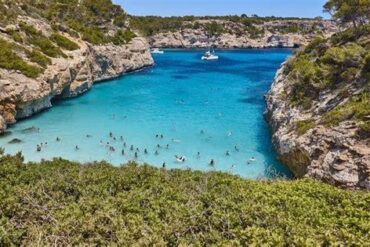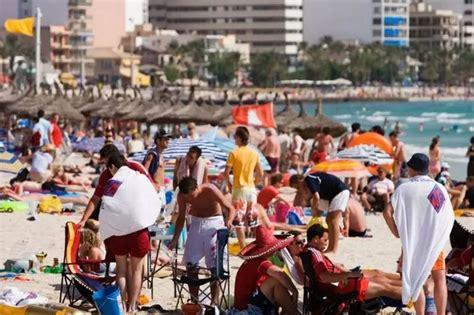
As the world navigates a landscape increasingly defined by geopolitical tensions, Majorca’s tourism sector is experiencing a significant setback. Traditionally a favorite among British travelers, the island is now witnessing a shift in tourist preferences as many are opting for budget-friendly destinations in Greece and Turkey. This phenomenon is not merely a passing trend; it is a direct consequence of escalating tensions in the Middle East, which have prompted British travel companies to implement drastic price cuts on flights and package holidays to these alternative Mediterranean locations.
The implications for Majorca are profound. With British tourists accounting for a large percentage of the island’s visitors, the decline in their numbers raises serious questions about the economic stability of a region heavily reliant on tourism revenue. The economic stakes are high, as tourism contributed approximately 45 percent to Majorca’s GDP in 2021, underscoring the sector’s critical role in sustaining local jobs and businesses.
The Allure of Greece and Turkey
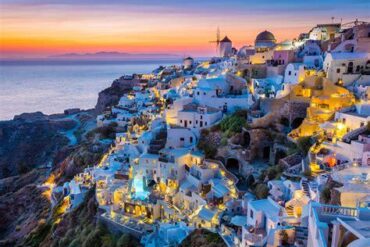
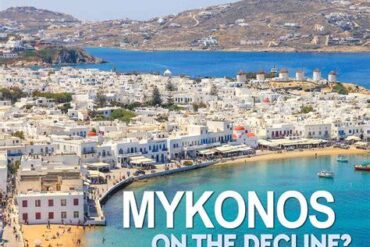
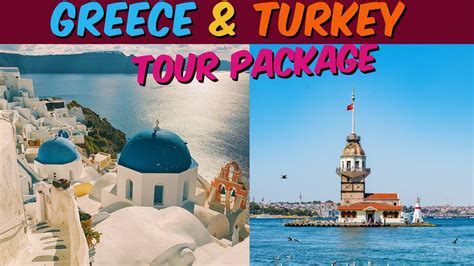
In recent months, British holidaymakers have turned their attention to Greece and Turkey, where attractive pricing has made these destinations more appealing than ever. Leading travel operators such as TUI and Jet2 Holidays are offering remarkable discounts, making vacations to these locales not only affordable but also enticing. For instance, TUI is advertising packages to Kavos on the Greek island of Corfu, with prices starting at just £228 for a trip in mid-July. Meanwhile, Jet2 Holidays features week-long stays in picturesque towns like Parga in Greece and popular Turkish resorts such as Marmaris and Bodrum, all available for less than £300 per week.
These aggressive pricing strategies are a direct response to the changing landscape of consumer demand. As uncertainty in the Middle East drives travelers away from traditional routes, companies have had to slash prices to maintain competitiveness and retain their market share.
The Economic Ramifications for Majorca
Despite its storied reputation as a summer hotspot, Majorca has seen a notable decline in British tourism. This downturn poses severe economic risks, particularly for the hospitality sector, which has already been grappling with challenges exacerbated by the pandemic. The sharp drop in British tourists could lead to an increase in unemployment and business closures, as local establishments struggle to remain viable amid reduced foot traffic.
Local residents have expressed growing concerns over the sustainability of tourism on the island. While some may welcome the decrease in crowds—alleviating the strain on public resources and infrastructure—others recognize the dire economic consequences that accompany a decline in visitors. The hospitality industry, which thrives on the influx of tourists, faces a precarious future unless new strategies are implemented to attract visitors back to Majorca.
Overtourism: A Compounding Issue
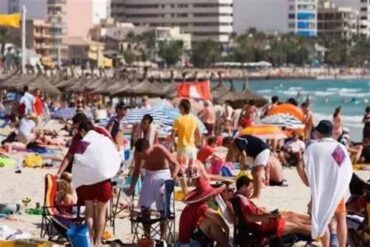
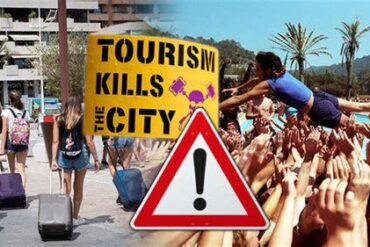
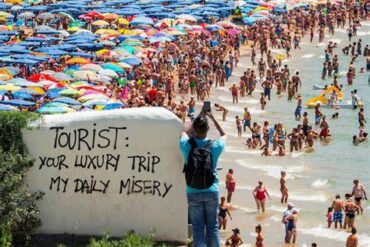
One of the underlying issues contributing to the current crisis in Majorca is the rising phenomenon of overtourism. The island has become a flashpoint for protests against overcrowding, as locals voice their frustrations over the overwhelming number of visitors that inundate its streets, beaches, and public spaces each summer. The strain on essential services—ranging from public transport to waste management systems—has sparked tension between residents and tourists, leading to calls for a reduction in visitor numbers.
This unrest is not confined to Majorca alone; other Spanish cities such as Barcelona, San Sebastián, and Granada, as well as popular destinations in Portugal and Italy, are experiencing similar protests. The collective dissatisfaction with overtourism underscores a pressing need for a reevaluation of how tourism is managed across Europe.
The Rise of Southeastern Europe
Amidst the challenges facing Majorca, another trend is emerging: the rise of southeastern Europe as a new tourist hub. Countries like Croatia, Bulgaria, and Albania are increasingly appealing to British travelers seeking diverse landscapes and rich cultural experiences at more affordable price points. These destinations offer not only stunning scenery but also a cost-effective alternative to the pricier resorts in Spain. Travel industry analysts predict that this trend will continue, intensifying competition for the British tourist market.
With more flight options and holiday packages available to these southeastern European countries, Majorca’s tourism industry is confronted with the daunting task of reclaiming its lost appeal. The shift in consumer behavior reflects a broader desire for value without compromising on the quality of the travel experience.
Strategies for Regaining Tourist Interest
Tourism leaders in Majorca now face the critical challenge of revitalizing the island’s image and attractiveness to British travelers. Effective strategies must be identified to balance the need for tourist influx with the local community’s desire for sustainable tourism practices. It is essential for Majorca to develop innovative solutions that preserve its natural beauty and cultural heritage while accommodating tourists in a responsible manner.
The decline in British tourism, driven by the allure of budget-friendly alternatives and intensified by geopolitical uncertainties, presents a significant challenge for Majorca. While some locals might appreciate the reduction in overcrowding, the potential economic fallout is severe. The tourism sector must navigate these changes with agility, seeking new ways to attract visitors while addressing the pressing concerns of the local population.
In conclusion, Majorca’s tourism is at a crossroads. As British tourists increasingly gravitate towards Greece and Turkey, the island must adapt to shifting consumer preferences and find a way to rejuvenate its position as a leading holiday destination. Balancing the demands of tourists with the needs of the local community will be paramount in ensuring a sustainable and prosperous future for Majorca’s tourism industry.