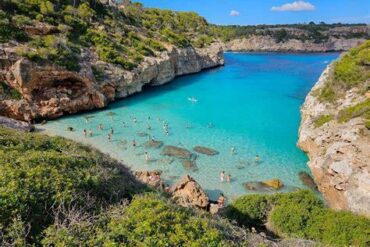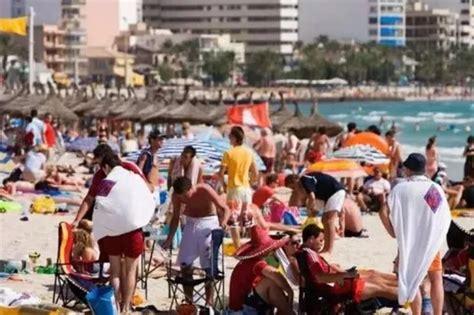
British holidaymakers planning trips to Spain, Majorca, Tenerife, and other prominent Spanish hotspots have been hit with fresh warnings as a wave of anti-tourism protests continues to ripple across the region. The chaos is forcing travel operators to reconsider their offerings, urging UK travelers to cancel or postpone holidays amid increasing local hostility and social unrest.
The warnings stem from a growing movement across Spain and its islands, where residents are calling out the detrimental effects of mass tourism on housing, infrastructure, and the environment. With tensions peaking and the travel atmosphere becoming unpredictable, many British tourists are reevaluating their summer plans, seeking destinations that promise both safety and a warmer reception.
Mounting Unrest Across Spain’s Top Holiday Regions
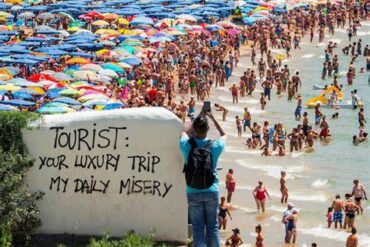
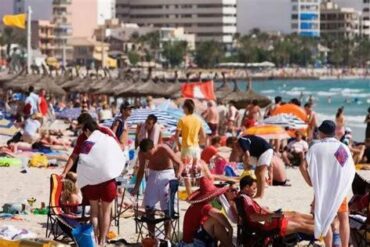
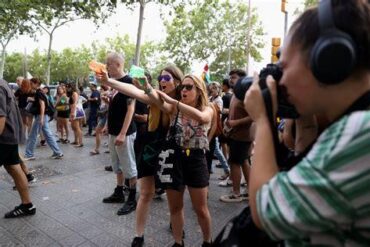
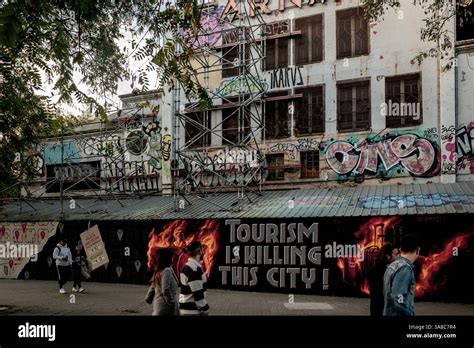
In recent months, Spain’s Balearic Islands—including Majorca, Ibiza, and Menorca—as well as Tenerife, Málaga, Granada, and San Sebastián have experienced a sharp surge in organized protests against overtourism. These demonstrations are not isolated events but part of a coordinated campaign led by the Southern Europe Network Against Touristification (SET). The movement denounces the unchecked growth of tourism that has been blamed for inflating housing prices, polluting the environment, and disrupting local life.
Activists argue that excessive tourism is turning beloved hometowns into “theme parks for the rich,” where locals can no longer afford to live or access basic amenities. These sentiments are especially strong in smaller island communities like Majorca, where residents have become increasingly vocal. One striking moment occurred earlier this year when local protestors unfurled a banner on Palma’s seafront reading, “Tourists go home,” drawing international attention.
What makes this wave of activism particularly disruptive is its broad local support. Unlike sporadic demonstrations in the past, these protests involve coordinated efforts from environmental groups, housing rights organizations, and even some municipal leaders, creating an atmosphere of confrontation and hostility that many British tourists are unprepared for.
British Tourists Speak Out: Frustration and Fear Mount
UK holidaymakers, many of whom see Spain as a perennial go-to vacation destination, have not remained silent. Social media platforms are now flooded with first-hand accounts, travel warnings, and general unease, with some British travelers sharing stories of cold receptions, legal uncertainty, and subtle but persistent antagonism in towns they once felt welcomed in.
Comments range from frustration over anti-tourist graffiti and confrontational encounters, to fears about possible legal repercussions or sudden regulatory changes during their stays. “I’ve been going to Majorca for 20 years, but this is the first time I’ve felt unwelcome,” one traveler noted on an online forum. Another claimed their rental car was vandalized with messages accusing tourists of “ruining everything.”
These unsettling reports are compounded by direct pleas from locals. In March 2025, a highly publicized open letter from Majorcan activists bluntly stated, “Do not come,” citing how mass tourism has fueled cost inflation, environmental degradation, and a loss of cultural identity.
Economic Tensions and Soaring Housing Costs
At the heart of the unrest is the undeniable economic transformation driven by decades of tourism-focused policy. A recent report from Fotocasa, one of Spain’s major housing platforms, underscored this issue with data showing that monthly rent in the Balearic Islands has surged from €562 to €1,451 over the past ten years.
For local residents, this explosive rise is not just a statistic but a lived crisis—displacement, overcrowded living conditions, and inability to buy property are becoming the norm. Seasonal rentals prioritized for tourists mean long-term housing availability has dropped dramatically. With much of the local economy redirected toward serving short-term guests, locals find themselves increasingly priced out and left behind.
The economic imbalance has become so severe that even small business owners are joining in the protests, claiming they can no longer compete with large-scale tourist operations backed by foreign investors. “It’s like living in a place you no longer recognize,” said a bakery owner in Palma. “We work for the tourists, not for our community anymore.”
Government Crackdown and Regulatory Backlash
In response to the intensifying crisis, local governments are taking unprecedented action. The Balearic Islands government has approved a significant hike in visitor taxes, aiming to discourage short-term, high-impact tourism. These increased levies are especially steep for hire cars, a direct attempt to limit traffic congestion and reduce carbon emissions.
Perhaps most symbolic of this shift is Palma’s bold decision to eliminate 1,700 sun loungers from city beaches by 2026. City officials argue that reclaiming these spaces is essential to restore ecological balance and provide locals with greater beach access, which has long been compromised by tourist-focused development.

Additional policy changes include tighter restrictions on Airbnb-style short-term rentals, newly enforced noise and party regulations, and active monitoring of tourist behavior in hotspots. Authorities are now sending a clear message: Spain will not tolerate unchecked mass tourism any longer.
Shifting Preferences: UK Tourists Seek Friendlier Alternatives
The shift in atmosphere is prompting British travelers to look elsewhere. Among the most favored alternatives is Turkey, praised widely on social media for its affordability, hospitality, and relatively stable tourism climate. Tourists cite friendly locals, diverse attractions, and low travel costs as key reasons for the change in preference.
Travel forums now abound with posts recommending Bodrum, Antalya, and Cappadocia as superior destinations to the Balearics or Canary Islands. “We felt like guests, not intruders,” one UK tourist posted after visiting İzmir. The difference in attitude toward foreign visitors is striking, and increasingly influencing travel decisions.
Other rising stars among British holidaymakers include Portugal’s Algarve, Croatia’s Dalmatian Coast, and Cyprus, all of which currently exhibit lower levels of tourist fatigue and stronger local engagement with sustainable tourism practices.
Industry Turmoil: Travel Operators Scramble to Recalibrate
The consequences of this upheaval are reverberating through the UK travel industry. Operators such as TUI, Jet2, and EasyJet Holidays now face mounting pressure to halt or reroute travel packages, especially to destinations under active protest or public scrutiny. For many, this represents both a logistical nightmare and a commercial risk.
The challenge lies in balancing customer satisfaction, financial viability, and ethical responsibility. Travel agencies are being urged to practice transparent communication, proactively informing customers of potential issues, delays, or public sentiment in targeted destinations.
Tourism experts advise companies to diversify their offerings, tapping into under-visited but scenic regions, and to promote low-impact travel experiences. Some are also experimenting with “green” holiday packages, designed to highlight eco-conscious practices and foster closer interaction with local communities.
The Bigger Picture: A European Reckoning With Overtourism
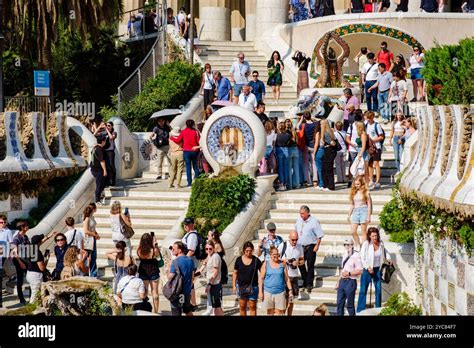
While Spain’s anti-tourism movement is currently making headlines, it is not an isolated case. Similar sentiments have surfaced in Venice, Amsterdam, Barcelona, and even parts of Greece. Cities plagued by cruise ship influxes, short-term rental takeovers, and tourist-focused economies are beginning to push back.
This moment could serve as a turning point for the entire European tourism industry. For too long, quantity has trumped quality, with record visitor numbers used as the benchmark for success. Now, the conversation is shifting toward sustainability, local empowerment, and long-term preservation.
The urgent task ahead is to create a new model of tourism—one that respects the cultural integrity, ecological limits, and economic realities of host communities. Policy changes, traveler education, and corporate responsibility must work in tandem to achieve this balance.
What UK Travellers Should Do Now
For British tourists, the current unrest underscores the need to travel smartly and respectfully. Staying informed about the political climate, regulatory changes, and local sentiment can help avoid unpleasant surprises. Before booking a trip to Spain or its islands, travelers should consider the following:
- Check for official travel advisories and government alerts.
- Monitor social media for real-time updates from fellow travelers.
- Be aware of local regulations, especially those related to behavior, noise, and rentals.
- Consider alternative destinations with stronger hospitality and fewer tensions.
- Support sustainable tourism initiatives and businesses with ethical practices.
While the allure of Spain remains undeniable, the landscape has changed. Travelers who once flocked to these sun-drenched coasts must now navigate a more complex and nuanced environment—one in which their presence may no longer be as welcome as it once was.
A Responsible Path Forward
The situation unfolding across Spain serves as a powerful reminder of the delicate balance between hosting and being hosted. Tourism, when managed thoughtfully, can uplift economies, preserve cultures, and foster connection. But when left unchecked, it risks becoming an exploitative force, driving division and resentment.
As the UK travel industry pivots and holidaymakers seek more meaningful experiences, the hope is for a renewed sense of responsibility on both sides. If handled with care, this could mark the beginning of a more equitable, sustainable, and rewarding era of global travel.