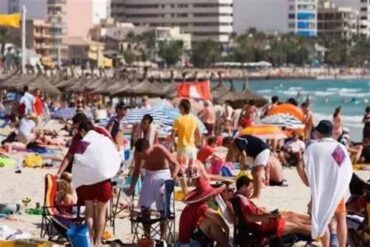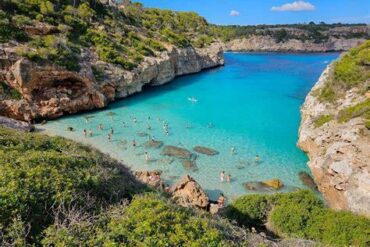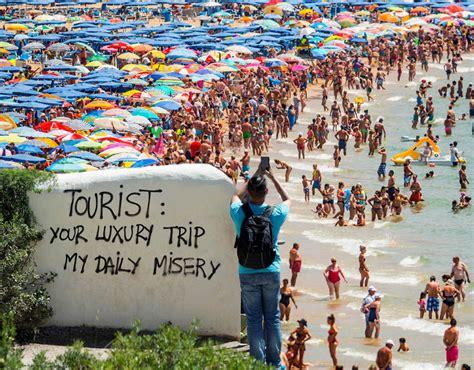
In a bold and unprecedented move that signals the growing discontent within local communities, Majorca, the shimmering jewel of Spain’s Balearic Islands, has begun removing more than 1,500 sun loungers from its most popular beaches. The action, spearheaded by Palma city council, is part of a sweeping campaign to curb overtourism and protect both the island’s natural environment and residents’ quality of life.
This shift comes as anti-tourism protests intensify across Southern Europe, challenging long-standing assumptions about travel and leisure in destinations historically dependent on tourism revenue. But what does this mean for future holidays in Majorca — and how should tourists adapt?
Palma Slashes Sun Lounger Availability to Reclaim Beaches for Locals
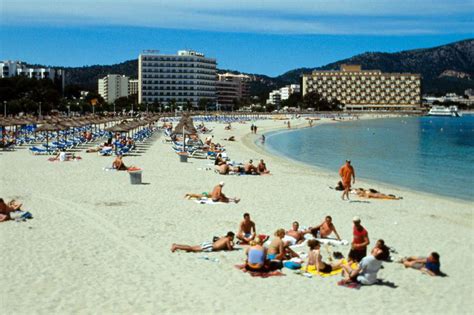
At the heart of Majorca’s new tourism strategy lies an aggressive reduction in sun loungers across Palma’s most popular coastal areas. The removal of approximately 1,644 loungers, which amounts to around 20% of all beach equipment, is not merely symbolic. It reflects a broader intention: to reclaim public spaces for locals, reduce environmental stress, and deter the kind of mass tourism that has contributed to overcrowding and erosion.
One of the most impacted areas is Playa de Palma, a sun-drenched stretch favored by millions of holidaymakers each year. The current figure of 6,000 sunbeds and 2,503 umbrellas will soon shrink to 4,436 sunbeds and 2,218 umbrellas, marking one of the most dramatic changes in beach accessibility the region has seen in decades.
Smaller yet strategic cuts will also affect:
- Cala Major, from 300 to 250 loungers
- Ciutat Jardi, from 300 to 288
- Cala Estancia, from 150 to 132
- Can Pere Antoni, managed by Spain’s coastal authority, from 200 to just 94
This recalibration of beach amenities aligns with the local government’s vision of sustainable, community-first tourism development, one where quality trumps quantity.
Digitizing the Beach: Online Reservations to Regulate Tourist Flow
Not content with simply removing physical infrastructure, the Palma city council is set to introduce a technological solution that adds a layer of management and fairness to beach usage. By 2027, sun loungers and umbrellas will be bookable through a dedicated online reservation platform.
This innovation aims to curb the chaotic and often inequitable system that favors early risers or aggressive space-hoggers. It also serves as a tool for local authorities to monitor capacity, track usage trends, and implement data-driven decisions that prioritize both visitor experience and environmental sustainability.
€300 Million Investment Anchored by Tourism Restrictions
The lounger reduction program is just one element of a far-reaching, decade-long €300 million investment plan championed by Mayor Jaime Martinez. Central to this strategy is a firm stance on development: a total ban on the construction of new tourist hotels in Palma.
Instead, existing accommodations must choose between extensive upgrades or conversion into residential apartments, a measure that seeks to:
- Tackle the housing crisis intensified by the explosion of short-term rentals
- Ease infrastructure burdens brought by millions of transient visitors
- Improve the overall standard of tourism offerings in line with sustainable principles
This policy marks a radical departure from decades of tourism-fueled development and underscores a paradigm shift toward quality over volume.
Protests Across the Mediterranean: Southern Europe Pushes Back
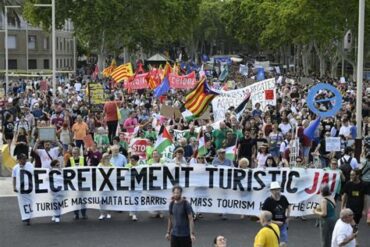
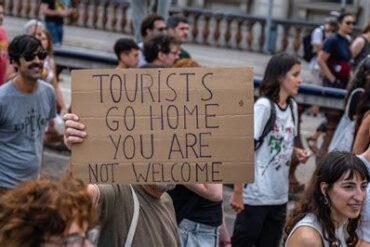
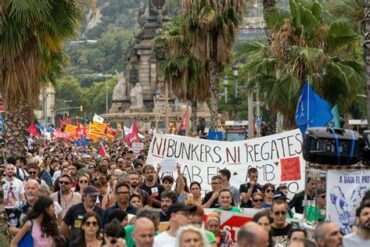
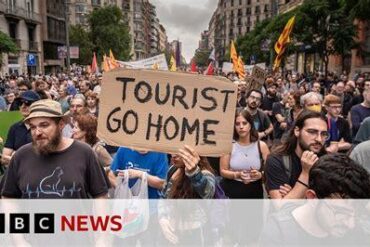
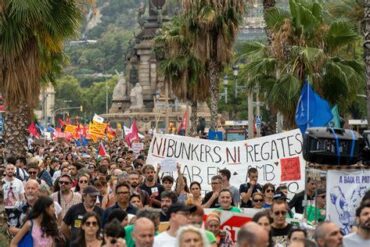
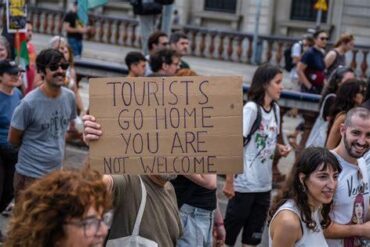
Majorca’s sun lounger initiative did not emerge in a vacuum. It is part of a larger wave of anti-tourism protests spreading across Southern Europe, fueled by frustration over housing unaffordability, displacement, and the perceived erosion of local culture.
Organized by SET (Southern Europe Network Against Touristification), the protests include events in Ibiza, Menorca, Barcelona, Tenerife, Malaga, Venice, and Lisbon. Protesters have adopted creative tactics — including water pistol standoffs and street theatre — to symbolize their resistance and draw media attention.
In Majorca, activists warn that the 2025 tourist season could break all historical records — an alarming projection that adds fuel to an already volatile situation.
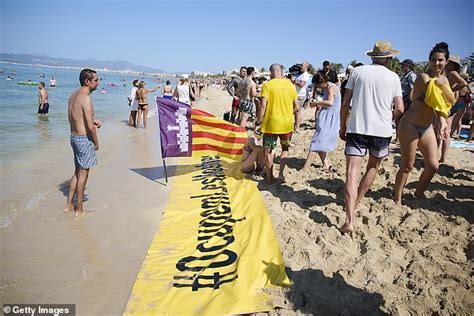
“Don’t Come”: Majorcan Activists Issue Blunt Open Letter
Earlier this year, a coalition of local activist groups in Majorca published an unflinching open letter asking would-be tourists to reconsider their trips. Their message was anything but subtle.
The letter described how mass tourism:
- Pollutes beaches and natural spaces
- Strains water supplies and emergency services
- Pushes long-term residents out of their homes
- Drives up rents and everyday living costs
- Undermines the cultural integrity of the island
This appeal aimed not to alienate tourists, but to invoke empathy, encouraging potential visitors to understand the real human and ecological toll their vacations can inflict when destinations are saturated beyond capacity.
Tourism vs. Environment: Erosion and Fragile Ecosystems at Risk
The coastal environment of Majorca, once a symbol of Mediterranean paradise, is now under siege. Beach overcrowding leads to rampant coastal erosion, threatening not only the aesthetics of the island but also its fragile marine ecosystems.
Local experts point to how foot traffic, sunbed placement, and unregulated beach behavior:
- Degrade sand dunes and plant life
- Disrupt local wildlife patterns
- Contribute to microplastic buildup and pollution
In this context, the reduction of sun loungers emerges not just as a social or political tool, but as a critical ecological intervention, aimed at preserving the island’s long-term viability as a tourist destination.
A Blueprint for Global Tourism Reform?
Palma’s decision may set a powerful global precedent. As cities and islands around the world grapple with the dark side of overtourism, Majorca’s actions showcase how bold policy decisions can prioritize resident well-being without fully dismantling the economic engine of tourism.
Key takeaways from Palma’s model include:
- Limiting infrastructure instead of expanding it endlessly
- Investing in digital tools to manage demand
- Transforming tourism spaces into multi-functional community assets
- Enforcing strict development controls to curb sprawl
Destinations from Amsterdam to Dubrovnik have implemented similar strategies in recent years, but Majorca’s approach — involving infrastructure, technology, activism, and urban planning — could serve as a comprehensive case study in responsible tourism evolution.
Planning Your Trip: What Tourists Need to Know Now
If Majorca is on your travel radar for this year or next, these changes will impact your experience. Reduced sun loungers mean fewer guaranteed spots on crowded beaches, and soon, you’ll need to plan in advance through the online reservation platform.
Moreover, tourists should come prepared to:
- Respect local sentiment and engage with communities mindfully
- Avoid peak travel periods where possible
- Support sustainable tour operators and local businesses
- Participate in environmentally responsible activities
Your visit no longer starts with booking a hotel — it begins with understanding how your presence affects the destination and what you can do to be a respectful guest.
A Tourism Crossroads: Majorca Leads the Way in Balancing Enjoyment and Ethics
The sun lounger cuts in Palma are not just about sunbeds. They’re a symbol of a growing consciousness, a declaration that unchecked tourism comes at too high a cost — environmentally, socially, and economically.
Majorca is now on the front line of a new global tourism conversation, one that demands travelers rethink how they explore the world. By reducing beach clutter, empowering local voices, and enforcing structural reforms, the island has embarked on a journey toward more ethical, balanced tourism.
As the world watches, one truth becomes increasingly clear: the future of travel belongs to those who tread lightly, stay curious, and always consider the footprints they leave behind.