As British holidaymakers prepare for their summer getaways, Spain finds itself at the epicenter of an unprecedented wave of tourism disruption. A significant number of hospitality workers across the Balearic Islands, including popular destinations like Mallorca, Ibiza, and Menorca, are set to strike, with 180,000 workers expected to walk out during July. The strikes arise from ongoing disputes related to pay, working conditions, and the overall treatment of hospitality staff, casting a dark shadow over what is traditionally the peak tourist season.
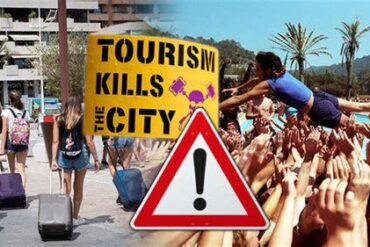
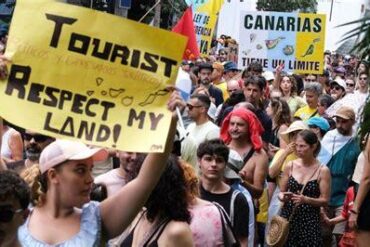
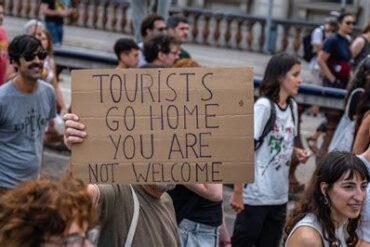
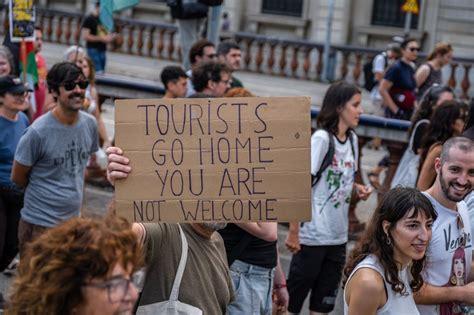
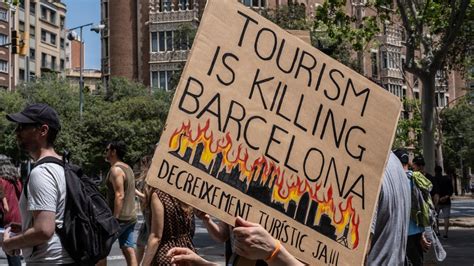
The looming strikes come at a time when tensions in Spain’s tourism sector are already heightened. Local sentiment against mass tourism has been growing steadily, resulting in protests that have drawn thousands of locals into the streets. Many residents are voicing their grievances about the adverse effects of overcrowding, environmental degradation, and the perceived neglect of local communities in favor of tourists. Demonstrators have raised concerns regarding pollution, traffic congestion, and the scarcity of affordable housing, all issues exacerbated by the rapid growth of the tourism industry.
The hospitality unions, leading the charge for better conditions, argue that workers have long been subjected to inadequate wages and harsh working hours. Union representatives are demanding a 16% wage increase over the next three years to keep up with inflation, but employers have only offered a modest 11% raise. This disparity has led to a breakdown in negotiations, with union leaders calling the employer’s offer “crumbs.” As the July strike dates approach, the situation looks increasingly grim for the thousands of British tourists who flock to these islands every summer.
The planned strikes are not isolated to the hospitality sector; they reflect broader frustrations within the community. In recent months, demonstrations against mass tourism have proliferated throughout Spain, from Barcelona to the Canary Islands. Residents are demanding action to curb the unchecked growth of tourism that has led to detrimental impacts on both the environment and local living standards. In May 2025, protests in the Canary Islands saw thousands rallying under slogans such as “The Canary Islands are not for sale, they are loved and defended,” highlighting a growing movement advocating for a more sustainable tourism model.
As the July strikes loom, British tourists must brace for significant disruptions. Popular resorts may face closures or limited services, leaving many travelers scrambling for alternative arrangements. Travel experts are advising those planning trips to Spain to stay informed and consider flexible travel options. Hotels, restaurants, and entertainment venues could be affected, leading to a ripple effect of cancellations and service reductions.
The conflict between workers and employers underscores a much deeper issue within the Spanish tourism framework. The hospitality industry, which is a vital part of the economy, is now facing a reckoning. With the strikes scheduled to begin on July 10, and additional walkouts confirmed on the 18th, 19th, 25th, and 31st, the timing couldn’t be worse for tourists hoping to enjoy a smooth vacation.
In light of these developments, British travelers should take proactive steps to navigate the chaos. Here are some strategies to mitigate the impact of potential disruptions:
- Stay Updated: Regularly check local news and stay in contact with your hotel or travel agent for real-time updates on the strike situation.
- Consider Alternative Destinations: If your plans are flexible, explore other parts of Spain or Europe that are less impacted by the unrest.
- Book Flexible Accommodation: Opt for hotels or lodgings that offer flexible booking policies, allowing for changes if necessary.
- Prepare for Reduced Services: Be ready for the possibility of limited services at various establishments and plan accordingly.
The future of mass tourism in Spain hangs in the balance as protests and strikes reveal the urgent need for reform. While tourism remains a cornerstone of Spain’s economy, growing anti-tourism sentiment indicates that a more sustainable approach is essential. The challenge lies in balancing economic benefits with the needs of local residents, ensuring that tourism serves both visitors and the communities that host them.
In conclusion, as the summer unfolds, British tourists heading to the Balearic Islands must prepare for significant disruptions due to planned strikes by hospitality workers. The combination of closed hotels and reduced services will undoubtedly create chaos in these beloved tourist hotspots. At the same time, the rise of the anti-tourism movement highlights the urgent need for a sustainable tourism model that prioritizes the well-being of both tourists and locals alike. Travelers should remain vigilant, flexible, and ready to adapt as they navigate the complexities of Spain’s evolving tourism landscape.