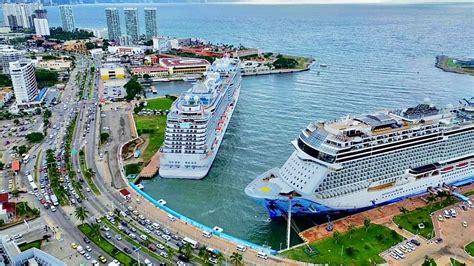
In a move that has left the cruise industry in shock, the Mexican government has introduced a plan to impose a $42 per-person tax on cruise passengers beginning in 2025. This tax has sparked significant concerns among industry leaders, with many arguing that it could make cruising in Mexico 213% more expensive compared to the average cost of ports in the Caribbean. Until now, cruise passengers visiting Mexico were exempt from the country’s standard tourist fee, but this new tax aims to change that.
The new tax, expected to take effect on July 1, 2025, was not met with prior consultation with the cruise industry. As soon as it was announced, it became a point of contention, leading to immediate talks between Mexican government officials and cruise industry leaders. The Florida-Caribbean Cruise Association (FCCA) has been at the forefront of these discussions, aiming to prevent the implementation of the tax or at least modify its impact. The FCCA has stated that the cruise industry was not consulted before the policy’s introduction and that the potential consequences for tourism were not fully considered.
The proposed tax is seen as a major challenge for the Mexican tourism sector, particularly since it could lead to a reduction in the number of cruise ships visiting Mexican ports. This, in turn, could result in millions of dollars in lost revenue for local businesses, including tours, services, and other tourism-related industries that depend on cruise passengers.
Financial Impact: Lost Revenue for Local Communities
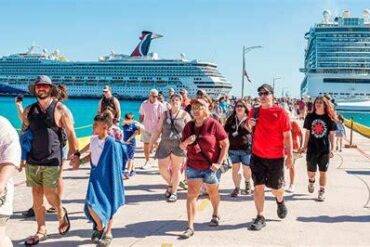
Mexico’s tourism economy, especially in coastal areas, heavily relies on the influx of cruise passengers. With more than 10 million passengers expected to visit Mexico in 2025, the introduction of the new cruise tax could have a devastating impact on tourism in the country. Even a small decrease in cruise traffic could lead to significant losses for local businesses and tourism providers who rely on the spending of international visitors.
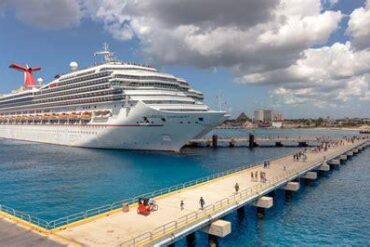
Tourist destinations such as Cabo San Lucas, Cozumel, and Puerto Vallarta, which are popular cruise stops in Mexico, could see a drop in the number of arrivals if cruise lines decide to adjust their itineraries to avoid the newly introduced tax. The loss of these passengers would affect a wide range of industries, including hotels, restaurants, transportation services, and local tour operators, all of which are integral to the Mexican economy in tourist-heavy regions.
A Push for Collaboration: The Cruise Industry’s Efforts to Address the Issue
Despite the concerns raised by the new tax, the cruise industry has been working closely with the Mexican government to find a mutually beneficial solution. Carnival Corp. CEO Josh Weinstein has been actively involved in these discussions, emphasizing the need for collaboration between the cruise industry and Mexico. Weinstein has stated that while it would not be difficult for cruise lines to alter their itineraries to avoid Mexican ports, the focus remains on finding a solution that works for both sides.
During a recent panel discussion at the Seatrade Cruise Global conference, Weinstein expressed optimism that progress is being made in addressing the issue. He acknowledged that the FCCA, along with Mexican officials, has been working diligently to resolve the matter in a way that supports the future of cruise tourism in Mexico. Weinstein believes that a positive resolution is possible, as long as both sides are committed to collaboration.
A Shift Towards Proactive Communication in the Future
Weinstein has also emphasized the importance of proactive collaboration and open communication in the future, particularly when it comes to legislation that impacts the cruise industry. He pointed out that if the process had been more collaborative from the start, many of the issues surrounding the cruise tax could have been avoided. Weinstein believes that future discussions should focus on understanding the needs of both the cruise industry and the destination governments to ensure that policies are created that benefit everyone involved.
The cruise industry, which plays a significant role in the global economy, has learned valuable lessons from this experience. Moving forward, the importance of engaging in early-stage discussions before the introduction of new laws or taxes will be crucial. The industry hopes that future legislation can be crafted in a more cooperative manner, ensuring that the interests of both cruise operators and destination countries are considered.
A Global Perspective: The Impact of the Cruise Tax on Other Destinations
The controversy surrounding Mexico’s cruise tax has broader implications for the global tourism industry. As cruise tourism continues to grow in popularity, more destinations are likely to consider implementing similar taxes to capitalize on the economic benefits of the cruise industry. However, the introduction of such taxes could have unintended consequences, such as the diversion of cruise traffic to other, more affordable destinations.
For instance, Caribbean countries have been offering competitive pricing and favorable policies to attract cruise ships, making the region a popular alternative to Mexico. If other countries in the region follow suit and impose similar taxes, cruise lines may be forced to adjust their routes and itineraries to maintain profitability. This could result in a shift in cruise tourism patterns, affecting the local economies of the countries that rely on cruise traffic for revenue.
The Future of Cruise Tourism in Mexico
As the situation evolves, Mexico’s tourism industry will need to find a way to balance the need for additional revenue with the goal of maintaining a thriving and competitive cruise sector. While the new tax could provide a much-needed financial boost to the government, it is essential that the broader economic impact on local businesses and communities is carefully considered. It is likely that Mexico will need to refine its approach to taxing the cruise industry, ensuring that the policies implemented are fair and effective without stifling the growth of tourism.
The success of the “half-half” program will depend on the ability of the government to collaborate with the cruise industry and other stakeholders to create a balanced and sustainable tourism environment.
Conclusion: The Path Forward for Mexico and the Cruise Industry
The introduction of a cruise tax in Mexico has raised concerns about the future of cruise tourism in the country. While the new tax has sparked frustration within the industry, the ongoing dialogue between Mexican officials and the cruise sector presents an opportunity for both sides to collaborate and find a solution that benefits everyone. The success of this process will depend on the willingness of both parties to work together and prioritize the long-term growth and sustainability of Mexico’s tourism sector.
As the global tourism landscape continues to evolve, it will be important for countries like Mexico to ensure that their tourism policies are adaptable and aligned with emerging trends. By maintaining open lines of communication and considering the needs of both the local tourism industry and international travelers, Mexico can continue to be a top destination for cruise tourism, while also implementing fair and sustainable policies that support its broader economic goals.