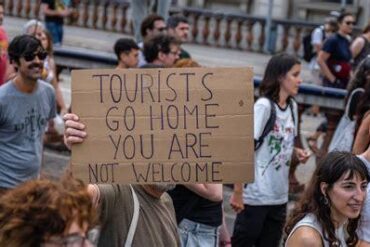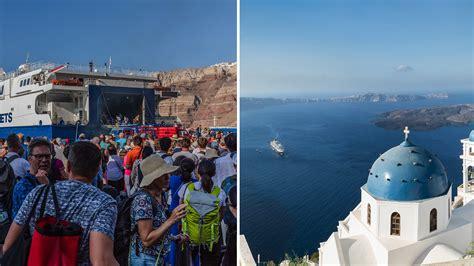
As the Mediterranean heats up for another record-breaking summer of tourism, Greece is set to introduce a new cruise tourist tax starting July 1, 2025, joining a growing list of global destinations taking bold steps to combat overtourism. The initiative targets the cruise industry specifically, which has long been under fire for overwhelming small port towns with thousands of short-stay visitors each day—particularly on islands like Santorini and Mykonos, where infrastructure is stretched to its limit.
The new levy, part of Law 5162/2024, reflects the government’s strategic pivot toward sustainable marine tourism. Unlike abrupt travel restrictions or caps, Greece’s approach emphasizes regulation through economic contribution. The funds raised from this cruise tax will directly support port upgrades, environmental conservation, and critical services in tourist-heavy regions.
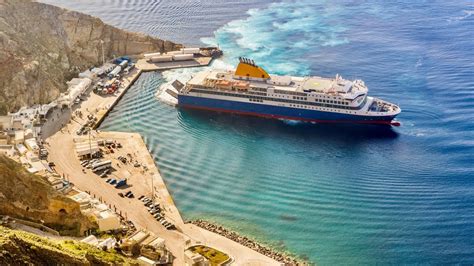
Greece’s Legislative Crackdown on Overtourism in Cruise Hubs
The tax, effective from July 1, is the result of months of coordinated planning between Greece’s Ministry of Shipping and Insular Policy and the Ministry of Tourism, spearheaded by Minister Vassilis Kikilias and Minister Olga Kefalogianni. The law empowers the state to charge different rates depending on the port’s traffic volume and location, with top-tier ports like Piraeus, Mykonos, and Santorini expected to implement the highest fees.
This fee is not a flat rate but will vary according to cruise size and passenger flow, ensuring a scalable model that takes into account the actual burden placed on each local ecosystem. Greece, with its vast network of islands—many of which are UNESCO World Heritage sites or ecologically sensitive areas—is particularly vulnerable to the abrupt influxes that characterize cruise stopovers.
Officials have stressed that the tax is not a deterrent but a corrective tool to ensure that cruise passengers contribute fairly to the destinations they impact. According to Minister Kefalogianni, “The goal is not to reduce arrivals, but to redistribute tourism’s benefits and relieve some of our most strained communities.”
Strategic Collaboration With Cruise Lines International Association
In a rare show of alignment between industry and regulators, the Cruise Lines International Association (CLIA) has welcomed the move with cautious optimism. During a summit in Athens earlier this year, CLIA Executive Chairman Bud Darr met with Greek ministers to discuss the practicalities of rolling out this new tax.
Together, they formed a Cruise Tax Management Task Force, which will be responsible for:
- Developing passenger tracking protocols at disembarkation points.
- Creating a centralized tax collection platform to streamline payments.
- Ensuring cruise operators are properly informed and compliant ahead of arrivals.
Beyond operational logistics, the task force is already examining longer-term measures such as visitor number caps, seasonal scheduling adjustments, and incentives for using smaller, lower-emission vessels. This proactive governance model signals a potential paradigm shift in how mass tourism is handled—not just in Greece, but globally.
A Broader Shift Across Europe and the Caribbean
Greece is not acting in isolation. A wave of countries are now turning to cruise-specific tourist taxes to manage the economic and environmental toll of modern tourism. Among the most notable examples:
- The Bahamas: Charges around $30 per cruise visitor, including an environmental tax and infrastructure fee.
- Mexico: Starting July 2025, will introduce a tiered cruise fee beginning at $5, escalating to $21 by 2028.
- Jamaica: Continues its $2 per passenger fee, used for local projects and port maintenance.
- Italy & Spain: Major cities such as Venice and Barcelona enforce cruise levies to curb congestion and pollution.
- The Netherlands: Applies cruise taxes even when ships are moored and passengers remain onboard.
- Scotland: Actively developing per-passenger fees for vulnerable rural ports like those in the Highlands and Orkney.
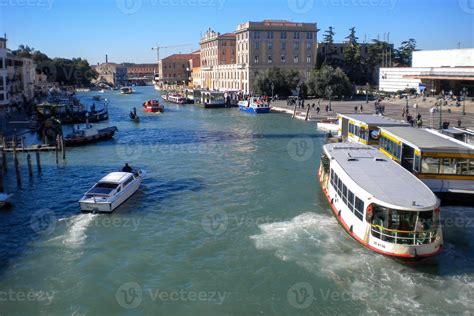
This global trend reflects a wider reckoning with the costs of unsustainable tourism models. While cruise lines generate billions in revenue, destination communities often see only a fraction of those profits—usually burdened with inflated prices, infrastructure wear, and cultural dilution. Greece’s move reinforces the idea that tourism must evolve into a more equitable exchange.
Santorini and Mykonos: From Postcard-Perfect to Port Pressure
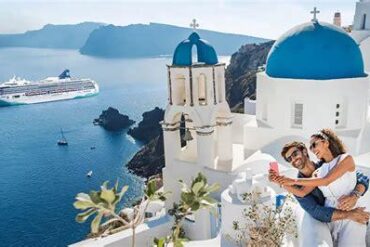
Few places encapsulate the strain of cruise tourism more than Santorini and Mykonos. These picturesque islands have become symbols of both Greek charm and the perils of popularity. On peak days, Santorini—home to just over 15,000 permanent residents—can receive up to 17,000 cruise passengers, overwhelming its narrow roads, fragile cliffsides, and limited waste disposal infrastructure.
Local officials have long pleaded for relief, citing everything from deteriorating public services to the loss of residential housing as properties are converted into short-term rentals. Mykonos, with its luxury reputation, has similarly buckled under the weight of unchecked influxes. Both islands are at risk of “Disneyfication”, where authentic local life is eroded in favor of tourist staging.
The new cruise tax is intended to redistribute tourism impact by incentivizing longer stays, spreading interest to lesser-known islands like Naxos, Ikaria, and Hydra, and offering revenue to reinvest in areas struggling to maintain livability.

Launch of the Marine Tourism Observatory
In a move that underscores its data-driven approach, the Greek government has also launched the Observatory for Coastal and Marine Tourism in the Eastern Mediterranean, in collaboration with the UN World Tourism Organization. This platform will collect and analyze real-time data on:
- Environmental degradation due to cruise emissions and anchoring.
- Economic ripple effects in port towns.
- Social strain indicators, including housing pressure and resident satisfaction.
Findings will be used to continuously refine Greece’s tourism policies, moving from reactive responses to predictive, resilient tourism planning. The goal is not merely sustainability in name, but measurable, trackable outcomes that secure the future of coastal communities and the ecosystems they depend on.
Cruise Industry at a Crossroads
For the cruise industry, Greece’s tax is a sign of changing tides. Once courted with subsidies and minimal oversight, cruise operators now face mounting regulatory frameworks from ports worldwide. But far from being adversarial, the relationship between Greece and the industry shows signs of a mature, mutually beneficial model emerging.
Rather than issuing bans or setting arbitrary quotas, Greece’s leadership has signaled a willingness to collaborate on a smarter cruise future. By encouraging ships to visit alternative routes, extending seasons into shoulder months, and rewarding eco-conscious operations, the country is redefining the role of cruise tourism in a post-pandemic world.
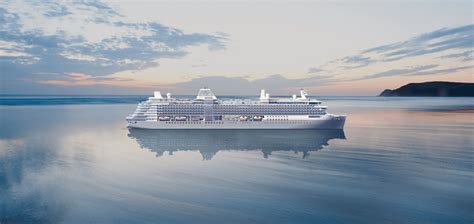
What Cruise Passengers Should Know Before Arriving
For travelers planning Mediterranean cruises this summer, the new Greek tourist tax will automatically be included in cruise packages or billed by their operator. While the amount may appear modest, it marks a critical step in ensuring that tourism’s burdens are no longer borne solely by locals.
Passengers visiting after July 1 should be aware:
- The exact fee will vary based on the ship size and port of entry.
- Receipts or disclosures should be provided by the cruise operator.
- The fee is non-negotiable and government-mandated, not a service charge.
Importantly, Greece hopes travelers will recognize the fee not as a penalty, but as an investment in the sustainability of their destination. As Minister Kefalogianni put it, “We’re asking visitors to be partners in preservation, not just consumers of beauty.”
The Road Ahead for Cruise Tourism
With Greece stepping forward as a leader in cruise regulation, the pressure is now on other nations—especially those with fragile coastal ecosystems—to follow suit. If managed well, this model could serve as a blueprint: welcoming tourists, but demanding they pay their fair share.
For too long, cruise tourism has operated in a vacuum—disconnected from the long-term health of the communities it claims to celebrate. Greece’s new policy acknowledges that love for a place must be matched by respect, responsibility, and reinvestment.
And in this equation, a tax is not a burden. It’s a down payment on a more balanced future.