In recent months, the concept of a “tourist tax” in Scotland has sparked significant debate, particularly in the Western Isles and South Ayrshire. These regions, heavily reliant on tourism for economic sustenance, have considered implementing visitor levies to boost local revenue. However, recent public backlash and detailed economic analyses have caused local authorities to pause these plans, reflecting a growing sensitivity towards the impacts of such taxes on both visitors and local businesses.
The Tourist Tax Proposal for Western Isles
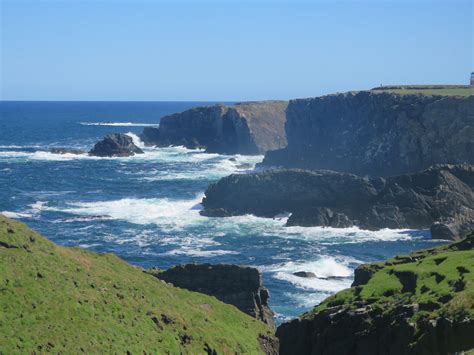
The Comhairle nan Eilean Siar, which governs the Western Isles, had been actively exploring the introduction of a tourist tax aimed at overnight visitors. This initiative was part of a broader pilot scheme across Scotland, granting local councils the authority to levy charges on tourists using local accommodations. The intention behind this levy was straightforward: to generate additional funding for local infrastructure, services, and tourism-related initiatives.
A report presented to the Comhairle nan Eilean Siar councillors examined the potential benefits of this tax amidst an increasing flow of visitors to the region. The tourism sector has long been a cornerstone of Scotland’s economy, and many local authorities see this levy as a means to capture some of the financial wealth generated by tourism. However, a comprehensive cost-benefit analysis revealed that the economic advantages of implementing the levy might be marginal at best.
The findings indicated that while the number of tourists visiting the Western Isles has risen—recording 389,000 visitors in 2023, which represents an impressive 21.8% increase from 2022—the introduction of a visitor tax could pose risks to the fragile tourism economy that the region heavily relies upon. Tourists flock to the islands primarily for their natural beauty, outdoor experiences, and rich cultural heritage. Imposing additional costs might deter potential visitors or shorten their stays.
The accommodation landscape in the Western Isles is characterized by small-scale providers, particularly self-catering businesses, which constitute a significant portion of the market. In 2023, there were 1,246 self-catering businesses providing approximately 7,900 beds. Many of these establishments are family-run or small enterprises with limited capacity to absorb additional costs, making them particularly vulnerable to any new levies.
Given the insights from the cost-benefit analysis and concerns regarding the potential adverse effects on the tourism sector, officials decided to pause the introduction of the tax for the Western Isles. This delay also opens up avenues for further discussions regarding alternative solutions, such as a “point-of-entry” levy. This approach would entail charging fees at ports and airports as visitors enter the region, allowing the council to generate revenue without imposing a direct burden on local accommodation providers.
Additionally, the Comhairle nan Eilean Siar noted that other island councils in Scotland, including Orkney and Shetland, have similarly opted to postpone or reconsider their tourist tax plans. This trend reflects a cautious approach among smaller and remote regions that are weighing the broader economic implications before proceeding with such initiatives.
South Ayrshire’s Reversal on Tourist Tax
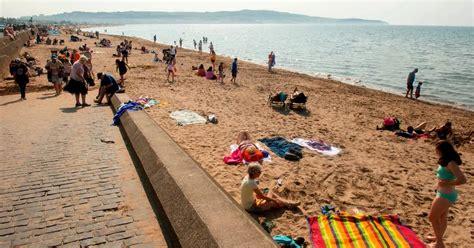
In a parallel development, South Ayrshire Council has also taken a step back regarding its proposed tourist tax. Initially, the council had considered implementing a levy on overnight stays as a strategy to bolster local finances, especially in light of the economic challenges posed by the COVID-19 pandemic and rising public service costs. However, the results of a public consultation revealed overwhelming opposition, with 79% of respondents voicing their disapproval of the proposed tax. Only 15% supported the idea, indicating a significant divide between local authorities and community sentiment.
The strong public backlash is understandable, given widespread fears that such a levy could deter tourists from visiting the region or impose an additional financial burden on local tourism providers. In a climate already marked by rising travel costs and economic uncertainty, the potential impact of the tax loomed large in the minds of residents and business owners alike.
Consequently, the South Ayrshire Council decided to abandon its tourist tax plans, recognizing the critical role that tourism plays in the regional economy. The decision highlights the importance of maintaining the region’s appeal as a tourist destination while balancing the needs of local businesses that depend on a thriving tourism sector.
The tourism industry in South Ayrshire has shown signs of recovery from the pandemic’s impacts, and with Scotland emerging as a popular destination for both international and domestic travelers, the council acknowledges the necessity of keeping the region competitive with other tourist-friendly areas. Introducing a tourist tax, especially in light of strong public opposition, could jeopardize these recovery efforts and negatively impact the local economy.
Tourism Growth and Concerns Across Scotland
Scotland’s tourism landscape has evolved dramatically in recent years, with a noticeable rise in medical tourism, wellness tourism, and adventure tourism contributing to the nation’s allure as a global travel destination. Regions like the Western Isles, South Ayrshire, and various parts of the Highlands and Islands have experienced increased visitor numbers, driven by their stunning natural landscapes, rich cultural heritage, and diverse outdoor activities.
This surge in tourism has positively impacted local businesses, particularly those involved in accommodation, dining, and attractions. However, the proposed tourist taxes have ignited a larger conversation across Scotland about balancing the economic benefits of tourism with the potential downsides for local communities. While some advocates argue that visitor levies are essential for funding public services and enhancing local infrastructure, critics worry that such measures could alienate tourists or price out specific demographics.
The economic ramifications of these taxes on local businesses, especially small accommodation providers, are crucial considerations for both local authorities and residents. The ongoing discussions in South Ayrshire and the Western Isles reflect broader trends throughout Scotland and Europe, where local governments grapple with sustainable approaches to managing the pressures of overtourism while still benefiting from the influx of international visitors.
As more local authorities in Europe experiment with tourist taxes and visitor levies, the long-term effects on economies and communities remain vital questions for policymakers to address.
Future of Tourist Taxes in Scotland
The recent pause on introducing tourist taxes in South Ayrshire and the Western Isles represents a pivotal moment for policymakers to reconsider their strategies for managing tourism in light of increasing visitor numbers. While tourism taxes can serve as valuable revenue sources for local authorities, especially in areas requiring ongoing infrastructure enhancements, the public response and economic analysis indicate that a more nuanced, tailored approach is needed.
The proposal of a “point-of-entry” levy may offer a more focused solution that captures revenue from tourists while minimizing the direct impact on local businesses. Such a scheme could potentially be more palatable for residents and stakeholders if executed in a manner that avoids burdening small-scale accommodation providers or local services.
For the Western Isles, the Comhairle nan Eilean Siar‘s decision to delay the tourist tax allows time for further consultations, and revisiting the potential introduction of the point-of-entry levy remains a possibility for the future. Ultimately, the trajectory of tourism taxes in Scotland will hinge on how local communities, businesses, and visitors respond to these measures, alongside ongoing evaluations of the economic pros and cons of such levies.
Conclusion: A Thoughtful Approach to Tourism and Revenue Generation
The discourse surrounding tourist taxes in Scotland, particularly in South Ayrshire and the Western Isles, underscores the delicate balance local authorities must achieve between reaping the economic benefits of tourism and ensuring that the associated costs do not outweigh the advantages. While introducing a tourist levy can provide essential funding for local services and infrastructure, careful implementation is crucial, considering the needs of local businesses and the potential repercussions on visitor numbers.
The pauses observed in both regions reflect a thoughtful approach, demonstrating a willingness to heed public opinion and reassess strategies in light of overwhelming opposition. Moving forward, it will be imperative for local governments to engage continually with stakeholders and evaluate the broader economic and social implications of any tourist tax initiatives, ensuring that tourism remains a sustainable and prosperous industry for all parties involved.