Spain is facing a tourism reckoning in the Canary Islands, as explosive growth in visitor numbers begins to outstrip the region’s ability to cope. From strained public services to growing unrest among local residents, the popular island chain is now at a crossroads. The Spanish government, alongside regional leaders in the Canaries, is seriously considering the introduction of a controversial tourist tax as a mechanism to restore balance and ensure long-term sustainability.
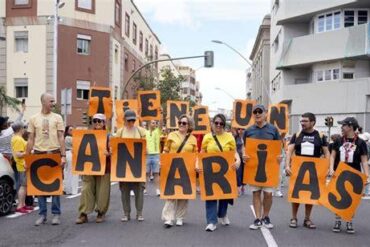
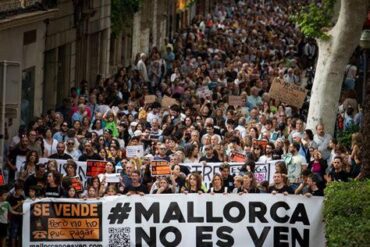
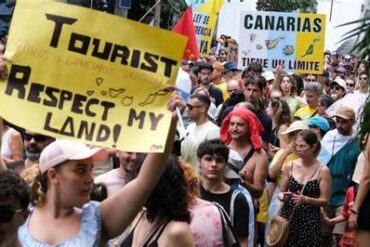
The Canary Islands, long celebrated for their year-round sunshine, pristine beaches, and volcanic landscapes, have become victims of their own popularity. Over 13 million tourists arrived in 2024 alone, far outnumbering the local population and placing enormous pressure on the islands’ infrastructure. This unchecked growth has sparked a wave of protests, particularly in hotspots like Tenerife and Gran Canaria, where residents have taken to the streets demanding government action against mass tourism.
Mounting Strains on Infrastructure and Daily Life
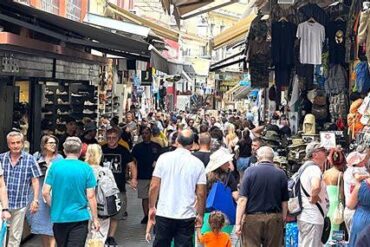
Residents have grown increasingly vocal about the consequences of tourism saturation. From skyrocketing housing costs driven by vacation rentals to overwhelmed healthcare services and traffic congestion, the toll on daily life is undeniable. Public frustration is amplified by the perception that while tourism enriches hotel chains and tour operators, locals are left dealing with the fallout.
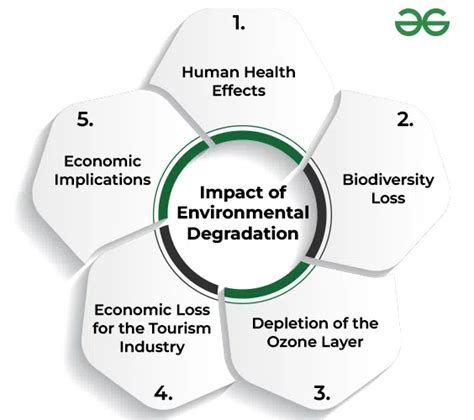
According to several surveys conducted throughout the islands, more than 60% of residents now support some form of regulatory intervention. Many say their towns have become “theme parks” for foreigners, lacking affordable housing and suffering from environmental degradation.
Political Will Shifts Toward Regulation
In response to the rising civil discontent, a senior Canary Islands minister recently expressed a willingness to explore a tourist tax. Though no formal legislation has been introduced, the political dialogue has shifted decisively. The regional government, traditionally wary of imposing additional burdens on the tourism sector, is now openly discussing how such a tax might alleviate infrastructure stress and improve quality of life for residents.
The proposed tax would likely be a per-night charge levied on visitors staying in registered accommodations, similar to existing models in cities like Barcelona, Venice, and Palma de Mallorca. Revenues would be earmarked for infrastructure upgrades, environmental restoration, and social programs, particularly in areas most impacted by tourism.
Economic Imperatives vs. Social Sustainability
Tourism accounts for nearly 35% of the Canary Islands’ GDP and employs over a third of the workforce. Any policy that could potentially disrupt this economic engine is met with both caution and fierce debate. Local business leaders warn that an additional tax might discourage budget travelers, especially during the off-peak seasons when occupancy rates already decline.
Still, advocates of the tax point out that other destinations have implemented similar measures without suffering noticeable declines in visitor numbers. In fact, Venice’s new entry fee is projected to raise millions annually while improving crowd management. Supporters in the Canaries argue that travelers willing to fly across continents for a vacation are unlikely to be deterred by a small surcharge — especially if it’s transparently reinvested into the community.
The Unequal Distribution of Tourism Wealth
A key argument from tax proponents is that tourism revenue is unevenly distributed. Large hotels, cruise operators, and multinational travel companies often capture the lion’s share of profits, while local communities bear the brunt of negative externalities. A well-managed tourist tax could help redistribute earnings, funding initiatives such as:
- Affordable housing for locals pushed out by rising rents
- Public transport improvements to reduce congestion
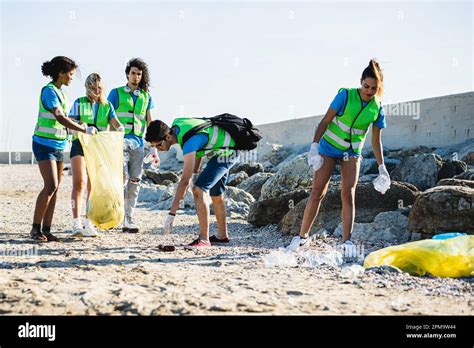
- Environmental preservation in national parks and marine reserves
Resistance and Concerns from Industry Stakeholders
The hospitality and travel sectors remain divided over the proposal. While some hoteliers see the tax as a necessary adjustment, others warn it could create a “red tape nightmare.” Tour operators fear they will need to revise booking systems and communicate new charges to clients, potentially risking confusion and cancellations.
Travel agencies, especially those catering to price-sensitive European tourists, argue that Spain’s competitive edge lies in offering high-value, affordable holidays. They contend that a tourist tax — even modest — might prompt travelers to choose cheaper, unregulated destinations outside the Eurozone.
Echoes of a Global Tourism Reckoning
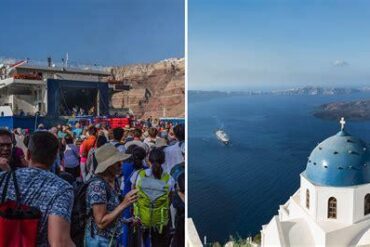
The Canary Islands’ debate is emblematic of a wider shift in global tourism policy. From Amsterdam to Dubrovnik, cities are grappling with the consequences of overtourism — and increasingly, they are turning to fiscal tools to address them. Taxes, visitor caps, timed entries, and moratoriums on new hotels are part of a growing arsenal to protect local life from being steamrolled by economic interests.
In this context, the Canary Islands’ pivot toward a tourist tax is not radical, but rather a late adaptation to a new tourism reality. A model emphasizing regulation, redistribution, and regeneration is rapidly replacing the laissez-faire growth strategies of the past two decades.

Public Sentiment Fuels the Push for Change
Protests have become a catalyst for political action, with citizen groups, environmental activists, and even some municipal governments voicing support for change. Movements like “Canarias Se Agota” (Canary Islands Are Exhausted) have gained traction on social media, amplifying local voices globally.
Some protesters are calling for measures beyond taxation, including:
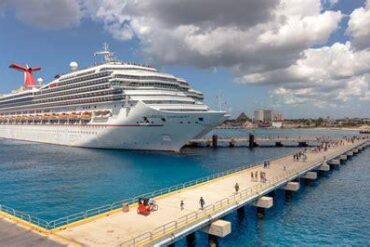
- Limits on cruise ship arrivals
- Strict caps on vacation rentals via platforms like Airbnb
- Environmental permits for tour operators
While such measures are more aggressive than a tourist tax, they reflect the depth of local frustration. For many residents, a tax is merely a starting point in a broader conversation about reclaiming their islands from unchecked commercialization.
Cautious Optimism and Next Steps
For now, the tourist tax remains under active discussion, with no fixed timeline for implementation. The regional government has indicated that extensive stakeholder consultations will precede any formal legislative action. This includes hearings with business groups, municipal leaders, and community organizations to ensure a balanced approach.
If enacted, the tax could serve as a template for other Spanish destinations, particularly those similarly burdened by seasonal influxes. The next few months will be critical as Spain navigates competing priorities: preserving its economic lifeblood while responding to an increasingly urgent social and ecological imperative.
A Defining Test for Spain’s Tourism Future
As the world watches, the Canary Islands are emerging as a testing ground for modern tourism governance. The potential tourist tax represents not just a fiscal mechanism, but a philosophical shift: one where the needs of residents and ecosystems are finally placed on par with those of tourists and travel companies.
In an era defined by climate change, global mobility, and digital nomadism, Spain’s response to the Canary Islands crisis will resonate far beyond its borders. Whether through taxation, regulation, or reinvention, the islands must chart a new path — one that honors both their global appeal and the rights of those who call them home.