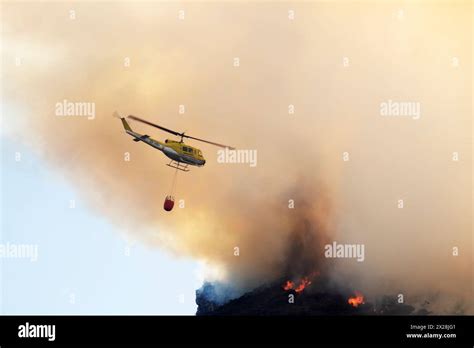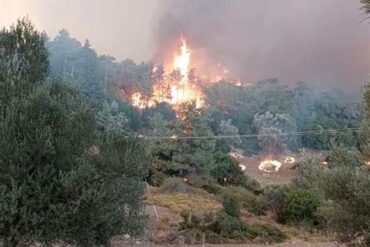
Spain’s Canary Islands are currently grappling with a serious environmental crisis, with Gran Canaria at the epicenter of an urgent dual-threat warning. The General Directorate of Emergencies has activated emergency protocols due to two critical hazards: an impending intense heatwave and an elevated risk of wildfires. Both events, compounded by severe weather forecasts from the State Meteorological Agency (AEMET), are expected to unfold rapidly over the weekend.
The latest projections signal a dangerous surge in temperatures across the archipelago, particularly in areas situated above 400 meters in altitude. In Gran Canaria, the temperature is expected to soar up to 37°C, presenting serious threats to health, safety, and the island’s delicate ecosystem. This forecast, which originates from specialized meteorological data and emergency planning authorities, has already triggered the enforcement of the INFOCA and PEFMA plans, designed specifically for wildfire and adverse weather mitigation, respectively.
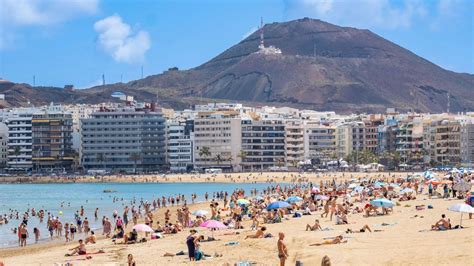
Heightened Risk on Gran Canaria: Where Danger Lurks
The INFOCA plan—Spain’s Special Civil Protection and Emergency Response Plan for Wildfires—has been set into motion, specifically targeting high-altitude areas of Gran Canaria. These regions are particularly vulnerable due to prolonged dry conditions that, when combined with searing temperatures, create the perfect storm for wildfires to ignite and spread rapidly. According to emergency directives, any terrain above 400 meters is now classified as a high-risk zone, especially the summit regions and the eastern, southern, and western slopes of the island.
Simultaneously, the PEFMA protocol, which governs the response to extreme weather patterns, is also active. It signals a broader risk that goes beyond forested areas, threatening urban, coastal, and recreational zones across the island. Authorities warn that the heatwave will impact all outdoor spaces, making prolonged exposure hazardous to both tourists and residents.
Warnings Expand to Other Islands, But Gran Canaria Remains the Epicenter
While Gran Canaria faces the most acute threat, the alert system has expanded across the Canary Islands. A pre-alert has been declared for all remaining islands in the archipelago, though La Palma and northern Tenerife areas below 700 meters remain temporarily excluded due to less immediate weather concerns. Nevertheless, authorities stress that this does not imply safety; these regions are still under surveillance and could be upgraded to full alert if conditions deteriorate.
The fluid nature of these weather patterns demands constant monitoring. Emergency services are working around the clock to interpret satellite data, track temperature anomalies, and deploy response units where needed. The urgency is compounded by the fact that wildfires and heat-related health emergencies can develop with little to no warning under such extreme conditions.
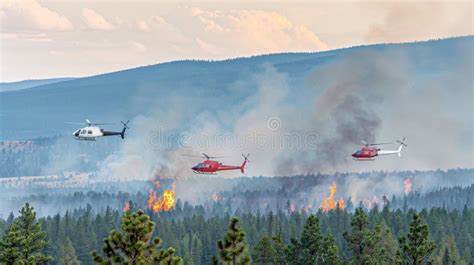
Four Critical Actions Tourists Must Take Immediately
With visitor safety hanging in the balance, the government has laid out four essential actions for all tourists currently in or heading to the Canary Islands:
1. Avoid Outdoor Activities During Peak Heat
Authorities strongly advise against any outdoor activity between 11 a.m. and 6 p.m., when solar radiation is at its most intense. This includes hiking, beach outings, sightseeing tours, and especially ventures into natural parks or mountainous regions. Many of these areas are under close surveillance due to their proximity to fire-prone zones.
2. Strictly Prohibit Ignition Sources
Visitors are reminded that barbecues, bonfires, and agricultural burning are not just discouraged—they are banned in designated high-risk areas. Even small sparks from a motorbike or portable stove can trigger devastating wildfires under these volatile conditions. Tourists should avoid using any mechanical tools that might generate heat or friction, particularly in dry, vegetated zones.
3. Stay Informed Through Official Channels
Tourists should monitor updates from AEMET, local municipalities, and emergency broadcast systems. Many hotels and resorts are already participating in real-time alert dissemination, but tourists are encouraged to download official apps and follow emergency service social media accounts to receive immediate warnings.
4. Hydration and Heat Safety
Even seemingly short exposure to 37°C heat can result in dehydration, sunstroke, or severe heat exhaustion. Authorities urge tourists to wear light, breathable clothing, stay in shaded or air-conditioned environments, and consume fluids regularly. Those with existing health conditions should take extra precautions and consult local health services if symptoms arise.

Civil Protection on High Alert: Inside the Emergency Response
As the weekend unfolds, emergency services across Gran Canaria have entered a heightened operational state. Fire brigades are on standby across multiple altitudes, ready to respond to even the smallest ignition points. Patrols have been intensified in forested national parks and tourist hiking trails, many of which are now partially closed or restricted.
Municipalities have also activated temporary cooling shelters, often found in community centers and public buildings equipped with air-conditioning. These shelters are particularly crucial for vulnerable demographics, including elderly travelers and families with small children. Tourists who feel unwell due to the heat are encouraged to seek these shelters before their condition worsens.
Meanwhile, public transport systems have been adjusted to provide quicker access to cooler parts of the islands and reduce the use of private vehicles, which can become heat traps during mid-day hours. Emergency medical personnel are being redistributed toward tourist zones, where the risk of heatstroke incidents is higher.
Why This Heatwave Is Different—and More Dangerous
While the Canary Islands are no strangers to hot weather, experts warn that this heatwave is particularly unpredictable and intense. Climate specialists have noted a shift in regional weather dynamics, suggesting that 2025 could become one of the hottest years on record for Spain. These unusually high temperatures are not only arriving earlier in the season but persisting longer and striking harder.
AEMET meteorologists emphasize that combustibility levels in forest zones are significantly elevated due to below-average rainfall over the past several months. This means fires, once ignited, will spread more rapidly and become harder to contain. The potential for multi-day blazes is real, and once such a fire breaks out, it could compromise evacuation routes and overwhelm emergency services.

Tourism Industry on Alert: Adapting to a Climate of Risk
For the bustling tourism sector in the Canary Islands, this warning comes at a critical time. The summer season had just begun, and hotel occupancy rates were climbing. Now, operators are forced to rethink excursion schedules, cancel outdoor events, and update safety briefings for guests. Tour guides and travel agencies are being trained on the latest emergency protocols to ensure that they can respond swiftly if conditions worsen.
Local businesses, especially those located near mountainous or forested areas, are reinforcing their buildings and clearing flammable vegetation from their perimeters. Restaurants and vendors are advised to reduce cooking with open flames, while recreational companies are being audited for compliance with fire prevention regulations.
What Happens Next: A Region on the Brink
As of now, Gran Canaria remains the focal point of the crisis, but that could change within days. If wind conditions shift or temperatures spike further, additional islands could be upgraded from pre-alert to full emergency status. The authorities are watching several hotspots closely, including parts of Fuerteventura, Lanzarote, and southern Tenerife.
Tourists planning travel to the region over the next week are urged to consult with their travel providers and consider postponing or rerouting their itineraries if they involve affected zones. Flights are currently operating as scheduled, but delays could occur if visibility or emergency response operations intensify.
The Canary Islands’ beauty has long made it one of Europe’s most coveted vacation destinations. But this weekend, that paradise is under pressure. The combination of unrelenting heat and volatile fire conditions demands absolute vigilance, cooperation with local authorities, and strict adherence to public safety guidelines. Anything less could have consequences far beyond inconvenience.