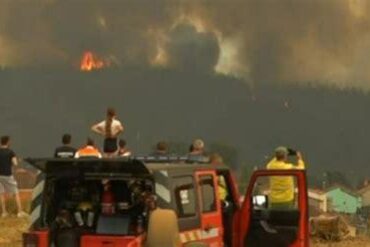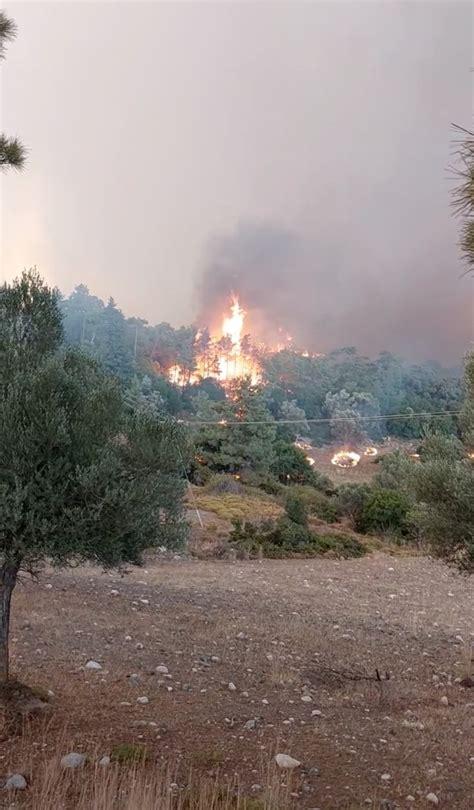
In the summer of 2025, Greece is grappling with one of the most severe wildfire seasons in recent memory, driven by an unrelenting heatwave that has pushed temperatures to staggering levels. As wildfires rage across the country, authorities have urgently called for assistance from the European Union (EU) to combat the blazes, which have been exacerbated by dry conditions and powerful winds. With temperatures soaring beyond 45°C (113°F), these extreme conditions have led to widespread evacuations, significant property damage, and tragic loss of life, marking a critical moment for both locals and tourists.
The wildfires have particularly affected regions such as the Peloponnese, Evia, and Kythera, where flames threaten residential areas, historical sites, and local businesses. The Greek government, alongside emergency services, is exerting every effort to control the infernos, yet the scale of the crisis has compelled authorities to request EU support to manage the situation effectively.
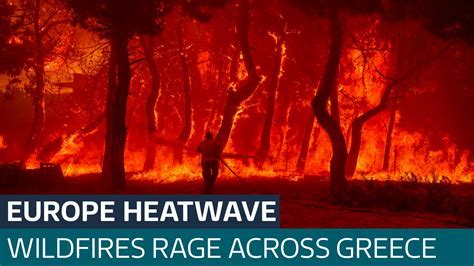
Wildfires Across Greece: Evacuations and Record-High Temperatures
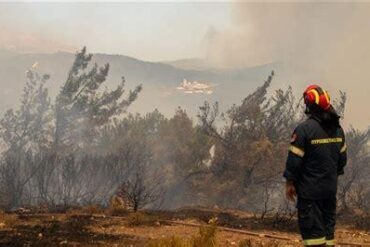
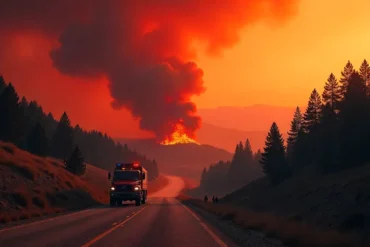
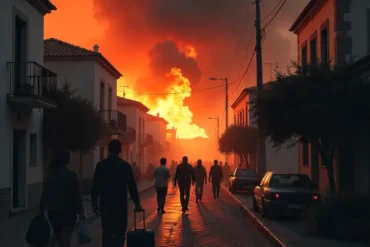
The heatwave gripping Greece commenced earlier in the week, with the Messinia region in the Peloponnese reporting an alarming 45.8°C (114.5°F). This unprecedented heat has created ideal conditions for wildfires to spread rapidly, particularly in areas like Drosopigi, near Athens, where firefighters are tirelessly working to save homes and prevent further destruction. On July 27, the fires prompted a swift response, leading to evacuation orders in several regions. The islands of Evia and Kythera witnessed uncontrollable fires, with strong winds exacerbating the spread of flames. In Evia, two fire engines were destroyed, and two firefighters sustained injuries, while in Kythera, the wildfires erupted in agricultural and forested regions, necessitating evacuations for both residents and tourists.
As the fires continue to blaze, the risk of additional outbreaks remains high, compelling authorities to issue a Category 5 alert, the highest level on the national scale. This alert reflects the combination of extreme heat, gusty winds, and dry conditions that complicate fire management efforts.
Evacuations and Ongoing Emergency Response
Firefighters and emergency crews are confronting the blazes with a robust array of resources, including aircraft and helicopters utilized to drop water and retardants on the most severely affected areas. Approximately 100 firefighters have been deployed near Drosopigi, with aerial support from helicopters and planes. Despite facing significant challenges, Greece’s emergency services have garnered praise for their bravery and determination in combating the wildfires. Authorities are urging both residents and tourists to adhere promptly to evacuation orders and stay informed through official government channels.
The ongoing heatwave is anticipated to persist through the weekend, further complicating firefighting endeavors. As the situation evolves, it is crucial for tourists to remain vigilant and informed about the latest developments regarding wildfires.
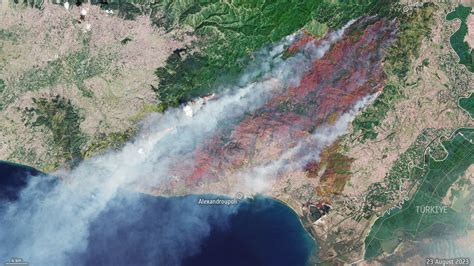
EU Assistance Mobilized to Combat Wildfires in Greece
In light of the escalating wildfire crisis, Greece has formally sought assistance from the European Union. The EU’s Civil Protection Mechanism has been activated, enabling the provision of additional firefighting support, including specialized equipment, firefighting teams, and aircraft. This collaborative effort underscores the vital role of international cooperation in managing large-scale natural disasters, particularly in the context of climate change.
For business travelers and tourists, staying updated on the latest advisories is essential, as the presence of wildfires has already disrupted local businesses, with some hotels and tourist sites temporarily closing for safety reasons. Travelers planning to visit Greece should take heed of evolving conditions and prioritize their safety.
Tourism Impact: Safety Concerns for Visitors
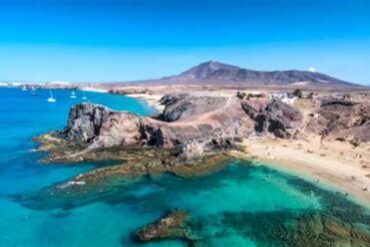
Tourists heading to Greece this summer must exercise caution when considering visits to regions affected by wildfires. Key tourist hotspots, including Athens, the Peloponnese, and the islands of Evia and Kythera, are experiencing significant disruptions, with some areas becoming entirely inaccessible due to the ongoing wildfires. Iconic sites, such as the Acropolis in Athens, have been forced to close during the hottest parts of the day due to fire risks, highlighting the persistent challenges facing Greece’s tourism industry.
For those intent on visiting Greece, it is imperative to monitor local news closely and adhere to safety guidelines. Emergency services advise travelers to avoid impacted regions and follow evacuation instructions without delay.
Tips for Tourists Traveling to Greece During Wildfire Season
- Stay Informed: Keep up-to-date with the latest weather warnings and wildfire alerts from the Greek Ministry of Civil Protection and the European Union.
- Plan for Disruptions: Be prepared for potential travel delays and closures of tourist attractions in affected areas.
- Evacuation Procedures: Familiarize yourself with evacuation routes and procedures in case of an emergency.
- Limit Outdoor Activities: Due to high temperatures and smoke, avoid outdoor activities, especially in wildfire-prone areas.
- Travel Insurance: Ensure that your travel insurance covers cancellation and disruptions due to extreme weather events.
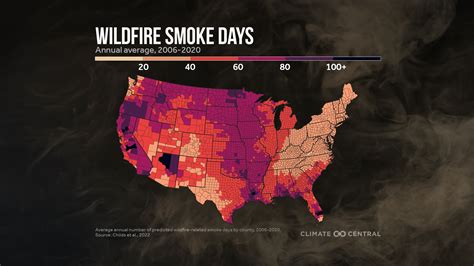
The Bigger Picture: Climate Change and the Future of Tourism in Greece
The wildfires and heatwaves afflicting Greece in 2025 are emblematic of rising global temperatures and their consequences. The frequency and severity of these extreme weather events are on the rise, with the Mediterranean region experiencing hotter summers and extended wildfire seasons. The ramifications of these fires on tourism are profound, as Greece stands as one of Europe’s most visited destinations. However, the persistent threat of wildfires and heatwaves jeopardizes the country’s ability to uphold its reputation as a safe and appealing destination for travelers.
Both tourists and the tourism sector must recognize the importance of preparedness and resilience in the face of climate change. Sustainable travel practices, such as avoiding high-risk areas during wildfire season and remaining informed about local conditions, will be crucial to ensuring the safety and well-being of travelers.
Conclusion: Preparing for the Future of Travel in a Changing Climate
As wildfires continue to ravage Greece and other Mediterranean nations, it becomes increasingly clear that climate change is reshaping the landscape for both local communities and visitors. With the assistance of the EU and other international partners, Greece is striving to combat these fires and safeguard both its citizens and its tourism industry. However, it remains vital for travelers to stay vigilant, informed, and compliant with guidance from local authorities to ensure their safety during these challenging times.
The wildfires of 2025 serve as a stark reminder of the growing risks posed by extreme weather events and the necessity for global collaboration to mitigate their effects. For tourists intending to visit Greece, prioritizing safety, staying updated, and being prepared for potential disruptions will be essential in navigating the complexities posed by the ongoing heatwave and wildfires.