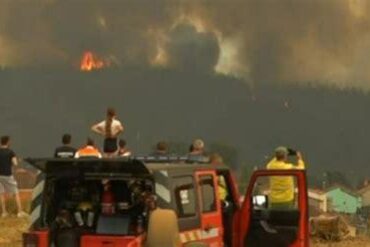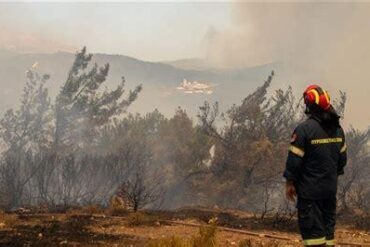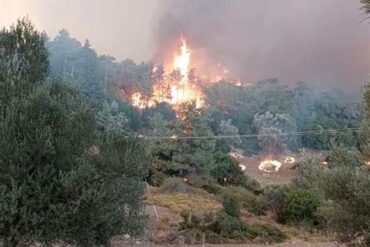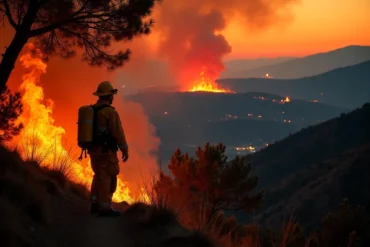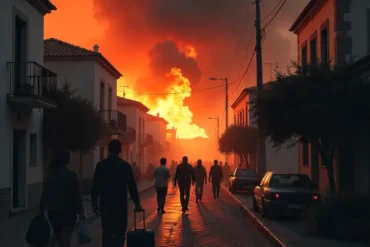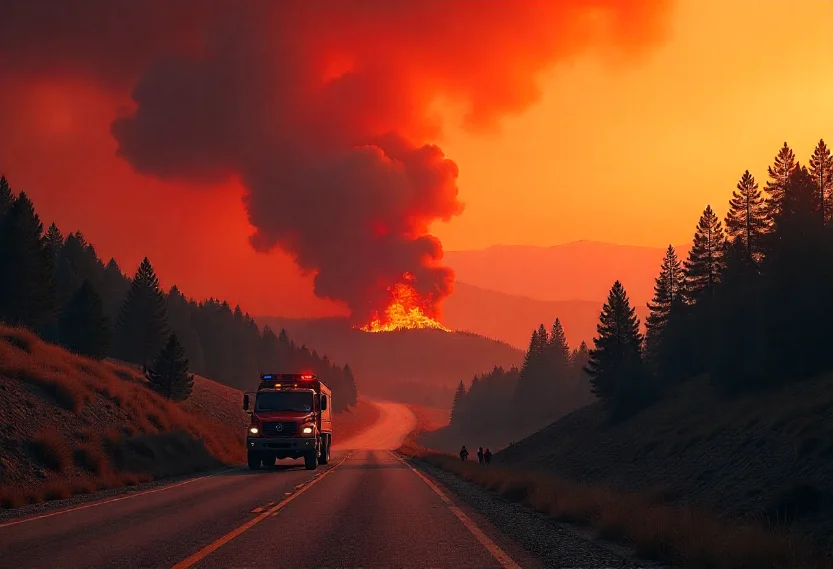
Turkey is currently facing a devastating wildfire crisis that has engulfed several provinces, particularly in the northwest region. As of July 27, 2025, the situation has escalated dramatically, with wildfires threatening Bursa, the country’s fourth-largest city. The fires, which have been exacerbated by an intense heatwave, dry conditions, and strong winds, have led to the evacuation of over 1,700 residents. The glowing embers from the forested mountains surrounding Bursa have cast a haunting red glow over the eastern suburbs, highlighting the imminent danger posed to nearby villages.
The Bursa governor’s office reported that 1,765 residents were safely evacuated amidst the relentless efforts of more than 1,100 firefighters who are working tirelessly to contain the blazes. The intensity of the fires has led to the closure of the main highway connecting Bursa to Ankara, complicating travel plans and hindering firefighting operations. As the flames rage on, the ramifications of this crisis extend beyond immediate threats to life and property, affecting the broader community and the tourism sector.
Turkey’s Struggling Fight Against Unprecedented Wildfires
Since late June, Turkey has been grappling with dozens of wildfires that flare up daily across the nation. On one particularly harrowing day, Forestry Minister Ibrahim Yamukli disclosed that 76 separate blazes were reported across Turkey. This alarming trend is attributed to unseasonably high temperatures, dry weather conditions, and relentless winds, making containment increasingly challenging. The Turkish General Directorate of Meteorology confirmed that the country experienced its highest recorded temperature of 50.5°C (122.9°F) in Şırnak on July 25, shattering previous records. In total, 132 locations across Turkey have reported record-breaking heat levels, with the northwest region bearing the brunt of the crisis.
Tragically, the wildfires have claimed the lives of at least 13 individuals, including 10 firefighters and rescue volunteers. Their courageous dedication to protecting civilians and combating the flames underscores the extreme risks associated with these infernos. As these brave men and women put their lives on the line, their sacrifices highlight the urgency of addressing the ongoing environmental challenges.
Evacuations and Government Response
In response to the escalating crisis, the Turkish government has declared the western provinces of İzmir and Bilecik as disaster zones. This declaration enables the mobilization of additional resources and facilitates legal action against those responsible for igniting some of these wildfires. Currently, prosecutors are investigating wildfires across 33 provinces, with legal proceedings initiated against 97 suspects. While officials have received praise for their efforts to protect civilians and manage the fires, the ongoing heatwave exacerbates the already dire situation, leaving the affected communities in a precarious state.
Impact on Business and Travel: What Tourists Need to Know
The ongoing wildfires and extreme heat have created significant disruptions for travelers planning to visit Turkey. Numerous tourist destinations within the impacted regions remain closed or are inaccessible due to fire damage and safety concerns. The heatwave complicates outdoor activities, making sightseeing and hiking particularly risky in areas where wildfires are most active. Tourists intending to visit regions like Bursa, which is currently undergoing evacuation efforts, or areas along the Mediterranean coast experiencing ongoing fires, are advised to reconsider their travel plans and stay updated through official channels.
Furthermore, local airports and transportation infrastructure have been severely impacted, leading to flight delays and rerouting. The economic fallout from the wildfires is palpable, especially for businesses reliant on tourism. Hotels, resorts, and restaurants in affected areas are experiencing numerous cancellations, with some establishments temporarily closing for safety reasons. If the wildfires continue to worsen, the repercussions for Turkey’s vital tourism sector could be substantial, particularly during peak summer travel months.
What Travelers Should Do
For those currently in or planning to travel to Turkey, it is essential to take precautionary measures:
- Stay Updated: Regularly check for weather updates and evacuation notices from the Turkish Ministry of Environment and Urbanization or the General Directorate of Meteorology.
- Avoid Affected Areas: If your travel plans include regions near the fires, such as Bursa, İzmir, or Karabük, consider altering your itinerary or rerouting to safer areas.
- Monitor Transportation: Keep abreast of flight and transport schedules, as delays and cancellations are likely due to the ongoing fires.
- Prioritize Safety: Limit outdoor activities, particularly hiking or visiting outdoor tourist sites, and adhere to the advice of local authorities.
- Book Travel Insurance: Ensure that your travel insurance policy covers delays, cancellations, or medical issues arising from extreme weather conditions.
Climate Change and the Future of Tourism in Turkey
The current wildfire crisis starkly illustrates the growing threat of climate change. As global temperatures rise, occurrences of extreme heatwaves and wildfires are becoming increasingly frequent and severe. Nations like Turkey, which rely heavily on their tourism sectors, are particularly vulnerable to the socio-economic impacts of climate-related disasters. With the likelihood of more frequent wildfires increasing, both travelers and locals must adapt to evolving risks associated with extreme weather.
To address these challenges, Turkey’s tourism industry must prioritize sustainable tourism practices and better prepare for emergencies. For travelers, this entails being more mindful of environmental risks and staying informed about safety protocols when visiting regions grappling with extreme weather.
Conclusion: Staying Safe Amid the Crisis
Turkey’s current wildfire crisis serves as a critical reminder of the importance of awareness and preparation as wildfires become an increasingly common occurrence worldwide. While the ongoing fires pose a significant threat to both residents and tourists alike, the prompt response from the government and the unwavering efforts of courageous firefighters have played a vital role in saving lives and preserving key infrastructure. As the situation continues to evolve, it is crucial for travelers to remain informed, follow safety guidelines, and be prepared to adjust their plans to ensure their safety during these challenging times.