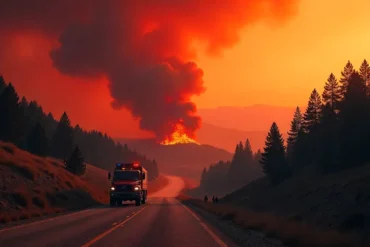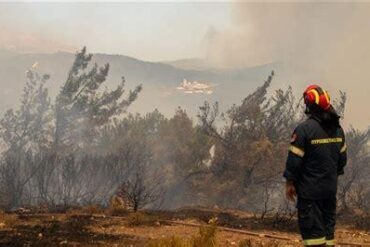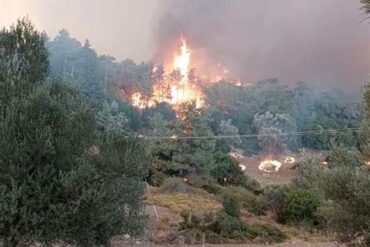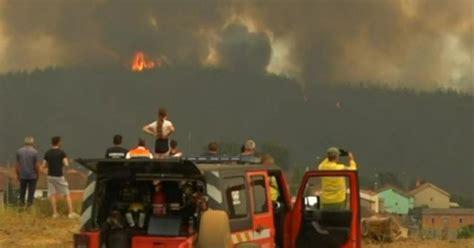
As summer 2025 progresses, Europe is grappling with a devastating heatwave that has brought unprecedented temperatures, rampant wildfires, and extreme weather conditions across the continent. From the ancient ruins of Athens to the bustling streets of Paris, countries are struggling to cope with the effects of soaring heat that threatens both lives and livelihoods. The alarming rise in temperature has resulted in not only health crises but also significant agricultural losses, prompting urgent governmental responses across several nations.
In Spain, the relentless heat has pushed temperatures up to 40°C (104°F) in cities like Madrid and Seville. This extreme weather has led to tragic incidents, including the death of a Dutch tourist in Mallorca, who succumbed to heatstroke while hiking. This incident serves as a stark reminder of the dangers posed by the intense heat, especially for those engaged in outdoor activities. Health authorities have issued dire warnings, advising residents and visitors to stay hydrated, avoid strenuous exertion, and seek shade during peak heat hours. Emergency services are on high alert, dealing with an influx of cases related to dehydration and heat-related illnesses, while hospitals are reporting a surge in patients suffering from heat exhaustion.
The agricultural sector in Spain faces dire consequences as well, with many farmers worried about crop failures and disrupted farming schedules due to the heatwave. In response, the Spanish government has implemented emergency measures, such as opening cooling centers in public spaces, providing free water supplies in high-risk areas, and enhancing air conditioning availability in public institutions. Additionally, the soaring temperatures have caused a spike in electricity demand as households attempt to cool their living spaces, straining the national grid and raising concerns about potential outages.

Similarly, Greece is experiencing its first major heatwave of the season, with temperatures soaring above 40°C (104°F). This has ignited wildfires, particularly in regions south of Athens, leading to evacuation orders for multiple areas. The coastal road connecting Athens to Sounion, home to the historic Temple of Poseidon, has been closed as a precautionary measure. Local authorities have warned that the risk of additional wildfires remains high as adverse weather conditions persist.
In the northeastern city of Alexandroupolis, a ferry has been converted into a temporary hospital to accommodate over 60 patients evacuated from a local facility threatened by encroaching flames. Firefighting efforts are ongoing, but the combination of extreme heat and strong winds has made containment challenging. The wildfires pose a significant threat not just to local residents but also to Greece’s vital tourism industry, as many tourists are forced to cut their trips short or evacuate popular destinations.
Italy is likewise facing dire circumstances, with temperatures exceeding 40°C (104°F) in cities such as Rome and Florence. The Italian government has issued red alerts for 21 cities, urging residents to remain indoors during the hottest parts of the day and take precautions against heat-related illnesses. The oppressive heat has heightened the risk of wildfires, particularly in southern regions like Sicily and Calabria, where firefighting teams are mobilizing additional resources to combat the blazes. Evacuations have been ordered in several towns as wildfires rage out of control, prompting the government to enlist military support for firefighting efforts.
The impact of the heatwave extends beyond immediate health risks; Italy’s tourism industry is suffering as well. Iconic sites like the Colosseum and the Amalfi Coast are witnessing a decline in visitors due to the extreme conditions, casting a shadow over the summer tourist season. With forecasts indicating that the heatwave could persist for several weeks, both residents and visitors must remain vigilant and prepared for continued risks.
In France, the nation is now contending with severe thunderstorms following a prolonged heatwave. These storms have caused widespread damage, including large hailstones, flash flooding, and power outages. Tragically, two fatalities and numerous injuries have been reported due to this violent weather, which caught many off guard after the preceding extreme heat. The French government has issued red alert warnings for various regions, urging citizens to seek shelter and avoid travel during the stormy conditions. Roads have been closed, and numerous towns are facing power cuts due to fallen trees and damaged infrastructure, resulting in significant disruptions to transportation networks.
The sudden shift from scorching heat to violent storms underscores the unpredictable nature of climate-related weather events. Emergency teams are actively clearing debris from affected areas and working to restore essential services. Residents in flood-prone regions have been advised to relocate to higher ground as rivers swell from the heavy rainfall. While forecasts predict a temporary reprieve from the storms, the impact on communities has been profound, with thousands displaced and significant property damage recorded.
Climate Change: A Growing Concern
The recurring heatwaves and wildfires throughout Europe serve as a stark reminder of the urgent need to address climate change. Scientists warn that such extreme weather events are becoming increasingly frequent and severe due to global warming. The Mediterranean region, in particular, is experiencing hotter and drier conditions, making it more susceptible to wildfires and health risks associated with extreme heat.
Governments and environmental organizations are calling for immediate action to mitigate the effects of climate change. Measures include reducing greenhouse gas emissions, investing in renewable energy sources, and implementing sustainable land and water management practices. Global cooperation is essential to tackle the root causes of climate change and ensure that future generations are not subjected to the same devastating effects seen today.
Safety Tips for Travelers and Residents
As Europe continues to endure this extreme heatwave, it is crucial for both residents and visitors to adopt necessary precautions:
- Stay Hydrated: Drink plenty of water throughout the day to maintain hydration levels.
- Avoid Direct Sunlight: Stay indoors during peak heat hours, typically between 11 a.m. and 4 p.m.
- Wear Appropriate Clothing: Light-colored, loose-fitting clothes and wide-brimmed hats can provide protection against the sun’s rays.
- Monitor Health: Be vigilant about recognizing signs of heat-related illnesses, such as heat exhaustion and heatstroke. Seek medical attention if symptoms occur.
- Follow Local Advisories: Stay informed about weather alerts and evacuation orders from local authorities to ensure safety.
A Call for Global Solidarity
The ongoing heatwave and its devastating effects serve as a powerful reminder of the challenges posed by climate change. As Europe battles these extreme conditions, there is an increasing call for global solidarity and concerted efforts to combat environmental degradation. By working together, nations can implement strategies to reduce carbon footprints, enhance disaster preparedness, and build resilient communities capable of withstanding future climate-related challenges.
In conclusion, the summer of 2025 has thrust climate change and its implications into the spotlight, illustrating the urgent need for proactive measures. As Europe confronts this record-breaking heatwave, individuals, communities, and governments must act decisively to safeguard the well-being of people, property, and the environment for future generations.