Paris has captured global attention as the city officially reopens the River Seine for swimming, aligning itself with nations like England, Germany, Canada, and Russia, where rivers have become symbols of relief and resilience against intensifying summer heatwaves. This bold step not only rewrites urban tourism but also marks a new chapter in Europe’s battle with climate change.
Heatwaves no longer trickle into the news quietly; they roar across continents, sending temperatures soaring and transforming rivers into sanctuaries for millions. From the cool embrace of the Thames in England to the remote waters of Canada’s Arctic, urban waterways are reshaping how people escape the heat, and how cities adapt.
Rivers as Lifelines: The Global Shift Toward Water-Based Urban Tourism
Across Europe and beyond, unprecedented heatwaves have redefined the relationship between people and rivers. Once viewed as scenic backdrops, these waterways now function as vital sanctuaries amid soaring temperatures. The River Thames in England, the Elbe and Isar in Germany, the Volga in Russia, and even Canada’s Mackenzie River above the Arctic Circle have witnessed a surge in swimmers seeking relief.
This spontaneous, water-driven escape reflects both human instinct and the harsh reality of climate change. With each record-breaking summer, cities face growing pressure to offer sustainable, safe environments for heatwave tourism, while protecting fragile ecosystems.
England’s Thames: From Fog to Floating Swans
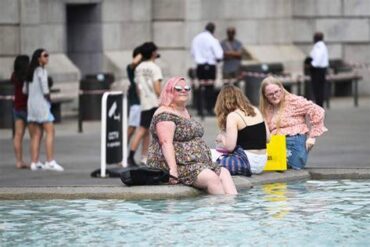
The United Kingdom, once stereotyped by rainy afternoons and chilly breezes, now faces scorching summers that redefine leisure along the River Thames. In areas like Richmond, grassy riverbanks fill with sunbathers, families wade through shallows, and inflatable swans drift under historic bridges.
However, these scenes of joy mask significant risks. The Thames is no controlled swimming pool. Strong currents, unexpected temperature shifts, and pollution remain ever-present dangers. Local councils walk a tightrope—capitalizing on the river’s new tourism appeal while launching public safety campaigns to prevent tragedy.
France’s Historic Plunge: Paris Embraces the Seine Once More
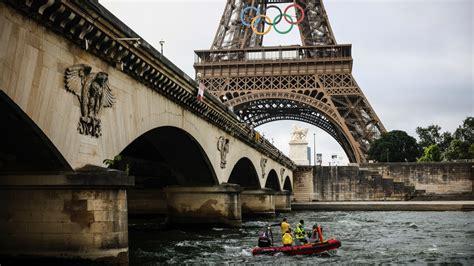
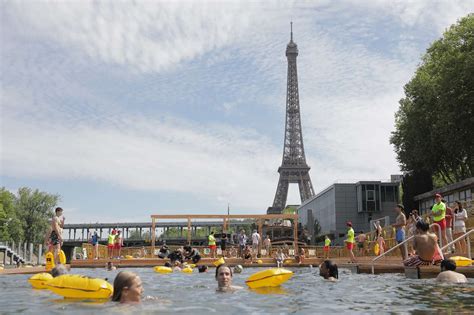
After more than a century, swimming in the River Seine is legal again, signaling a monumental victory for Paris’ environmental and urban renewal efforts. On a sunlit morning near the Eiffel Tower and Île Saint-Louis, Parisians and tourists plunged into the emerald waters, marking the culmination of a €1.4 billion cleanup tied to the 2024 Olympic Games.
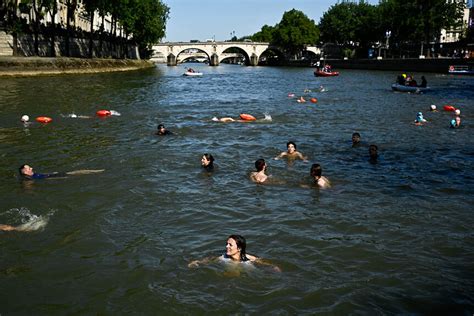
For decades, the Seine’s waters were declared unsafe, plagued by industrial waste and urban runoff. The ban, imposed in 1923, transformed the river into a visual icon rather than a living resource. But environmental movements and civic ambition have reversed its fate. Today, advanced sewage systems, pollution outflow rerouting, and relentless water quality monitoring have resurrected the Seine’s ecological health.
The symbolic swim was more than recreation—it was a declaration that Paris is ready to lead in sustainable urban tourism, merging environmental stewardship with cultural heritage. Wooden decks, vigilant lifeguards, and strict testing for E. coli and enterococci safeguard this transformation.
Germany’s Rivers and Lakes: Heatwave Havens with Hidden Risks
In Germany, precision and order meet improvisation as citizens flock to rivers and lakes during sweltering summers. From Berlin’s Spree to Bavaria’s alpine waters, waterways offer essential respite. The Elbe and Isar rivers draw enormous crowds, particularly during record heat spikes.
Yet, even Germany’s carefully maintained spaces reveal vulnerabilities. Strong currents, sudden temperature fluctuations, and water levels threatened by prolonged droughts complicate efforts to balance public access with safety. While local economies benefit from heatwave-driven tourism, authorities remain on high alert to prevent tragedies.
Russia’s Tragic Lessons: Heatwaves and Deadly Currents
Russia offers a sobering reminder of heatwave tourism’s perils. In 2010, Moscow and St. Petersburg endured a brutal heatwave, with temperatures exceeding 40°C. Desperate to cool off, thousands flooded to the Volga, Don, and smaller rivers.
However, the outcome was grim. On a single day, over 285 people drowned, many inexperienced swimmers or intoxicated individuals underestimating the water’s power. Russia’s waterways continue to serve as vital refuges, but they remain sites of potential disaster, underscoring the need for stringent safety measures and public awareness.
Canada’s Arctic: When Heatwaves Reach the Frozen North
Far from Europe, Canada’s Arctic paints an astonishing picture of environmental change. In Inuvik, located above the Arctic Circle, residents experienced a surreal 30°C heatwave, prompting families to swim in the Mackenzie River.
While joyful, these Arctic swims reveal unsettling truths about accelerating climate change. The region’s frozen reputation is melting—literally—and tourism operators cautiously consider promoting summer river tours. Yet, the novelty is shadowed by ecological warnings, highlighting the paradox of experiencing global warming firsthand.
The Rise of Heatwave Tourism: A Double-Edged Sword
The emerging niche of heatwave tourism blends thrill-seeking, social media, and climate extremes. Viral videos of spontaneous swims in urban rivers capture global fascination, turning these moments into must-do travel experiences.
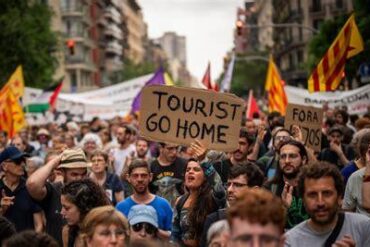
Destinations, however, face complex ethical dilemmas. Promoting river swims may generate revenue, but it also raises concerns about ecosystem strain, safety liabilities, and the normalization of climate-driven crises. Cities must weigh economic gains against long-term sustainability.
Infrastructure, insurance policies, and public messaging require rapid adaptation to meet the demands of travelers drawn to these heatwave hotspots.
Paris as a Blueprint for Global Urban Renewal
Paris’ successful Seine revival serves as a powerful model for cities worldwide confronting similar challenges. Rivers like London’s Thames, New York’s Hudson, and Melbourne’s Yarra have all struggled with pollution legacies and limited public access.
Paris’ rigorous approach—massive infrastructure investment, relentless water testing, and community engagement—demonstrates how urban waterways can be transformed into shared, sustainable spaces. This not only enhances tourism but offers relief from rising temperatures, fostering resilience in an era of climate uncertainty.
Already, hospitality providers in Paris are crafting unique visitor experiences centered on the Seine. Morning swims, brunch cruises ending with a river dip, and eco-friendly tour packages position the city as a leader in climate-conscious tourism.
The Future of the Seine: Promise and Precaution
While Paris celebrates this historic milestone, officials acknowledge the Seine’s future hinges on continuous vigilance. Heavy rainfall can still wash pollutants into the river, requiring temporary closures. Coexistence between swimmers and river traffic, particularly tourist boats, demands careful regulation.
Sustainability experts stress that maintaining exceptional water quality and public confidence requires long-term investment, well beyond the Olympic spotlight. Paris plans to expand swimming zones and deepen public engagement, envisioning a city where natural and urban life seamlessly intertwine.
Heatwave Tourism Redefines Travel in a Warming World
Heatwaves are reshaping global tourism, compelling cities to innovate while revealing both humanity’s adaptability and its vulnerability. From Germany’s alpine lakes to Russia’s vast rivers, from Arctic shores to Paris’ iconic Seine, waterways are at the forefront of a profound shift in how we experience urban life.
Travelers increasingly crave authentic, participatory experiences. Swimming beneath historic bridges, floating past gothic cathedrals, or simply cooling off in a city’s heart fosters a connection deeper than traditional sightseeing.
Paris’ plunge into the Seine is more than a return to tradition—it symbolizes a global pivot toward sustainable, resilient tourism that embraces both the beauty and the challenges of a warming planet.
As cities worldwide grapple with rising temperatures and changing traveler expectations, Paris stands as a testament to what’s possible when ambition, environmental stewardship, and cultural heritage align. The Seine flows anew—not only as a river but as a current of hope, adaptation, and shared human experience.