In recent years, Spain, Italy, and Portugal have witnessed an unusual and unexpected transformation in the humble plastic water gun. Once just a playful toy for children, it has now emerged as a powerful emblem in the anti-tourism movement sweeping across Southern Europe. What began as a lighthearted way to cool off during the sweltering summer months has morphed into a striking symbol of frustration among locals who feel overwhelmed by the influx of tourists. This movement has sparked a global debate about the sustainability of the travel industry and its impact on local cultures.
Barcelona: The Heart of the Water Gun Rebellion
At the forefront of this movement is Barcelona, where the iconic streets once resonated with the vibrant sounds of local life but are now often filled with the chatter of international visitors. The city, known for its architectural marvels like the Sagrada Familia, has become a battleground for competing narratives about tourism and community identity. The playful squirt of a water gun in the hands of a protester is now a statement: a rejection of the commodification of culture and a call for respect toward the city’s heritage.
The origins of this movement can be traced back to last summer when an activist group organized a protest against gentrification fueled by tourism. As temperatures soared, demonstrators armed themselves with colorful water guns to stay cool. However, the water guns quickly became instruments of dissent, aimed not just at each other but directly at unsuspecting tourists. Images of locals drenching tourists went viral, transforming a humorous act into a poignant political statement.
From Playful Spray to Political Statement
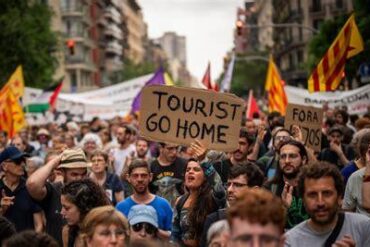
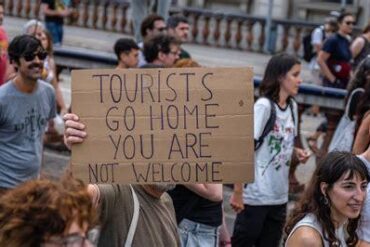
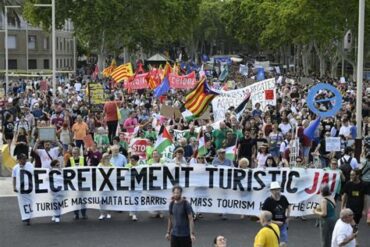
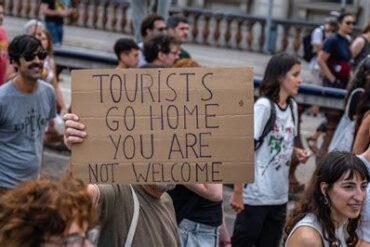
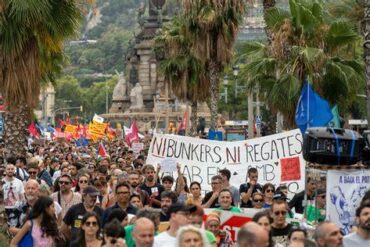
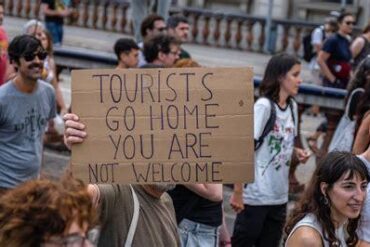
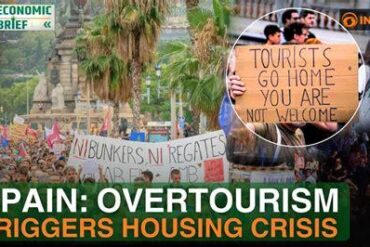
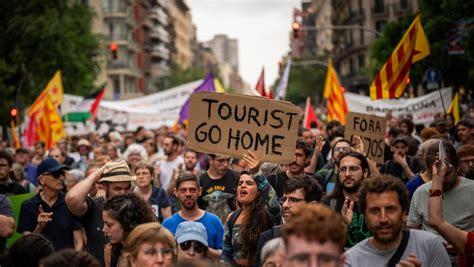
As the summer of 2025 approached, the movement gained momentum. Protesters staged mass demonstrations throughout central Barcelona, targeting tourist-heavy areas that were once the pride of the locals. The atmosphere was charged with energy as chants filled the air, banners were unfurled, and water guns were brandished in defiance. The slogan “Tourist Go Home” adorned stickers plastered across lampposts and hotel doors, accompanied by the striking image of a squirt gun.
While some protesters used their water guns in jest—shooting sprays into the air or at one another—others directed their streams at café patrons and guided tour groups. The intent was never to harm, but rather to provoke thought and instigate a dialogue about the adverse effects of mass tourism. Tourists, often caught in the crossfire, experienced a range of emotions, from laughter to confusion, and even discomfort. For many, this encounter marked the beginning of their holiday with an unexpected confrontation, shattering the illusion of a carefree escape.
The Underlying Issues: Gentrification and Cultural Erosion
Beneath the surface of playful rebellion lies a more profound issue: the gentrification of cities like Barcelona, where the essence of local culture is increasingly being overshadowed by the demands of the tourism industry. Residents argue that soaring rents and the proliferation of short-term rental properties have rendered living in the city unaffordable for many. Local businesses that once thrived are being replaced by shops catering exclusively to tourists, stripping away the unique character that made these neighborhoods vibrant.
The plastic water gun has thus evolved from a mere toy into a symbol of cultural loss. It represents a collective cry against the erosion of identity as the city morphs into a mere backdrop for holiday photos. The playful act of spraying water becomes a poignant reminder of what is at stake—a plea for the preservation of local traditions and the fight against the commodification of communal spaces.
A City in Crisis: The Tensions of Tourism
Barcelona’s struggle with tourism is not a new narrative. Over the years, city officials have attempted various strategies to manage the flood of visitors. These include imposing permit caps on short-term rentals, fining illegal operators, and promoting alternative attractions to divert traffic away from overcrowded areas. Despite these efforts, the allure of Barcelona remains strong, drawing over 30 million visitors annually to a city with a population of just 1.6 million. This staggering visitor-to-resident ratio exacerbates existing tensions and complicates the relationship between locals and tourists.
The economic benefits of tourism cannot be overlooked; it fuels jobs, supports local businesses, and generates significant revenue. However, the question persists: can this growth continue without incurring irreparable damage to the very fabric of the city? Protests like those seen with the water guns compel the global travel industry to confront uncomfortable truths about its sustainability.
International Attention and the Call for Change
The recent wave of protests has garnered significant media coverage, thrusting Barcelona into the international spotlight. Activists have succeeded in raising awareness about the challenges posed by overtourism, directing their frustration not at tourists themselves but at policymakers and the tourism boards responsible for managing the influx. Barcelona’s tourism board faces intense scrutiny: can it find a balance between fostering economic growth and ensuring the well-being of its residents? Is there a viable model that can preserve the city’s cultural integrity while still promoting tourism?
Cities across Europe are watching closely, as the message behind the water guns may soon spread beyond Spain’s borders. Locations like Valencia, Palma, and Seville might adopt similar tactics as they grapple with their own struggles against mass tourism. The water gun has become more than a playful tool; it embodies a broader movement advocating for a reexamination of tourism’s impact on urban environments.
Digital Discourse: Social Media and Global Implications
The rise of social media has amplified the reach and impact of the protests. Videos capturing the antics of water gun-wielding protesters have sparked heated discussions online. While some praise the approach as a clever and nonviolent form of resistance, others criticize it as public shaming that misdirects frustration toward individuals rather than addressing systemic issues.
As the conversation expands, cities like Venice, Amsterdam, and Lisbon—each facing their own battles against overtourism—are observing Barcelona’s movements closely. The implications of these protests extend beyond local boundaries, prompting a reevaluation of how we define our roles as travelers. Are we mere guests, or have we become unwitting invaders in the communities we visit?
In conclusion, the emergence of plastic water guns as a symbol of the anti-tourism movement in Southern Europe underscores a growing discontent among locals. It reflects deeper societal issues related to gentrification, cultural erosion, and the sustainability of the travel industry. As cities like Barcelona navigate this complex landscape, the water gun serves as both a playful prop and a powerful political statement—a reminder that the joy of travel must not come at the expense of community identity and local culture.