Italy and France are currently grappling with an intense heatwave that is not only pushing temperatures to record levels but also testing the resilience of their vital tourism infrastructure. As soaring temperatures disrupt transport networks, strain energy grids, and force iconic attractions to adapt their operations, travelers are compelled to rethink their itineraries. This transformation in travel behavior is a response to the need for safety amid soaring temperatures, leading to a significant shift towards cooler hours and indoor activities.
This summer, Italy finds itself under the burden of some of the highest temperatures ever recorded. The Ministry of Health has issued red heat alerts across numerous major cities including Rome, Milan, Florence, and Naples. Daily highs are reaching or exceeding 40 °C, creating conditions that are particularly hazardous for vulnerable populations such as children, older adults, and individuals with pre-existing health conditions. Local officials have advised both residents and tourists to stay indoors during the peak afternoon heat to mitigate health risks. Consequently, museums, cathedrals, and air-conditioned cafes are becoming crowded sanctuaries where people seek refuge from the oppressive heat. Early mornings and late evenings are now regarded as the optimal times for outdoor exploration, prompting visitors to adjust their routines to navigate Italy’s rich cities and breathtaking countryside safely.
To further protect workers from the extreme heat, Italy has implemented midday restrictions on outdoor labor across a majority of its regions. This directive affects construction sites, delivery services, and other outdoor jobs, which must now halt operations between 11 a.m. and 4 p.m. While these measures are essential for worker safety, they also impact tourists who rely on these services for transportation and logistics. The rail transport sector is experiencing significant strain as the heat causes tracks to expand and buckle, resulting in delays and cancellations. Cross-border services between Italy and France have already reported interruptions. Consequently, passengers are advised to regularly monitor train timetables and allow for additional travel time to accommodate potential delays.
Moreover, Italy’s power grid is facing unprecedented demand due to soaring temperatures as air conditioning units run continuously. Major cities such as Rome, Milan, and Bergamo have reported sporadic blackouts that disrupt elevators, traffic lights, and hotel cooling systems. Tourists should be prepared for brief interruptions in services and plan accordingly to minimize inconvenience.
With hospitals across Italy witnessing a sharp increase in heat-related cases, medical teams are treating a growing number of patients suffering from dehydration, heat exhaustion, and severe heatstroke. Unfortunately, there have been tragic incidents where both workers and tourists have succumbed to the intense heat. To safeguard themselves, travelers are urged to adopt several precautionary measures: they should drink water frequently while avoiding alcohol or sugary drinks that exacerbate dehydration; wear loose, light-colored clothing along with wide-brimmed hats for optimal sun protection; remain indoors or seek shaded areas during the hottest parts of the day; and apply a broad-spectrum sunscreen with a high SPF, reapplying it regularly throughout the day. Additionally, travelers should ensure that their travel insurance covers heat-related medical issues and keep abreast of local health advisories to adjust their plans as necessary.
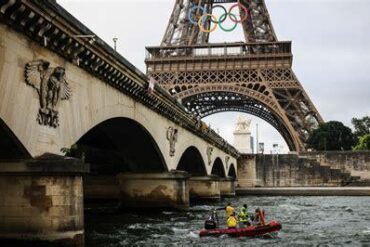
Italy’s iconic sites are also adapting to the extreme weather conditions. Tourists flock to fountains in search of relief, while landmarks such as the Colosseum and Vatican Museums are witnessing peak crowds during the cooler early hours. Some attractions have begun limiting visitor numbers or temporarily closing certain sections for safety reasons. A similar situation unfolded in Paris when the top level of the Eiffel Tower was closed during a heatwave, and Italy may need to consider similar measures if the extreme weather persists. Tourists are encouraged to check official websites before visiting and remain flexible to accommodate sudden changes in schedule. Outdoor guided tours are modifying their itineraries, shifting start times to early morning or shortening routes to avoid prolonged sun exposure. Confirming bookings in advance and being open to last-minute adjustments is now essential for travelers.
While airports continue to operate normally, train services remain vulnerable to heat-related disruptions. Railway operators may reduce train speeds or cancel services when tracks warp under the intense sun. Travelers are advised to keep an eye on real-time updates, expect delays, and plan their journeys with ample time in mind. Road travel presents its own set of challenges as high temperatures can damage asphalt and heighten the risk of vehicle overheating. Drivers should plan for frequent rest stops, carry extra water, and ensure their vehicles are in good condition before embarking on their journeys. Rental companies often recommend avoiding long drives during peak heat hours to minimize risks associated with extreme temperatures.
In response to the ongoing heat crisis, cities across Italy have opened air-conditioned cooling shelters designed to provide respite for both residents and tourists. Visitors can inquire with hotel staff or tourist offices for directions to these crucial havens. Businesses are also adapting to the heat; numerous restaurants are adjusting their hours to operate during cooler times, while outdoor markets now open at dawn and close before the midday heat sets in. Delivery companies have suspended midday operations in several regions to safeguard their workers. Moreover, tourism boards are actively disseminating safety tips through posters, social media platforms, and hotel information desks, reminding visitors of the importance of staying safe in the heat.
As Italy and France face relentless heatwaves that expose vulnerabilities in their tourism systems—from transport delays to power outages—these challenges are driving visitors to adapt by shifting their schedules, prioritizing indoor attractions, and rethinking traditional summer itineraries. Climate experts warn that heatwaves like this one are likely to become increasingly frequent as global temperatures rise. In response, Italian authorities are exploring innovative ways to adapt tourism to extreme weather conditions, including the introduction of daily visitor caps, higher peak-season taxes, and mandatory reservations for beaches in popular destinations. Regions such as Sardinia and the Cinque Terre have already implemented limits on daily visitor numbers to preserve fragile ecosystems and ensure safety during emergencies. Tourists may soon need to book their spots in advance and acclimatize to a more regulated travel experience.
Despite the myriad challenges presented by the current heatwave, Italy remains one of the world’s most cherished travel destinations. With careful planning, flexibility, and a focus on safety, visitors can still forge unforgettable memories even during Europe’s hottest summer days. As travelers adapt to the evolving landscape of tourism amidst climate change, the enduring allure of Italy continues to beckon adventurers from around the globe.