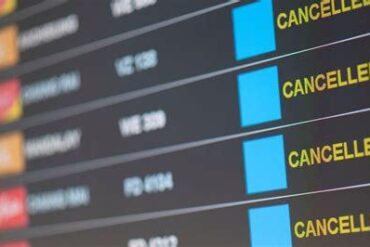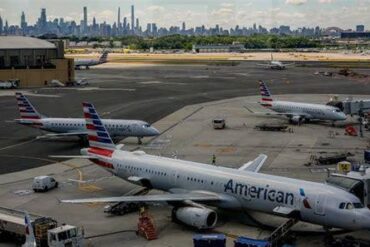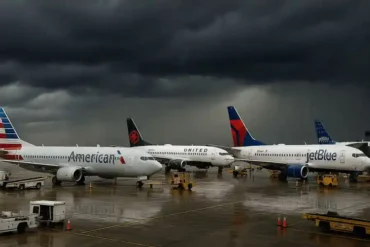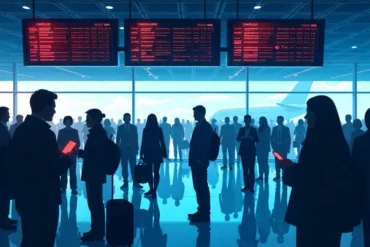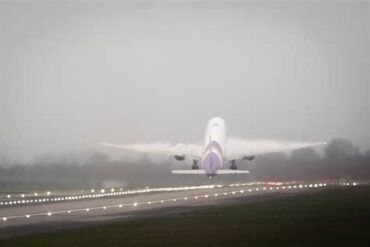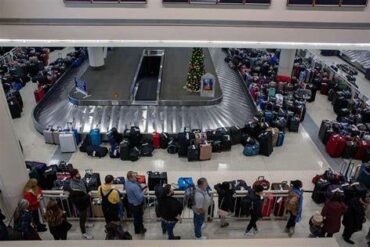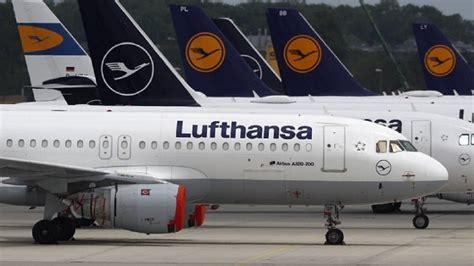
Severe weather conditions sweeping across Europe have triggered a wave of over 450 flight delays and cancellations, creating logistical nightmares for major airlines and tens of thousands of passengers. The brunt of the disruption is being felt at Palma de Mallorca, Barcelona, Charles de Gaulle, Basle-Mulhouse, and Munich airports, where airlines including Lufthansa, Air India, Air France, United, Ryanair, Brussels Airlines, Wizz Air, Turkish Airlines, and KLM have been thrown into operational disarray.
Storm-Induced Travel Crisis Unfolds Across Europe
From Spain to Germany, the chain reaction sparked by unrelenting storms has turned smooth travel plans into stranded journeys and endless queues. In particular, Charles de Gaulle in Paris, Munich International, and Barcelona El Prat—key European aviation hubs—have been crippled by rolling delays and cascading cancellations. The frequency and intensity of the storms have left air traffic control and airport ground operations struggling to maintain basic schedules.
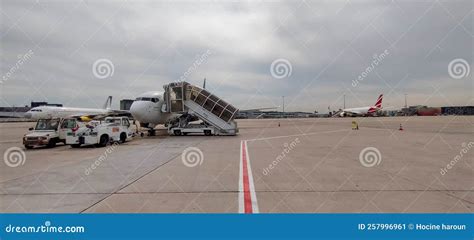
As airline systems scramble to adjust to weather-driven turbulence, many aircraft are grounded without clear timelines. Air France, headquartered at Charles de Gaulle, has been hit hardest, with 154 delays and 17 cancellations recorded in a single day. United Airlines has experienced transatlantic disruptions with diverted flights and irregular operations in Munich and Barcelona, leading to severe passenger dissatisfaction.
Palma, Barcelona, Paris, Munich, and Basle-Mulhouse: Epicenters of the Disruption
Palma de Mallorca Airport
Normally a haven for leisure travelers during summer, Palma de Mallorca has seen 50 flight delays and 17 cancellations, affecting carriers such as easyJet, Ryanair, Condor, Vueling, and Eurowings. The unexpected storm front disrupted early-morning operations, cascading into missed connections across Europe.
Barcelona International Airport
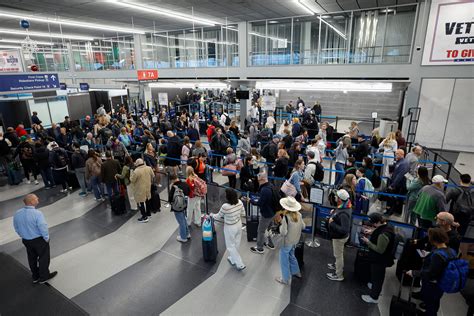
The Spanish metropolis witnessed 50 delays and 15 cancellations. Airlines including KLM, Air France, United, Qatar Airways, and Wizz Air are struggling to recalibrate their schedules. The delays have overwhelmed check-in counters and security queues, where passengers report waiting over three hours just to reach their gates.
Charles de Gaulle Airport
As Europe’s second-busiest airport, Charles de Gaulle has absorbed the worst operational shock, with 154 delays and 17 cancellations. Major global and regional players including Air India, Brussels Airlines, Delta, Qantas, and Emirates have been forced to reroute or cancel services. The volume of international traffic magnifies each delay into global disruptions.
Munich International Airport
The German gateway suffered 45 delays and 11 cancellations, as Lufthansa, Brussels Airlines, Condor, Turkish Airlines, and Air France juggle both Schengen and non-Schengen operations. Munich’s dual role as a connection point to North America and Asia means ripple effects are already evident in overseas schedules.
Basle-Mulhouse Airport
The tri-national airport serving France, Germany, and Switzerland reported 22 delays and 7 cancellations, notably impacting easyJet, Wizz Air, and Austrian Airlines. Though smaller in volume, its location means disruptions here reroute significant regional flows, including flights to Vienna, Zurich, and Milan.
Lufthansa and Air France Lead Crisis Management Under Pressure
Among Europe’s legacy giants, Lufthansa is enduring a particularly acute operational challenge. Munich’s disruption has compounded issues at its Frankfurt hub, forcing the airline to rebook thousands and offer hotel accommodations. Short-haul intra-European routes, particularly to Italy, France, and Eastern Europe, are experiencing average delays of 2–4 hours. The carrier’s CityLine division, designed for regional mobility, has reported multiple aircraft stuck on tarmacs or diverted due to unsafe landing conditions.
Air France, meanwhile, is coping with the burden of being based in the storm’s epicenter. The airline’s long-haul routes to the U.S., Canada, and Middle East are facing cumulative delays of up to six hours. Crew shortages and displaced aircraft are complicating any short-term fixes.

Global Carriers and Low-Cost Airlines Face Distinct Challenges
Air India, which recently resumed key European services, is facing reliability concerns. Its Munich-Delhi and Paris-Mumbai routes have both encountered prolonged delays. In multiple cases, passengers were told to return the next day as hotel vouchers ran out.
United Airlines, operating some of the most extensive North Atlantic routes, has rerouted many flights via London Heathrow or Zurich. Aircraft turnaround times, critical for transatlantic profitability, have now ballooned, placing strain on operations across the board.
Low-cost airlines like Ryanair, Wizz Air, and Brussels Airlines are built on tight scheduling and quick turnarounds. When weather halts even one rotation, the subsequent domino effect is severe. Ryanair’s network, already stretched thin during the summer rush, has seen dozens of last-minute cancellations in Barcelona and Palma. Wizz Air’s Vienna-based fleet has struggled to reposition aircraft, stranding travelers bound for Eastern Europe.
Airline Responses: Compensation, Rebooking, and Passenger Care
To address mounting pressure, several airlines have activated emergency protocols. Lufthansa and Air France are offering automated rebooking services, but website and app overloads have left passengers waiting for hours. Ryanair and Wizz Air have begun distributing meal vouchers and limited hotel accommodations but are warning travelers of extended delays lasting into the weekend.
Despite regulatory pressure under EU261, some passengers report resistance or slow processing of compensation claims. With social media flooded with passenger grievances, some airlines are deploying additional ground staff and translation support to appease stranded travelers.
The Broader Picture: Airport Infrastructure and Climate Resilience
This weather crisis has highlighted a key vulnerability in Europe’s aviation infrastructure—its fragility under extreme weather events. Many airports, including Charles de Gaulle and Munich, have outdated drainage and runway systems ill-equipped to handle persistent thunderstorms. Experts warn that climate-driven volatility may make such large-scale disruptions more frequent.
Meteorologists expect the weather front to linger across Central and Western Europe for another 48 hours, with more storms forecast in northern Italy, southern Germany, and eastern France. The risk of secondary delays—where aircraft and crews are out of position—remains high for at least three days post-crisis.
Final Word: A Call for Strategic Preparedness
The June 26 storm surge has once again exposed the systemic vulnerability of air travel networks to environmental disruption. While weather cannot be controlled, preparedness, fleet flexibility, and real-time passenger communication are critical tools airlines must enhance. With peak summer travel looming, the stakes for airlines are immense.
For now, passengers are urged to monitor their flights via official airline apps, avoid arriving at airports too early, and prepare for delays of several hours even if flights appear “on time.” Flexibility and access to real-time updates remain the best survival tools during this unpredictable travel week.