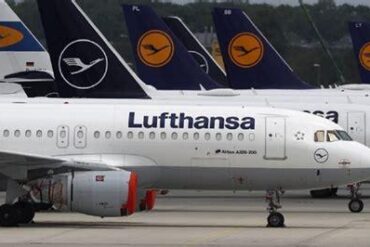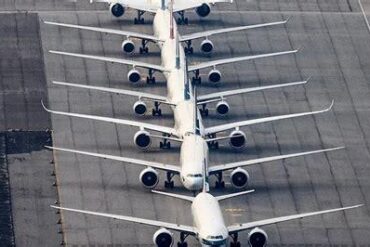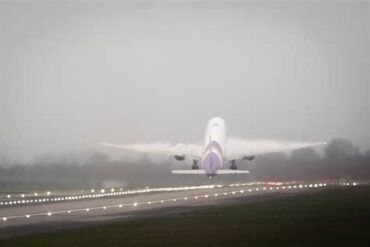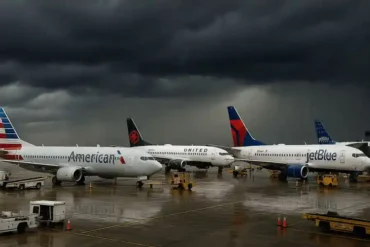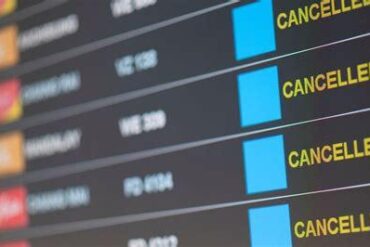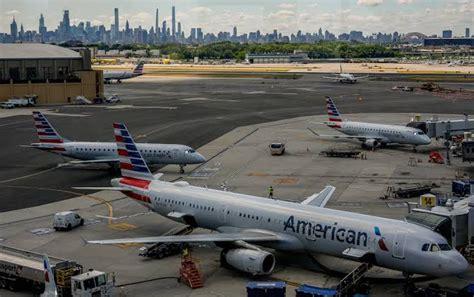
Air travel across the United States plunged into chaos on June 26, 2025, as more than 1,100 flights were delayed or cancelled due to a perfect storm of severe weather and a brewing tropical system off the Pacific coast. Passengers flying with major carriers like Spirit, Delta, American, United, JetBlue, Emirates, Qatar Airways, Singapore Airlines, and many others experienced cascading disruptions at some of the nation’s busiest airports, including JFK, Miami, Houston, Charlotte, Atlanta, Chicago, Newark, and Boston.
Turbulent Skies Disrupt Nationwide Flight Schedules
The ripple effect of grounded aircraft, diverted landings, and extended gate holds quickly spread throughout the national aviation network. According to aggregated airport data, 1,094 delays and 32 cancellations were reported across just seven key airports within a 24-hour period. These delays were largely attributed to thunderstorms, lightning activity, low cloud ceilings, and poor visibility in several critical metro hubs.
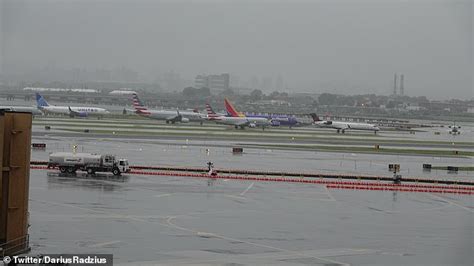
Chicago O’Hare International Airport (ORD) bore the brunt of delays, recording 203 affected flights, led by American Airlines (50 delays) and United Airlines (41 delays and 4 cancellations). Regional carriers like PSA Airlines, SkyWest, and Envoy Air also suffered significant delays, underscoring the fragility of feeder networks when larger operators stumble.
In Charlotte Douglas International Airport (CLT), travelers encountered 209 delays and 2 cancellations, with American Airlines logging 86 disruptions. Smaller regional players like Piedmont and PSA were hit especially hard, with 54 and 46 delays respectively.
South and Southeast Hubs Crippled by Weather
Houston George Bush Intercontinental (IAH) experienced 103 delays, mostly concentrated among United Airlines operations, reflecting its role as a central hub for the carrier. Additional slowdowns were noted for Air Canada, Emirates, Avianca El Salvador, and Lufthansa.
At Miami International Airport (MIA), flight flow snarled as 124 delays and 1 cancellation were recorded. American Airlines, with 76 delayed flights, dominated the disruption. International carriers such as British Airways, LATAM, Emirates, TAP Air Portugal, and Turkish Airlines also reported scattered slowdowns, causing cascading missed connections for global travelers.
Northeast Gateways Also Affected
Newark Liberty International (EWR) and John F. Kennedy International Airport (JFK)—two of the most vital Atlantic gateways—saw heavy operational breakdowns. Newark logged 79 delays and 8 cancellations, primarily from United Airlines, which suffered 38 delays and 6 outright cancellations. Other casualties included Dreamjet, El Al, Air India, and TAP Air Portugal.
Over at JFK, 113 delays and 6 cancellations were tallied. JetBlue was the most severely affected, with 47 delays, followed by Delta and American Airlines. International players such as Singapore Airlines, Virgin Atlantic, Swiss, Qatar Airways, and Emirates faced scheduling chaos as weather prevented clean handovers of aircraft and crews.
Atlanta and Boston Face Domino Disruptions
Despite being known for efficiency, Hartsfield-Jackson Atlanta International Airport (ATL) endured 177 delays and 4 cancellations. A staggering 112 delays were attributed to Delta Airlines, a cornerstone operator in Atlanta. Other affected airlines included Frontier, American, Southwest, and intercontinental carriers like Ethiopian Airlines, Turkish Airlines, and KLM.
Meanwhile, Boston Logan International Airport (BOS) reported 86 delays and 4 cancellations, with JetBlue, American Airlines, and Delta once again leading the disruption tally. Cape Air, a regional carrier, was forced to cancel all four of its scheduled flights for the day.
A Brewing Storm: The Meteorological Threat Behind the Meltdown
Much of the flight disarray was the result of a deteriorating meteorological landscape. Thunderstorms swept across several key flight corridors, disrupting departure and arrival sequencing. Compounding the issue, the National Hurricane Center (NHC) issued an alert for EP95, a low-pressure system developing in the eastern Pacific Ocean, near southern Mexico and Guatemala.
This system, with an 80% chance of forming into a tropical depression or tropical storm within a week, threatens to funnel moist air and turbulent weather into North American airspace. While EP95 has not yet reached tropical storm status, its current trajectory suggests increasing instability for Gulf Coast and southeastern US operations in the coming days.
Airlines Respond with Contingency Plans
Airlines are taking immediate steps to mitigate passenger inconvenience. United, Emirates, and Qatar Airways are offering flexible rebooking policies, allowing travelers to shift their schedules without additional fees. JetBlue and Spirit Airlines issued warnings on social media, urging passengers to arrive earlier, expect delays at security checkpoints, and monitor gates for last-minute changes.
In particular, international carriers are grappling with the compounding effect of multi-leg itineraries. For example, a Qatar Airways flight from Doha to JFK affected by a delay can trigger domino effects for connecting flights onward to Toronto, Chicago, or Mexico City. This interdependence is magnified in summer, when international traffic surges across US airports.
Complete Scope of Airline Disruptions
The depth of the crisis becomes clear when examining the broader list of impacted airlines. A staggering range of carriers spanning every global region reported significant scheduling issues. This included:
- North American carriers: United, American Airlines, Delta, Spirit, JetBlue, Alaska, Southwest
- European airlines: British Airways, Lufthansa, Swiss, TAP Air Portugal, Turkish Airlines, Virgin Atlantic
- Asian operators: Qatar Airways, Emirates, Singapore Airlines, Korean Air, Japan Airlines, Etihad, Cathay Pacific
- Latin American connections: LATAM, Avianca, Aeroméxico, Copa Airlines
- Regional US feeder airlines: PSA, Piedmont, SkyWest, Envoy, CommuteAir, Mesa Airlines
This extensive list reflects just how deeply entrenched the current weather-based disruptions have become—not isolated to one hub, one airline, or one sector, but a systemic aviation disruption rooted in natural volatility and tight scheduling margins.
Passenger Experience: Frustration and Fatigue
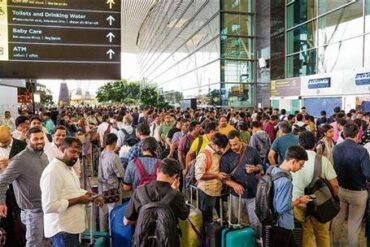
Passengers across the country have taken to social media to voice frustrations. Photos from Charlotte, JFK, and Houston show terminals filled to capacity, with long lines at rebooking counters and packed boarding areas. For many, the lack of clear communication has been the most stressful part of the ordeal.
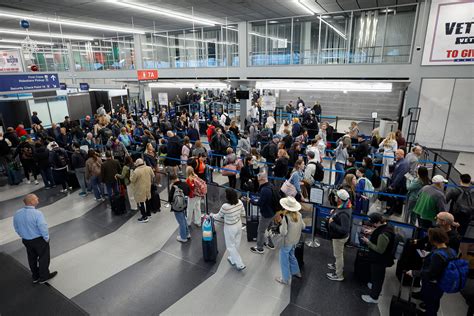
One JetBlue passenger stuck at JFK shared: “There were no updates for three hours. People were sitting on the floor, and announcements kept changing gate numbers.” Others reported that airport concessions ran out of food and water in certain terminals due to surging crowds.
Looking Ahead: Forecast and Recommendations
With EP95 continuing to organize and a heatwave predicted for the Midwest, the aviation sector may be in for more turbulence in the coming days. The Federal Aviation Administration (FAA) has not yet issued widespread ground stop orders but has warned of flow management programs for Newark, JFK, and Chicago if conditions worsen.
Passengers scheduled to fly should:
- Check flight status hourly leading up to departure
- Sign up for alerts via airline apps and third-party services like FlightAware
- Avoid tight connections, particularly on routes passing through major hubs
- Consider rebooking or postponing non-essential travel
The industry continues to struggle under the weight of global demand, volatile weather, and constrained resources. This week’s disruptions highlight the fragile balance in modern air travel—where one storm can upend thousands of lives in a single day.
Final Thoughts
With more than 1,100 flights disrupted, the American airspace faced one of its worst single-day traffic snarls this year. The convergence of summer travel demand, severe storms, and an emerging Pacific system created a storm of delays that stretched from Boston to Houston. As airlines continue to adapt, and passengers brace for what could be an unstable summer season, vigilance and flexibility remain the traveler’s best defense.
Stay updated, stay calm—and if you’re flying this week, expect the unexpected.