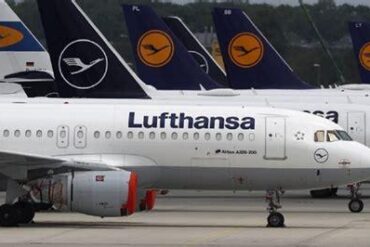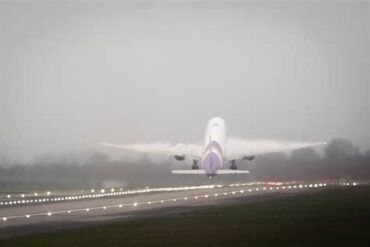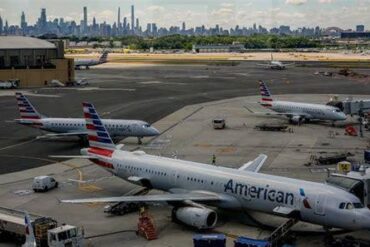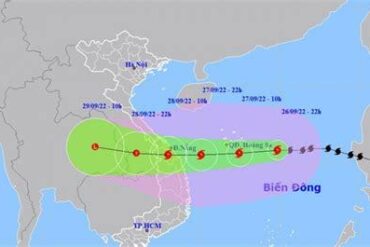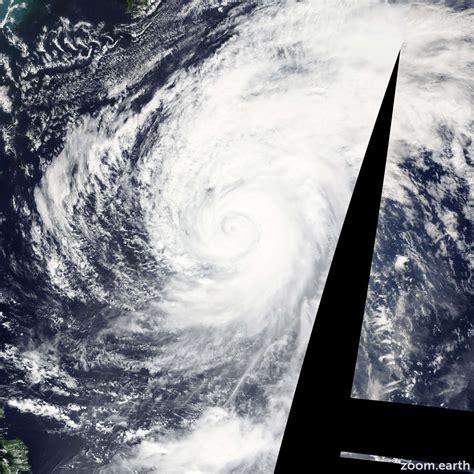
Typhoon Wipha’s devastating sweep across East and Southeast Asia has crippled air travel, with over 2,000 flights delayed or cancelled. Major carriers including Qatar Airways, Emirates, Delta, China Eastern, EVA Air, All Nippon Airways (ANA), and Korean Air were caught in the vortex of logistical paralysis, primarily affecting Hong Kong, Vietnam, China, South Korea, Japan, Taiwan, and Macau. Airports from Hong Kong International Airport to Shanghai Pudong were overwhelmed as storm-driven winds and torrential rain forced airlines to suspend operations on safety grounds, leaving thousands of passengers stranded.
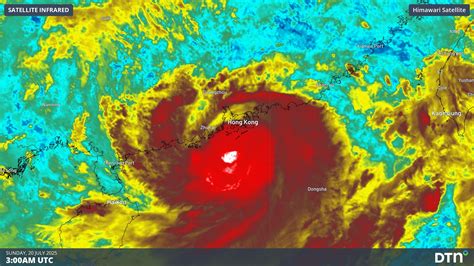
Typhoon Wipha’s Disruption: A New Benchmark in Asian Aviation Crises
The ferocity of Typhoon Wipha struck at the core of Asia’s busiest aviation corridors. In Hong Kong International Airport, 380 flights faced disruption in just 24 hours. Cathay Pacific, Hong Kong’s flagship carrier, led with 78 delayed flights and 53 outright cancellations. Hong Kong Airlines and Hong Kong Express struggled similarly, as the airport’s handling capacity was swamped by long queues, missed connections, and operational bottlenecks.
In China, the disruption was even more staggering. Across four key airports, over 1,030 delays and 85 cancellations were reported. Shanghai Pudong International Airport, a critical node for both domestic and international routes, suffered 422 delays and 28 cancellations. China Eastern Airlines, based in Shanghai, bore the brunt with 112 delayed flights and 15 cancellations at Pudong alone. Compounding this, Shanghai Hongqiao International Airport logged 177 delays and 28 cancellations, highlighting the storm’s paralyzing grip over China’s airspace.
Vietnam’s Aviation in Disarray: Airports Buckle Under Pressure
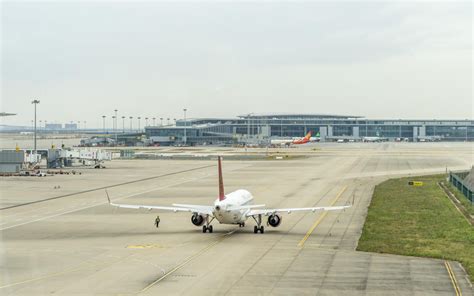
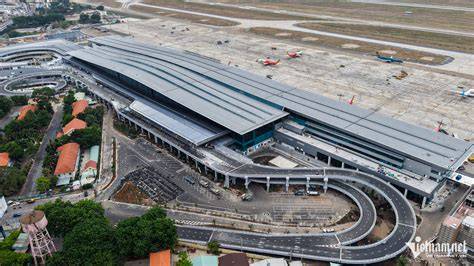
Vietnam’s Noi Bai International Airport in Hanoi, Tan Son Nhat International Airport in Ho Chi Minh City, and Da Nang International Airport recorded a combined 937 delays and 5 cancellations. National carrier Vietnam Airlines struggled to manage over 380 disrupted flights across its network. VietJet Air, another key player, was similarly affected with 370+ delays, severely disturbing Vietnam’s domestic and regional travel routes.
The sheer scale of delays in Vietnam triggered ripple effects, snarling regional connections. Airports faced overcrowding, with stranded passengers forced to wait hours with little clear communication from ground services.
South Korea, Japan, Taiwan and Macau: Widespread Regional Impact
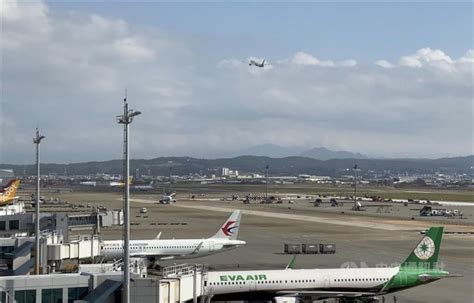
In South Korea, Incheon International Airport saw 254 delays and 1 cancellation, impacting airlines like Jeju Air, Asiana Airlines, and Korean Air. Japan’s Narita International Airport reported 121 delays and 3 cancellations, while Taiwan’s Taoyuan International Airport experienced 144 delays and 8 cancellations, most notably affecting EVA Air and Cathay Pacific.
Macau International Airport, though small in scale, faced a disproportionately high 17 cancellations and 7 delays. Airlines such as China Eastern and Air Macau were forced to ground services entirely due to severe winds battering the region.
Airlines Most Impacted: A Region-wide Paralysis
Among the airlines worst-hit by Typhoon Wipha’s wrath:
- Vietnam Airlines – Over 380 flights disrupted
- VietJet Air – Approximately 370 delays
- China Eastern – Over 200 flight disruptions across China
- Cathay Pacific – Over 100 flights impacted
- EVA Air, Korean Air, ANA, Qatar Airways, Emirates, and Delta all reported significant operational issues across multiple countries
From low-cost carriers like VietJet Air to international full-service giants such as Qatar Airways and Emirates, the typhoon inflicted damage without distinction. The common factor was geographical proximity to Wipha’s expansive impact zone, stretching from Vietnam’s coastline to Japan’s airspace.
Country-wise Breakdown: Typhoon Wipha’s Reach
The storm’s impact spanned across national boundaries, affecting the region’s major aviation centers:
- China: 1,030 delays, 85 cancellations
- Vietnam: 937 delays, 5 cancellations
- Hong Kong: 287 delays, 99 cancellations
- South Korea: 254 delays, 1 cancellation
- Taiwan: 144 delays, 8 cancellations
- Japan: 121 delays, 3 cancellations
- Macau: 7 delays, 17 cancellations
Airport Operations in Turmoil: What Travelers Faced
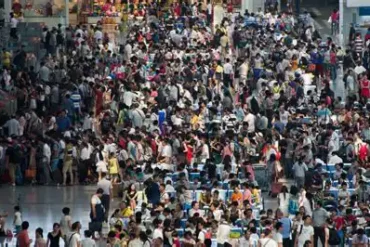
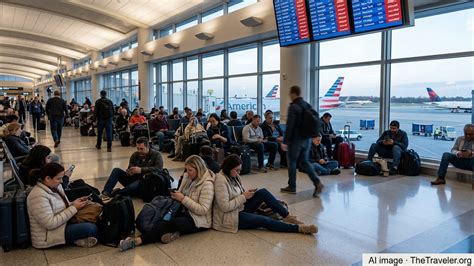
Inside terminals, passengers encountered overwhelmed lounges, long queues, scarce hotel accommodations, and limited rebooking options. Major airports like Chengdu Tianfu even briefly halted tarmac operations, exacerbating flight backlogs. Ground handling crews were stretched to their limits, while airlines struggled to communicate effectively with stranded travelers.
Many international passengers found themselves rerouted through alternative hubs or stranded for more than 24 hours awaiting next available departures. Hotel shortages forced some to sleep on terminal floors as airport capacities maxed out under the strain of continuous delays.
Why Typhoon Wipha Exposed Asia’s Aviation Fragility
The vast disruptions caused by Typhoon Wipha underscore the vulnerabilities of Asia’s aviation infrastructure. Despite advanced hubs like Hong Kong International Airport and Shanghai Pudong, regional coordination, storm preparedness, and operational flexibility proved insufficient against the storm’s sudden escalation.
In a region where airport capacities are already operating near saturation, even a single day’s disruption led to a chain reaction across routes and carriers. The domino effect of delays radiated from primary hubs into secondary airports, impacting flight operations across multiple countries simultaneously.
Moving Forward: The Need for Contingency Planning and Cross-Border Collaboration
Airlines and airport authorities will need to rethink their contingency strategies. The intensity and unpredictability of storms like Typhoon Wipha demand:
- Enhanced real-time communication systems for passengers
- Pre-emptive flight cancellations to minimize terminal overcrowding
- Cross-airport coordination to enable better rerouting
- Investment in passenger service infrastructure during weather emergencies
As climate change increases the frequency and severity of extreme weather events, the aviation sector faces mounting operational risks. The typhoon exposed how even global leaders like Qatar Airways, Emirates, and Delta can find their extensive route networks ensnared by regional meteorological crises.
Conclusion: A Storm That Grounded a Continent
Typhoon Wipha’s chaotic passage across Asia grounded airlines and overwhelmed airports from Hong Kong to Hanoi, Shanghai to Seoul, and Tokyo to Taipei. Airlines including Qatar, Emirates, Delta, China Eastern, EVA, ANA, and Korean Air were powerless against nature’s fury, with flight schedules decimated and thousands of travelers stranded. The event reaffirmed a critical truth: even in an age of sophisticated aviation systems, weather remains the ultimate disruptor.
In the aftermath of Wipha’s fury, Asia’s aviation leaders are left confronting an unavoidable reality — storms are getting stronger, and without substantial operational reforms, Typhoon Wipha will not be the last storm to bring regional air travel to a standstill.