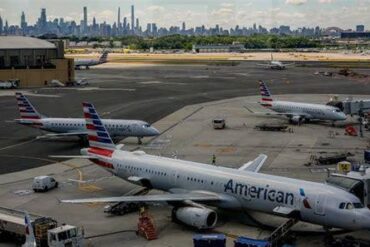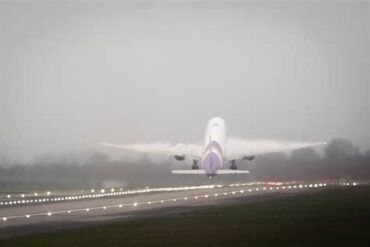
Thousands of travelers across the United States were stranded, delayed, or rerouted as the country’s four largest airlines—United Airlines, Delta Air Lines, American Airlines, and Southwest Airlines—canceled or postponed over 2,000 new flights in a chaotic 24-hour stretch. The massive disruption, which affected major hubs like Chicago O’Hare (ORD), Los Angeles International (LAX), and Denver International (DEN), paralyzed flight operations and triggered a nationwide aviation gridlock.
The Perfect Storm at U.S. Airports
The breakdown began early on Saturday, July 12, 2025, and escalated rapidly. What was forecasted to be one of the busiest travel weekends of the summer instead turned into a logistical nightmare, with thousands of flights either grounded or delayed due to an interwoven crisis of crew shortages, system overload, and inadequate airport support.
Chicago O’Hare: The Epicenter of the Chaos
Among all the affected hubs, Chicago O’Hare International Airport bore the brunt. It recorded a staggering 648 delays and 177 cancellations, with American Airlines and United Airlines leading the fallout. American canceled 53 flights and delayed 112, while United followed with 42 cancellations and 166 delays. Regional affiliates like GoJet and Envoy Air further exacerbated the scene with dozens of late flights, creating a ripple effect across the Midwest.
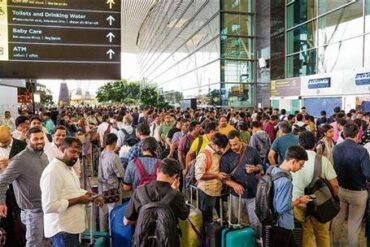
Travelers described the terminals as overcrowded, overheated, and confused, with customer service lines stretching into hours. Families with young children slept on cold terminal floors, while international tourists struggled to rebook connections due to language barriers and visa restrictions.
Denver International: A Grounded Gateway
Simultaneously, Denver International Airport experienced its own bottleneck. Data showed 428 delays and 35 cancellations in just one day. Southwest Airlines, which operates a significant number of departures from Denver, contributed 199 late arrivals. United, the airport’s largest tenant, added 102 delays and 12 cancellations.
The chaos in Denver spilled over into surrounding travel ecosystems. Many vacationers en route to Colorado’s national parks or Rocky Mountain resorts found themselves grounded. Rebooking options were scarce, with nearby hotels quickly selling out and rental car counters running dry.
LAX: Delays on the West Coast
At Los Angeles International Airport, the disruption continued with 176 delays and 18 cancellations. Once again, Southwest Airlines was the top contributor, followed closely by American and United. In LAX’s sprawling terminals, travelers missed international connections, weddings, and summer beach getaways.
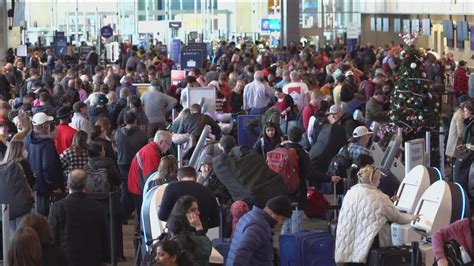
Passengers reported minimal communication from airlines, leading to growing frustration. Information screens offered little clarity, and many fliers remained uncertain if they would leave the airport at all that day. As the delays snowballed, airport lounges were overfilled, and food outlets struggled to meet demand.
Airline Accountability: The Numbers Behind the Disruption
An analysis of real-time airport data exposed the shocking scope of the nationwide failure. In a single day, the four major airlines accounted for:
- American Airlines: 108 cancellations, 682 delays
- United Airlines: 78 cancellations, 488 delays
- Delta Air Lines: 4 cancellations, 488 delays
- Southwest Airlines: 5 cancellations, 319 delays
This totaled 2,172 disrupted flights, a paralyzing blow to U.S. air mobility in peak summer season.
Ripple Effects Across the Nation
The crisis wasn’t isolated to a handful of airports. Dozens of other major hubs experienced compounding impacts:
- Boston Logan International: 366 delays, 14 cancellations
- Dallas-Fort Worth International: 326 delays, 20 cancellations
- Hartsfield-Jackson Atlanta International: 447 delays, 10 cancellations
- Philadelphia International, Newark Liberty, and Miami International also saw significant disruption
Every corner of the country—East Coast, Midwest, West, and South—was affected. From wedding parties to business travelers, millions were impacted. Gate agents, already stretched thin, faced verbal abuse and long lines, as they tried to manually rebook thousands of passengers with limited resources.
Stranded Tourists and Human Toll
Families en route to long-planned vacations found themselves camping out on terminal floors. Foreign visitors, expecting brief layovers, missed outbound flights and had to deal with border control issues, expiring visas, and reentry confusion.
Airlines were criticized for their slow response and lack of assistance. Social media filled with complaints about inadequate communication, missing hotel vouchers, and no compensation for delays. Some passengers reportedly waited over four hours just to speak to a customer service agent.
What Caused This Nationwide Breakdown?
The crisis wasn’t due to one singular cause. Instead, experts point to a perfect storm of problems:
- Airline over-scheduling amid surging summer demand
- Chronic staffing shortages in customer service, ground handling, and flight crews
- A fragile air traffic control system vulnerable to even minor weather disruptions
- Aircraft unavailability and tight turnaround schedules that left no buffer for recovery
This confluence of factors left airlines with no room to maneuver once initial delays set in. “Creeping delays”—where minor issues early in the day snowball into full-blown cancellations—played a major role in the meltdown.
Passenger Rights: What You’re Owed (and What You’re Not)
Unfortunately for stranded travelers, U.S. law provides limited recourse during such disruptions. There is no federal mandate requiring airlines to provide food, accommodation, or compensation for delays due to weather or operational challenges.
- Airlines must provide refunds for cancelled flights, but only if you choose not to travel.
- If rebooked on another flight, there’s no obligation for the carrier to offer meals or lodging.
- Hotel vouchers and meal credits are discretionary and vary by airline.
- Under the Montreal Convention, international passengers may pursue reimbursement, but only if provable damages and airline fault are involved.
Planning Ahead: How to Minimize Travel Disasters
With air travel becoming increasingly volatile, defensive planning is essential. Experts recommend:
- Book morning flights: They are statistically less likely to be delayed.
- Avoid tight connections: Always leave room between flights, especially at major hubs.
- Pack essentials in your carry-on: In case you’re stuck for hours—or overnight.
- Avoid last flights of the day: There’s a higher risk of getting stranded with no recovery options.
- Monitor airline apps: Stay updated on gate changes, delays, and rebooking options.
Travelers heading to time-sensitive events—like cruises, weddings, or international meetings—should allow at least one extra day of buffer to account for potential disruptions.
Grounding on the Tarmac: Know Your Rights
For passengers stuck on planes that don’t take off, tarmac delay rules do offer limited protections:
- Airlines cannot keep passengers on domestic flights on the tarmac for more than three hours.
- They must provide food, water, and functioning restrooms within two hours of delay.
- For international flights, the limit extends to four hours, though exceptions apply.
These delays—though legally restricted—remain psychologically draining, especially when no timeline is given.
FAA’s Silence and Industry Outlook
As of this writing, the Federal Aviation Administration (FAA) has issued no official statement on the disruption, raising questions about airspace management and emergency coordination. Analysts warn that unless airlines and regulatory agencies modernize their scheduling systems and improve contingency frameworks, these types of meltdowns will become more frequent.
The aviation industry, still recovering from COVID-era layoffs and cost-cutting, faces a summer of stress-tests. If July 12 was any indication, U.S. air travel may be entering a period of chronic instability.
Conclusion
The cancellation of over 2,000 flights by United, Delta, Southwest, and American Airlines marks one of the worst travel disruptions in recent memory. It exposed the brittleness of the U.S. aviation infrastructure, the lack of passenger protections, and the need for systemic change in how America’s carriers and airports handle peak travel periods.
As passengers slowly return to rescheduled itineraries, one thing remains clear: travelers must now expect the unexpected—and prepare accordingly.