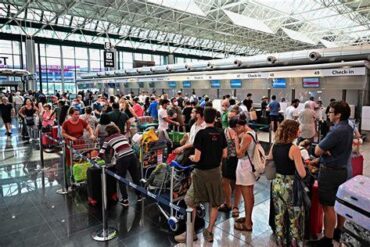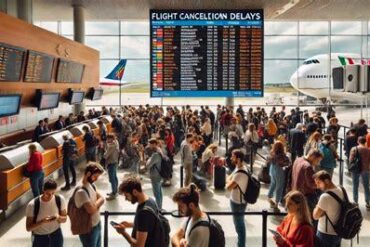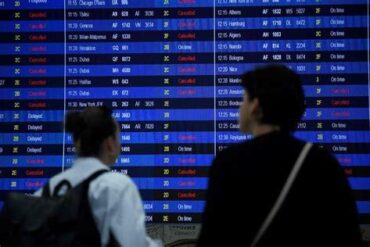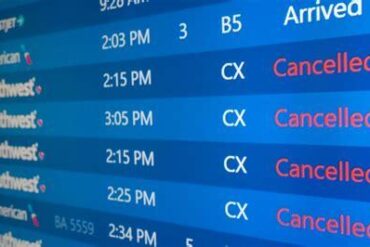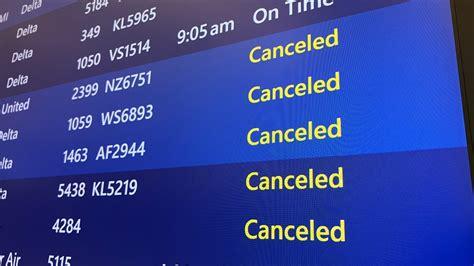
Over 160 flights faced cancellations and delays at key airports including Milan, Venice, Pisa, and Florence due to a nationwide strike that has significantly disrupted air travel across Italy. The strike, which occurred on June 20, 2025, has particularly affected major airlines such as Air France, Lufthansa, United, Turkish Airlines, Austrian Airlines, and SAS. This industrial action, driven by demands for increased public investment and a reduction in military spending, saw widespread participation from various sectors, including airport ground crews, baggage handlers, and air traffic support staff.
As travelers flock to Italy for the peak summer season, the timing of this strike has led to a chaotic scene at several airports. The frustration among passengers was palpable, with many left stranded or facing significant delays. For those attempting to fly in or out of Italy, the operational challenges were compounded by the lack of clear communication from airlines regarding flight statuses.
Milan Malpensa: The Epicenter of Disruption
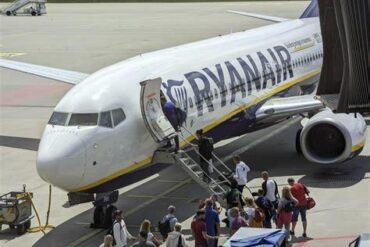
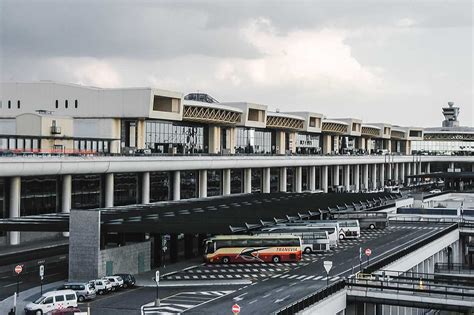
Milan’s Malpensa International Airport, recognized as one of Italy’s busiest aviation hubs, bore the brunt of the strike’s impact. A staggering 31 flights were canceled, while 58 others were delayed, affecting numerous transatlantic and regional routes. Among the cancellations, flights operated by United Airlines and American Airlines were notably affected, leading to significant inconvenience for passengers traveling to and from the United States. Budget carrier Ryanair alone reported 10 cancellations, while Austrian Airlines had to cancel nearly 40% of its scheduled departures.
Even premium airlines like Korean Air and Qatar Airways experienced delays, illustrating that the effects of the strike transcended budget constraints. Notably, easyJet, which conducts a substantial volume of short-haul flights from Malpensa, recorded 34 delayed flights, which accounted for nearly a quarter of its daily operations at the airport.
Venice Marco Polo: A Dual Challenge
At Venice’s Marco Polo Airport, the situation was no less grim. The combination of striking ground staff and air traffic control issues resulted in 19 canceled flights and 15 delays. Airlines like Ryanair and Air France were particularly hard hit, with Ryanair losing 8 flights and Air France scrapping 4. The ripple effects extended to other carriers, including Delta, Austrian Airlines, and KLM, all of which faced significant disruptions.
This turmoil came at a time when Venice, known for its picturesque canals and rich history, was welcoming thousands of tourists. The airport’s role as a primary gateway into northeastern Italy made the disruptions even more impactful, affecting both domestic and international travel plans.
Pisa and Florence: Grounded Operations
The Galileo Galilei Airport in Pisa was not spared from the chaos, recording 14 flight cancellations and 12 delays. Once again, Ryanair dominated the cancellation list, with a total of 14 flights canceled. Other affected airlines included Aer Lingus, Jet2, and easyJet, which collectively contributed to the distressing travel experience faced by passengers.
In Florence, though the Amerigo Vespucci Airport is smaller in scale, it still experienced 10 cancellations and 5 delays. Carriers like Vueling, Brussels Airlines, and Swiss were among those forced to alter their schedules, amplifying the nationwide disruption.
The Broader Impact of the Nationwide Strike
The nationwide strike, which commenced at 9 p.m. on June 19 and continued until late June 20, affected not only air travel but also Italy’s rail services. The FS Italiane rail network faced mass cancellations, with only a limited number of essential services guaranteed during peak hours. This left many travelers stranded at key transport hubs, further complicating the situation for those reliant on public transport.
Social media platforms erupted with complaints from frustrated travelers who felt abandoned at train stations with little guidance on what to do next. One traveler lamented, “It’s incomprehensible. There are hundreds of tourists here who don’t understand what is happening.” This sentiment echoed throughout various transit points in Italy, where confusion reigned.
Demands Behind the Strike: Redirecting National Funds
Organized by a coalition of grassroots unions including USB, CUB, SGB, FISI, and FLAI, the strike aimed to shift national funds from military expenditure towards crucial sectors such as healthcare, public transport, education, and workplace safety. The breadth of the industrial action highlighted the discontent among workers across both public and private sectors, showcasing how deeply rooted these issues are in the fabric of Italian society.
The disruption was not limited to airports and railways; public transport systems in major cities like Rome, Milan, and Naples also experienced significant slowdowns. In Milan, the local transport authority ATM offered only limited operations during select time windows, while Rome’s ATAC promised availability during specific morning and evening slots.
ITA Airways: Facing Its Own Challenges
Even the flag carrier ITA Airways was not immune to the strike’s repercussions. The airline canceled 34 domestic and international flights, including critical routes between Rome and Milan to London. Although some services continued to operate during protected time slots dictated by Italian labor laws, the overall impact of the strike left many passengers scrambling to rebook their travel plans or seek alternative arrangements.
Italy’s civil aviation authority, ENAC, issued reminders to travelers regarding the protected flight times during strikes, emphasizing that airlines are not obligated to provide alternatives outside these designated hours.
The Ripple Effects of Travel Disruptions
The recent strike underscores a troubling pattern for travelers in Italy, particularly as strikes are increasingly common on Fridays. The ongoing unpredictability surrounding air travel in the country has prompted concerns among both commuters and tourists. As the summer season approaches, the frequency of such disruptions raises questions about the reliability of transportation services across Italy.
Airlines and travelers alike must remain vigilant, especially as they navigate the complexities of travel during this period. Passengers are advised to double-check their flight statuses and remain prepared for further disruptions, as the situation remains fluid and subject to change.
In summary, the recent nationwide strike in Italy has served as a stark reminder of the challenges posed by industrial action in the transportation sector. As travelers prepare for a busy summer, the industry watches closely to see if further strikes will emerge, potentially impacting plans across the continent.