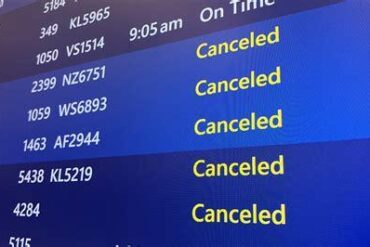
Portugal’s capital is reeling under unprecedented travel disruption as a sweeping general strike halts more than 60 flights at Lisbon Airport (LIS) today. This industrial action, the most significant the nation has witnessed in over a decade, has thrown the country’s primary aviation gateway into disarray, affecting domestic and international travel across continents.
Lisbon Airport Paralyzed by Nationwide Strike
Today’s events are unfolding against the backdrop of a nationwide general strike in Portugal, impacting not only aviation but also critical sectors such as education, public transport, and healthcare. With widespread participation and a robust mobilization effort, this is the largest strike since the summer of 2013, and the first in 12 years to involve such extensive public and private sector involvement.
TAP Air Portugal, the country’s flagship carrier, had anticipated the scale of the disruption. The airline proactively reduced its schedule to just one-third of normal operations in a bid to minimize chaos and passenger inconvenience. However, the ripple effects have proved impossible to fully contain. Other airlines with flights routed through Lisbon have also been severely impacted.
Massive Cancellations Ripple Across Europe and Beyond
The industrial action has triggered an avalanche of flight cancellations and delays that stretch well beyond Portugal’s borders. According to live data from FlightRadar24, over 60 departures have been canceled, with many more delayed, leaving passengers stranded and airport operations stretched thin.
Carriers including Ryanair, easyJet, Lufthansa, Iberia, and Air Europa have been forced to cut back their services. Air Europa has grounded all 16 of its scheduled Portugal flights, while Iberia has scrapped up to 75% of its Porto operations and 50% of its Lisbon flights.
This has triggered a domino effect across major European airports, with flights delayed or canceled in Iceland, Italy, the UK, Finland, Germany, and Sweden. Travel and Tour World reported that this has not only impacted passengers directly but also strained airport resources, further compounding the disruption.
Transatlantic and Middle Eastern Routes Disrupted
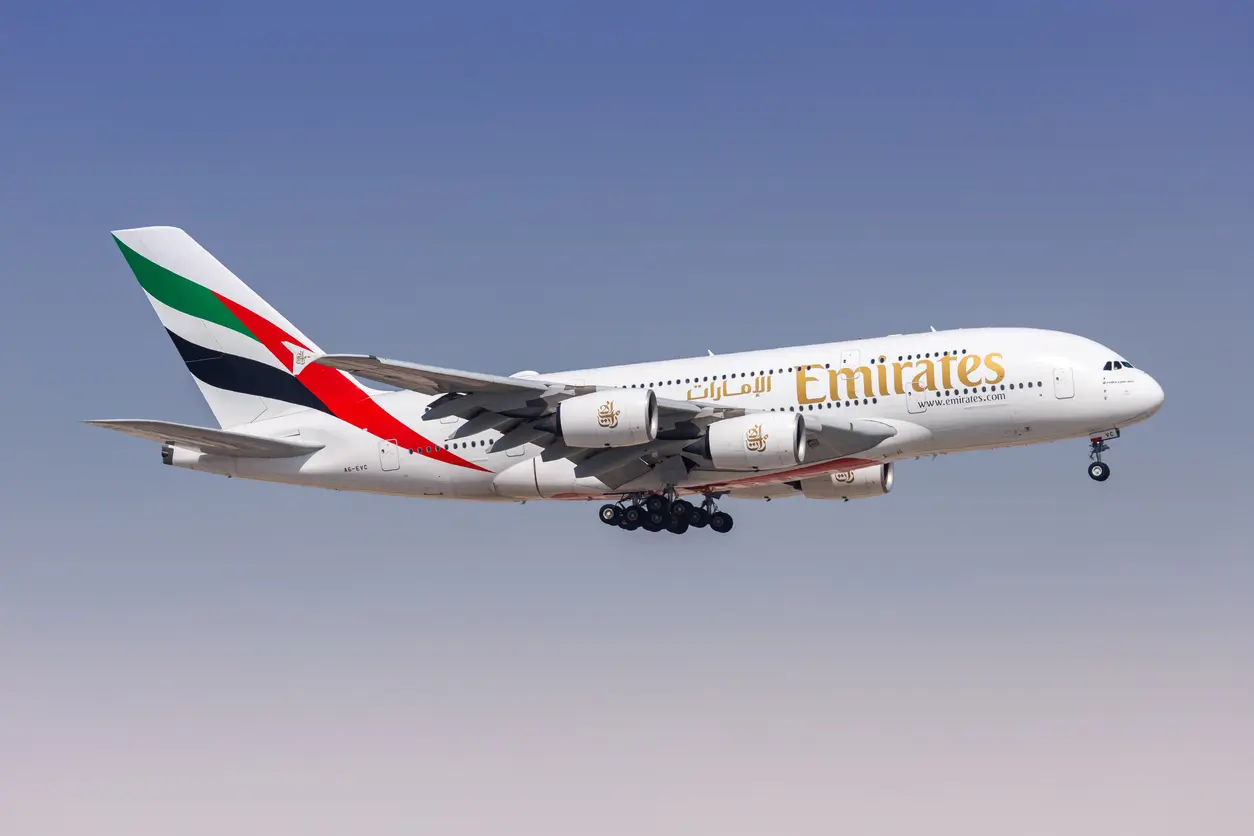
The travel chaos hasn’t spared long-haul carriers. United Airlines and American Airlines have both suspended transatlantic flights to Lisbon for the day. LATAM, South America’s leading airline, has also grounded all three of its Brazil-Portugal services. Middle Eastern giants Emirates and Etihad Airways have likewise canceled their services, leaving passengers bound for the Gulf and Asia without options.
Given the dense network of codeshares and airline alliances—notably Star Alliance, which includes TAP, Lufthansa, and United—these cancellations threaten to cascade into broader global flight disruptions, particularly in the busy transatlantic corridor.
Lisbon’s Strategic Role in Global Aviation Under Threat
Lisbon Airport has recently positioned itself as a crucial transatlantic hub, bridging North America and Europe. In 2025 alone, flights between the United States and Portugal surged by 90% compared to pre-pandemic levels in 2019. TAP’s stopover program has enhanced the city’s appeal, encouraging travelers to explore Portugal while en route to other destinations.
However, today’s events put a harsh spotlight on the fragility of this connectivity. With TAP’s ongoing privatization process, buyers such as IAG, Air France-KLM, and Lufthansa Group are circling. The outcome of this acquisition will shape not only the future of Portugal’s aviation market but also its connectivity and resilience in future disruptions.
Passengers Left Scrambling Amid Ongoing Uncertainty
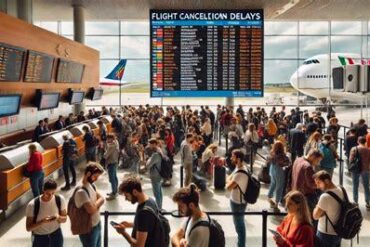
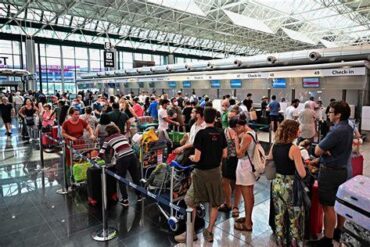
For travelers, the lack of clear alternatives has led to long queues, missed connections, and a scramble for information. Many have taken to social media to express frustration at what they describe as insufficient communication from airlines and authorities. With transportation across the country hobbled, even rebooking or reaching alternative airports has become a monumental task.
While TAP and other airlines are offering rebooking and vouchers, the scale and timing of the strike have left many with little recourse. The Portuguese government, so far, has not announced any emergency measures or travel relief packages.
As the general strike unfolds and union demands remain unmet, the aviation sector—and particularly Lisbon Airport—finds itself at the epicenter of a broader national crisis. With hundreds of thousands of passengers potentially affected across multiple continents, the day’s events may serve as a harsh reminder of the global interconnectedness—and vulnerability—of modern air travel.