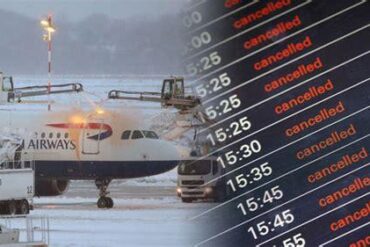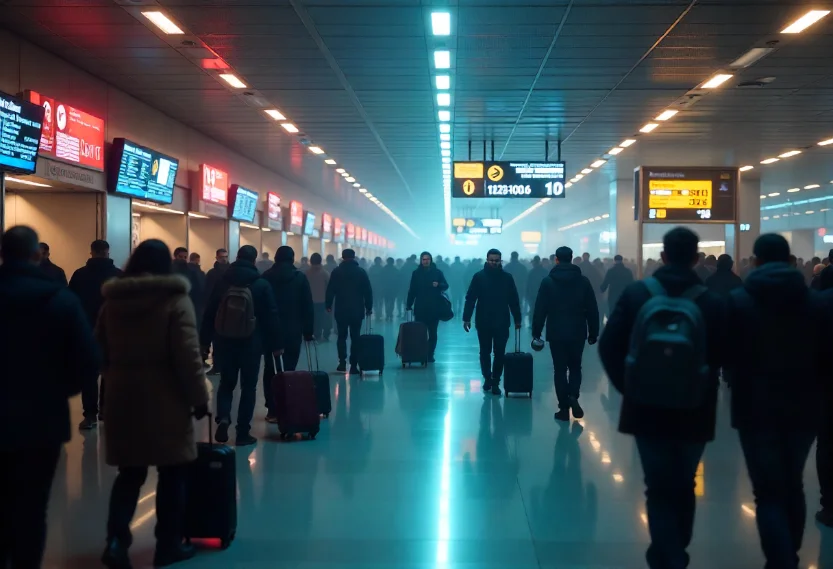
The United States experienced widespread air travel disruption on Monday, July 28, 2025, as over four hundred flights were cancelled across key airports including Newark Liberty International, John F. Kennedy International, and LaGuardia Airport. The cancellations severely impacted major carriers such as JetBlue, American Airlines, Delta, and Southwest Airlines, triggering a cascade of delays and stranded passengers across the country. A combination of severe weather conditions, staffing shortages, and technical issues proved disastrous for U.S. air traffic, leaving travelers scrambling for alternatives and exposing vulnerabilities in the nation’s aviation infrastructure.
Severe Weather and Systemic Failures Disrupt Air Travel Nationwide
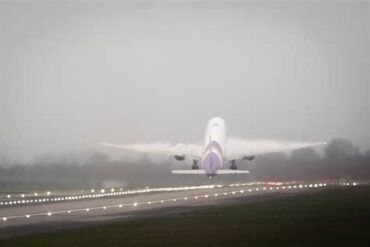
Monday’s travel chaos was triggered by an intense convergence of summer thunderstorms, lightning activity, and regional wind shear conditions that forced ground stops and throttled departure capacity at several of the nation’s busiest airports. However, what began as weather-related interruptions quickly escalated into a logistical and operational crisis due to underlying systemic issues:
- Staffing shortages among air traffic controllers and airline ground crews, exacerbated by a surge in summer travel demand.
- Technical failures in airline scheduling and flight management software, slowing down rebookings and reroutes.
- Overflowing passenger volume, leading to congested terminals and long rebooking lines.
These factors combined to cripple operations at major East Coast hubs, where even minor delays can lead to nationwide gridlocks due to the high volume of connecting traffic.
Newark Liberty International Airport Hit the Hardest
Newark Liberty International Airport reported the highest number of flight cancellations, with 117 cancelled departures, accounting for nearly 31% of all flights scheduled for the day. An additional 366 delays compounded passenger frustrations, especially for those flying with JetBlue, American Airlines, and Southwest Airlines. Destinations most affected included Orlando, Los Angeles, and Fort Lauderdale, all of which saw multiple cancelled outbound flights.
One particularly impacted route was JetBlue Flight JBU305 to Fort Lauderdale, which was grounded indefinitely. Flights operated by Republic Airlines such as RPA3617 to Milwaukee and RPA3502 to Syracuse also faced cancellations, leaving hundreds of passengers without immediate alternatives.
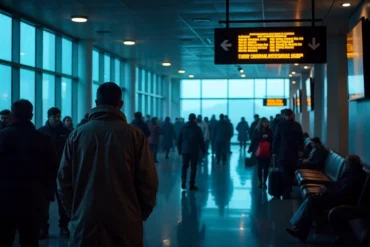
Inside Newark’s terminals, long queues formed at customer service counters, and departure boards showed a constant stream of red alerts. Some travelers waited over six hours for rescheduled flights, while others resorted to rental cars or trains to continue their journey.
JFK International Battles Ripple Effect of Cancellations
At John F. Kennedy International Airport, the situation was similarly grim, with 88 flight cancellations—roughly 22% of the day’s flights—and 309 delays snarling operations. JetBlue and American Airlines bore the brunt of disruptions here as well, affecting routes to San Francisco, Boston, and Fort Lauderdale.
Among the cancellations were JetBlue Flight JBU308 to Portland and Republic Airlines Flight RPA4659 to Boston Logan. American Airlines Flight RPA4573 to Raleigh-Durham was also scrapped, leaving travelers without clear alternatives.
Inside JFK, tension mounted as passengers struggled with limited gate agents, lagging rebooking systems, and conflicting flight information on airline apps and terminal monitors. Many travelers were observed sleeping on the floor or huddled near power outlets, waiting for updates on potential standby opportunities.
LaGuardia Suffers Major Disruptions as Travelers Fend for Themselves
LaGuardia Airport reported 60 cancellations, impacting approximately 20% of scheduled flights, and an alarming 302 delays. Flights bound for Chicago, Miami, and Atlanta were among the most disrupted. Cancellations included JetBlue Flight JBU473 to Nashville, RPA4804 to Raleigh-Durham, and Southwest Airlines Flight DAL1428 to Miami.
The cascading cancellations strained LaGuardia’s limited terminal space, and passengers attempting to rebook were frequently directed to alternate airports or told to wait for flights departing more than 24 hours later. American Airlines and Southwest passengers faced particular difficulty as gate staff dealt with overbooked replacement flights and technology outages.
The Ripple Effect Across the U.S.
While Newark, JFK, and LaGuardia experienced the most severe immediate impact, the ripple effect was felt across regional and secondary airports nationwide. Smaller hubs like Boston Logan, Raleigh-Durham, Baltimore-Washington, and Detroit Metro saw mounting delays as flights connecting through New York were grounded.
Passengers with connecting flights reported being stranded mid-journey, as missed connections in New York left them with no onward options. Airlines struggled to reassign routes, and some passengers were told that the next available seat was days away.
Major carriers affected include:
- JetBlue: Heavily impacted at all three New York airports, particularly on popular domestic routes.
- American Airlines: Suffered extensive disruptions, with numerous cancellations at Newark, JFK, and LaGuardia.
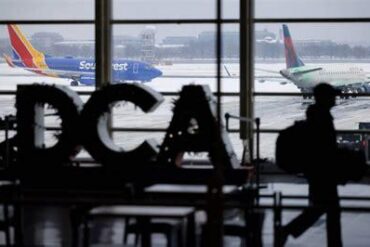
- Southwest Airlines: Significant disruptions at LaGuardia, including cancellations and long rebooking wait times.
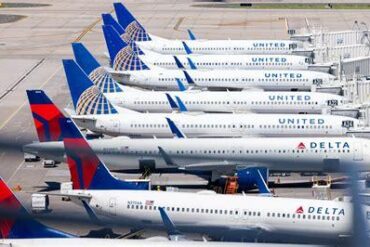
- Delta Air Lines: Experienced more delays than cancellations, but still saw considerable congestion across East Coast routes.
A Breakdown of Flight Disruptions at Major Airports
Newark Liberty International Airport
- 117 Cancellations
- 366 Delays
John F. Kennedy International Airport
- 88 Cancellations
- 309 Delays
LaGuardia Airport
- 60 Cancellations
- 302 Delays
These figures represent only a portion of the total impact, as smaller airports also saw compounding delays due to the grounded flights at these major hubs.
Behind the Numbers: A System Under Stress
While severe weather was the initial trigger, the extent of Monday’s disruption points to deeper systemic problems within the U.S. airline industry. Many carriers continue to face post-pandemic workforce shortages, particularly among pilots, gate agents, and air traffic control staff. Despite rising ticket prices and record demand for air travel, airlines are often operating with barebones staffing levels, leaving little flexibility when disruptions occur.
Additionally, the strain on airline IT systems during mass cancellations reveals critical vulnerabilities. Passengers reported app crashes, conflicting text alerts, and long delays in automated rebooking services—highlighting the need for better digital infrastructure to handle surge events.
Passenger Experience: Confusion, Chaos, and Long Waits
For the thousands of travelers caught in the middle of the turmoil, the experience was one of confusion and helplessness. Many waited in long customer service lines, only to be told that their rebooking options were limited or nonexistent. Others took to social media to vent frustrations about lack of communication, poor support, and inadequate compensation.
At JFK, one traveler recounted being given a hotel voucher that was already fully booked, while another at Newark described standing in line for three hours only to be told the next available flight was two days later. With many stranded overnight, airport lounges and public areas became makeshift shelters.
What Travelers Can Do in Future Disruptions
With such massive events becoming increasingly common, travelers are advised to take a proactive approach:
- Use Airline Apps and Notifications: Enable push alerts for flight status changes.
- Check Alternate Airports: Consider flying into or out of nearby airports.
- Bring Essentials: Always carry snacks, chargers, and basic toiletries.
- Know Your Rights: Understand airline policies on rebooking, hotel accommodations, and compensation.
Outlook: Continued Delays and Uncertainty
As airlines work to untangle Monday’s disruptions, the ripple effect is expected to last several days. Delays and limited seat availability may continue to affect passengers throughout the week. With the aviation industry under increased scrutiny, questions remain about how airlines and federal agencies will address the growing fragility of U.S. air travel infrastructure.
Until significant improvements are made in staffing, scheduling resilience, and digital customer service tools, events like this are likely to become a regular feature of peak travel seasons.