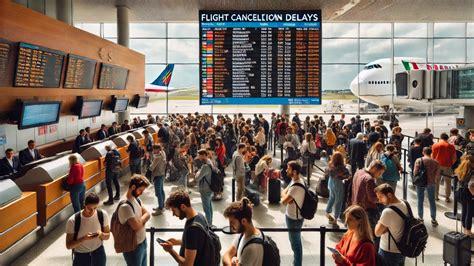
The aviation sector between the United Kingdom and Italy is bracing for a weekend of unprecedented turmoil, as Ryanair becomes the latest airline to join a swelling list of carriers—including easyJet, Wizz Air, British Airways, ITA Airways, and Volotea—warning travelers of massive disruptions tied to a nationwide strike in Italy. Set to unfold on Saturday, July 26, the strike will see thousands of airport and airline staff halt operations between 1 PM and 5 PM local time, a critical travel window during the height of Europe’s peak summer holiday season.
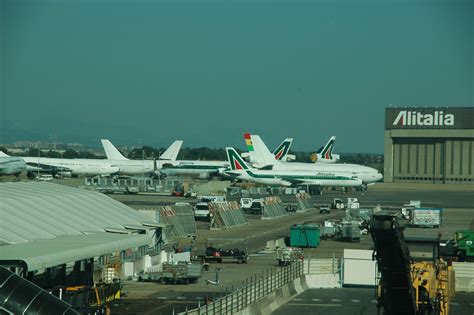
Chaos at the Crossroads of Europe: Italy’s Role as a Key Transit Hub
Italy’s aviation infrastructure serves as a strategic air traffic artery across Europe. With airports such as Rome Fiumicino, Milan Malpensa, Venice Marco Polo, and Naples International facilitating tens of millions of passengers annually, any disruption sends shockwaves through the broader European travel network. The four-hour strike may seem limited on paper, but aviation experts warn that its aftershocks will extend across the entire weekend, cascading through flight backlogs, crew scheduling conflicts, and aircraft repositioning challenges.
The strike, orchestrated by various ground staff unions, includes baggage handlers, maintenance personnel, and airport service teams. Simultaneously, a concurrent strike by Volotea’s pilots and cabin crew will exacerbate the chaos, concentrating disruption within both Italian domestic routes and short-haul international corridors, particularly those linking UK and Italian cities.
Ryanair’s Warning and the Expanding Scope of Disruptions
Ryanair, Europe’s largest low-cost airline by passenger volume, has issued an urgent alert to customers, advising them to recheck their flight status and to anticipate cancellations or rebookings. As a major operator on the UK–Italy route, with multiple daily services connecting cities like London, Manchester, Bristol, Rome, Milan, and Bologna, Ryanair’s inclusion signals just how deep the labor unrest has penetrated the European flight network.
The participation of Ryanair is particularly notable because the airline has historically sought to mitigate local labor disruptions by leveraging its cross-border fleet flexibility. However, the simultaneous withdrawal of essential ground services across Italy makes such workarounds infeasible.
British Airways, easyJet, and ITA Airways Also on High Alert
In tandem with Ryanair, British Airways, easyJet, and ITA Airways are taking preemptive actions. These include reducing scheduled capacity, offering flexible rebooking, and proactively contacting affected passengers. British Airways has confirmed operational delays for flights in and out of Rome and Milan, while easyJet anticipates disruption to at least 20% of its Italy-bound flights over the weekend.
ITA Airways, Italy’s flag carrier, is especially vulnerable, given its domestic airport reliance and interline connections with legacy airlines. The carrier has already begun consolidating flights and is expected to ground several short-haul departures, triggering ripple effects across its network.
Volotea’s Parallel Strike: A Double Blow to Italy’s Air Network
Budget airline Volotea, which has built a robust route map connecting secondary Italian and French airports, will see a parallel walkout by pilots and cabin crews, further aggravating the situation. Unlike the general ground staff strike, Volotea’s internal labor action targets management’s labor contract delays, and focuses on crew working conditions and scheduling fairness.
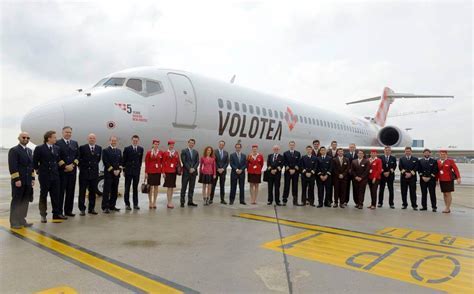
Volotea’s compact network and frequency-based schedule model means that even a small number of cancellations could strand travelers in regional hubs with limited alternative transport options, such as Verona, Bari, or Palermo.
What Passengers Can Expect: Widespread Delays, Cancellations, and Overcrowding
Passengers flying between UK and Italy this weekend must prepare for multiple levels of disruption, some visible and some systemic. The immediate fallout includes:
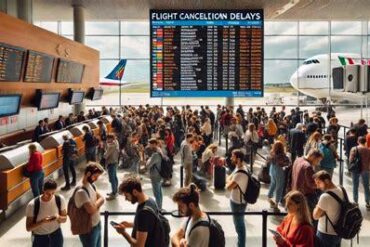
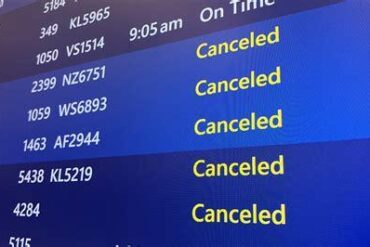
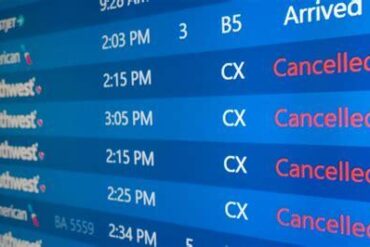
- Flight cancellations and schedule overhauls, particularly during and shortly after the 1 PM–5 PM strike window.
- Longer waiting times at security checkpoints and baggage claim, as ground staff numbers drop sharply.
- Rebookings with longer layovers or alternative transit cities, affecting those connecting through Italian airports en route to other European destinations.
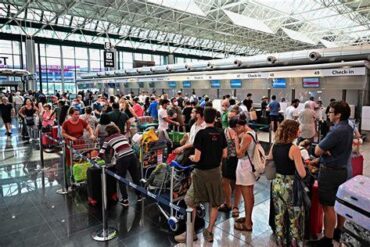
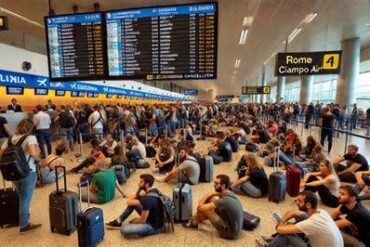
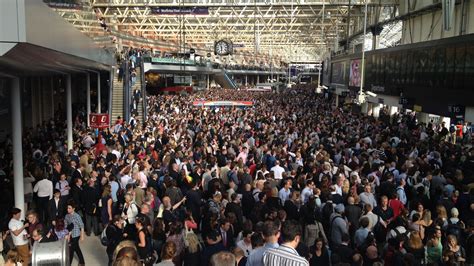
Several airports have already begun triage operations, where priority is given to long-haul or connecting flights, leaving short-haul and budget airline services most vulnerable to outright cancellation. Passenger overflow is expected in terminals, with many stranded travelers forced to sleep overnight in terminals or seek last-minute accommodations in nearby towns.
Summer Holiday Disruption Hits Families and Tourists Hardest
The timing of the strike could not be more disruptive. Falling during the start of the half-term school holidays in the UK and amid continental Europe’s summer travel rush, the strike affects not only routine business travelers but thousands of family vacationers and group tours.
Many of these passengers have carefully curated travel itineraries involving multi-destination rail passes, guided cultural tours, and non-refundable hotel bookings. The last-minute cancellations have resulted in a domino effect of scrapped reservations, missed cruises, and lost travel deposits.
The Role of Unions and the Underlying Labor Dispute
At the heart of the disruption is an increasingly volatile labor environment in Italy’s aviation sector. Unions representing ground and cabin crew cite worsening pay conditions, job insecurity, and overburdened shift schedules as key issues. The growing frequency of wildcat strikes—unannounced and spontaneous walkouts—illustrates a deepening rift between unions and management.
Despite attempts by the Italian government and airport operators to mediate, progress has stalled. Labor representatives insist that without formalized national contracts and increased staffing levels, strikes will likely continue through the summer.
Recommendations for Affected Travelers
Air travel experts, including those from AirAdvisor, recommend that passengers take the following steps:
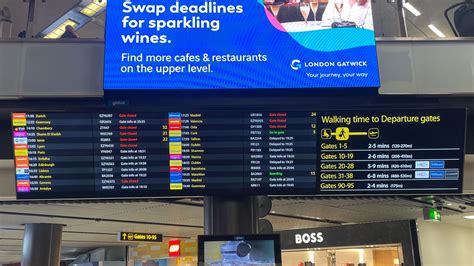
- Check flight status regularly through both airline apps and airport boards.
- Download travel apps with real-time alerts such as FlightAware or Flightradar24.
- Rebook early—don’t wait for last-minute changes; many airlines are allowing free date changes.
- Arrive early at the airport and anticipate delays in all stages of travel.
- Keep accommodation contacts handy, especially for late check-in coordination.
Passengers also have rights under EU Regulation 261/2004, which may entitle them to compensation or rebooking in the event of cancellations due to airline-controlled delays. However, strikes involving third-party workers such as baggage handlers may fall into ‘extraordinary circumstances’, making compensation less straightforward.
Broader Implications for European Air Travel This Summer
The UK-Italy strike chaos is symptomatic of a wider labor crisis in the European aviation sector. As airlines ramp up operations post-pandemic, worker shortages, high demand, and increasing industrial actions are creating fragile operational environments. With France, Germany, and Spain also seeing pockets of labor unrest, passengers across Europe could face a summer of unpredictable air travel.
For now, the focus remains on Saturday’s strike, but industry insiders are closely monitoring union negotiations for August and September, when another wave of travel demand peaks.
Conclusion: Expect the Unexpected and Plan Proactively
As Italy’s aviation workers prepare to walk off the job, travelers must brace for a weekend marked by delays, cancellations, and missed connections. With Ryanair now joining the fray, the list of affected airlines covers virtually every major operator between the UK and Italy, casting a long shadow over thousands of weekend travel plans.
Those still planning to fly should act decisively—monitor updates, secure alternative arrangements, and prepare for long waits and itinerary adjustments. While the beauty of Italy still awaits, navigating its skies this weekend will require a mix of patience, vigilance, and strategic flexibility.