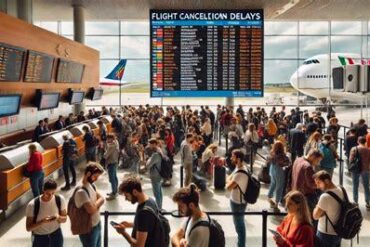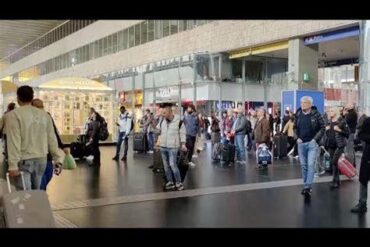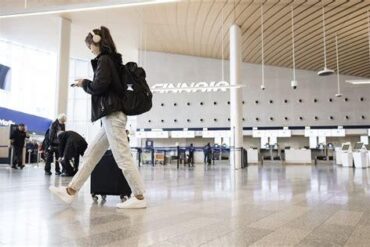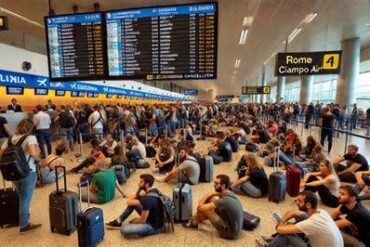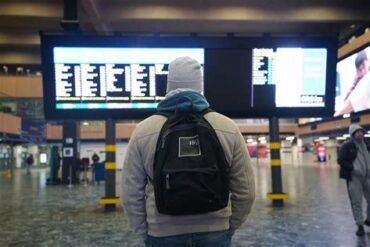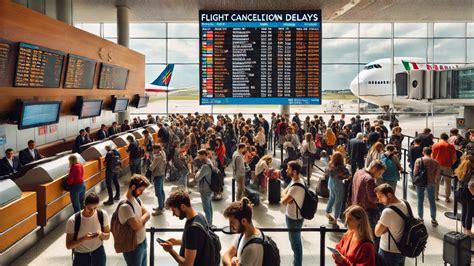
Italy’s air transport network is preparing for a significant shock on February 26, 2026, as a nationwide 24-hour aviation strike threatens to disrupt flights across the country’s busiest hubs. Travelers flying to, from, or within Italy face widespread cancellations, schedule changes, and ripple effects that could extend well beyond a single day. The industrial action, driven by stalled pay negotiations and roster harmonization disputes, places fresh strain on a sector still recalibrating after a high-profile winter of global attention during the 2026 Winter Olympic Games.
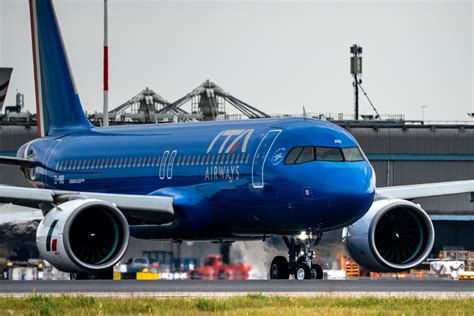
At the center of the disruption stands ITA Airways, Italy’s national airline and a key member of the SkyTeam alliance. The carrier has confirmed that it will cancel approximately 55% of its scheduled flights on February 26, a reduction that underscores both the scale of union participation and the severity of the operational impact. The strike will run from 12:01 a.m. to 11:59 p.m., effectively encompassing an entire operational day and complicating aircraft rotations, crew assignments, and passenger itineraries across multiple time zones.
The industrial action extends beyond a single airline. Pilots and cabin crew employed by easyJet in Italy are also expected to walk out, while airport ground handling staff at major hubs will stage a coordinated strike between 1:00 p.m. and 5:00 p.m. local time. The convergence of flight crew and ground operations disruptions magnifies the risk of cascading delays, even for flights technically protected by regulation.
Scope of the February 26 Italian Aviation Strike
The breadth of the strike reflects deep-rooted tensions between unions and airline management over compensation frameworks and roster alignment. Negotiations have reportedly stalled over pay conditions and harmonization issues affecting staff contracts. These disputes, while technical on paper, have tangible consequences for passengers and operational stability.
Under Italian regulations, certain “protected time bands” aim to preserve a minimum level of connectivity during national strikes. Departures scheduled between 7:00 a.m. and 10:00 a.m., as well as between 6:00 p.m. and 9:00 p.m., are shielded from cancellation in most circumstances. Additionally, the majority of long-haul services are safeguarded, limiting the strike’s impact on intercontinental travelers. Flights serving Italy’s islands are also typically protected to maintain essential links between the mainland and destinations such as Sardinia and Sicily.
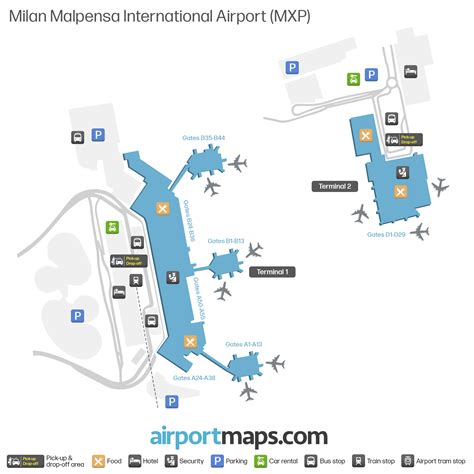
Despite these safeguards, the volume of cancellations remains substantial. Domestic and short-haul European routes are expected to bear the brunt of the disruption, particularly those operating outside the protected windows. Key bases including Rome Fiumicino Airport and Milan Linate Airport will experience the most visible operational strain.
Cancellations Before and After the Strike Day
The operational fallout is not confined to February 26. Aircraft positioning requirements and crew duty limitations have forced airlines to trim services on adjacent days. ITA Airways has already preemptively canceled 15 domestic flights on Wednesday, February 25, most of them originating from Rome and Milan. On Friday, February 27, an additional 10 flights have been removed from the schedule, including a Paris–Rome international sector alongside several domestic connections.
These buffer-day cancellations reveal the structural complexity of airline scheduling. Aircraft rarely operate a single isolated route per day; instead, they perform multi-sector rotations that link cities across Europe. When one segment is disrupted, subsequent flights may become operationally unviable due to crew legality limits or aircraft misalignment. The result is a ripple effect that stretches beyond the official strike window.
Olympic Timing and Political Intervention
The February 26 strike nearly coincided with one of Italy’s most globally visible moments. During the recent 2026 Winter Olympic Games hosted in Milan and Cortina, unions had initially targeted February 16 for industrial action. Regulatory authorities intervened, citing a “traffic freeze” implemented to safeguard mobility during the international sporting event. The postponement prevented what could have been severe logistical chaos for athletes, officials, and spectators traveling to Italy.
The symbolism is hard to ignore. Earlier this month, ITA Airways unveiled a special Olympic-themed livery on one of its Airbus A320 aircraft, promoting Italy’s role as host of the global spectacle. The juxtaposition of celebratory branding and labor unrest illustrates the tension between national image management and unresolved structural issues within the aviation workforce.
Yet the story may not end with February 26. A further strike has been scheduled for March 7, one day after the opening of the Winter Paralympics. Should that action proceed as planned, Italy’s air transport network could again face instability during another internationally significant event.
Multi-Modal Disruption: Rail and Ground Handling Impact
The aviation strike intersects with broader transport sector unrest. Reports indicate that elements of Italy’s rail industry will also be affected on February 26, complicating alternative travel plans for passengers seeking to bypass grounded flights. In a country where high-speed rail links cities such as Rome and Milan in under three hours, the rail network often serves as a safety valve during aviation disruptions. A concurrent strike narrows that escape route.
Ground handling strikes add another layer of operational vulnerability. Even flights cleared to operate within protected time bands depend on baggage handling, refueling, pushback operations, and airside coordination. A four-hour ground handling stoppage during peak midday operations increases the likelihood of rolling delays that extend into the evening schedule.
What Travelers Should Expect
Passengers should anticipate schedule changes communicated at short notice, particularly for domestic and short-haul European services. Airlines are obligated under EU passenger rights regulations to offer rebooking or refunds for canceled flights, but seat availability may tighten rapidly on protected departures and long-haul routes.
Airlines are publishing detailed cancellation lists on their websites, and proactive monitoring of booking status remains critical. Travelers connecting through Italian hubs should verify whether onward segments fall within protected windows. Even when a flight operates, airport congestion and longer processing times are plausible given reduced staffing levels.
Strategic Implications for Italy’s Aviation Sector
This strike underscores a broader recalibration underway in European aviation. Labor cost pressures, fleet modernization programs, and alliance realignments are reshaping national carriers across the continent. For Italy, whose tourism economy remains deeply intertwined with air connectivity, prolonged labor instability carries economic as well as reputational risks.
The February 26 industrial action may be limited to 24 hours on paper, but its consequences echo across schedules, financial performance, and traveler confidence. With a second walkout looming in early March, Italy’s aviation sector faces a delicate balancing act between workforce demands and operational continuity. In a nation where air travel is both a gateway for millions of visitors and a backbone of domestic mobility, the coming weeks will test the resilience of its skies.