Severe weather has wreaked havoc across Asia’s busiest aviation corridors, forcing an unprecedented coalition of major airlines—including Air China, Emirates, Cathay Pacific, SriLankan Airlines, AirAsia, Garuda Indonesia, Jetstar Asia, Korean Air, Malaysia Airlines, Saudia, VietJet Air, Thai Airways, Scoot, and Hong Kong Airlines—to act in close coordination. With over 1,600 flights affected due to torrential rain, thunderstorms, and poor visibility, this collective effort underscores both the regional interdependence of air travel and the growing urgency to mitigate climate-related disruptions in aviation.
The aviation sectors of China, Indonesia, Malaysia, Singapore, Sri Lanka, South Korea, Vietnam, Thailand, and the Middle East are now fully entangled in a web of escalating operational chaos. In response, airlines are focusing on cooperative scheduling, dynamic rebooking mechanisms, and real-time data-sharing protocols to ease passenger distress and restore stability.
Air Travel Paralyzed Across Asia’s Busiest Hubs
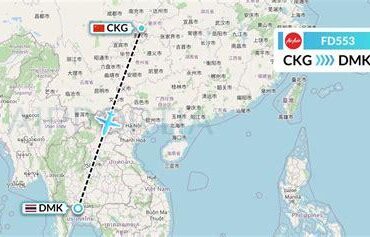
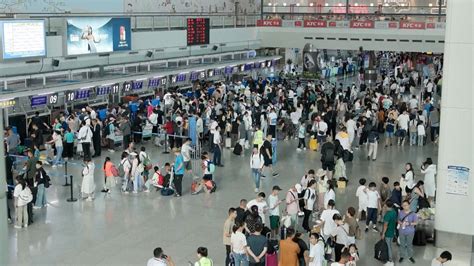
Chongqing Jiangbei International Airport, one of China’s crucial transit points, has emerged as a central casualty of the ongoing storm system. With 407 delays and 11 cancellations, operations there have become a logistical nightmare. Air China has suspended several services to Beijing and Shanghai, while Cathay Pacific has suffered bottlenecks to and from Hong Kong.
Meanwhile, Jakarta’s Soekarno-Hatta International Airport is experiencing cascading delays. Batik Air, Garuda Indonesia, AirAsia, and SriLankan Airlines have been forced to ground or reroute aircraft, resulting in 284 delays and 13 cancellations. A recent incident involving a Batik Air Boeing 737 underscores the seriousness of the conditions: high crosswinds almost led to a runway excursion, narrowly avoided thanks to expert piloting.

Shanghai, Guangzhou, and Makassar Under Pressure
Even in cities with lighter precipitation, operational disruptions have mounted due to systemic backlogs. At Shanghai Hongqiao, airlines including China Eastern, Hainan Airlines, and Spring Airlines reported dozens of delays. The hub saw 180 delays and 10 cancellations, affecting domestic travel across the country.
At Guangzhou Baiyun International Airport, the situation is more acute. Storms have stranded passengers for hours, causing 514 delays and six cancellations. Airlines have redirected flights or canceled services to mitigate congestion, but poor visibility and rain continue to threaten aircraft handling.
In Makassar, Sultan Hasanuddin Airport has endured milder weather, but 152 delays and 12 cancellations reflect the ripple effect of regional congestion. Lion Air, Garuda Indonesia, and Batik Air have all curtailed domestic operations.
International Routes in Disarray: The Ripple Spreads
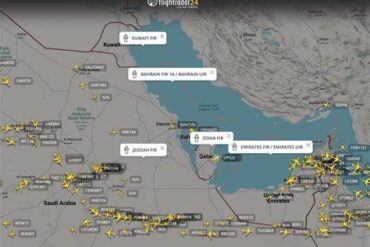
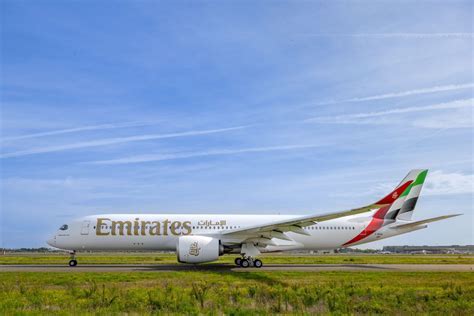
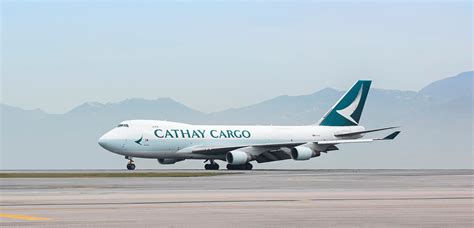
The weather-induced crisis isn’t just a local issue—it has throttled long-haul and international services across Asia and the Middle East. Emirates has seen delays from Dubai to Jakarta, Hong Kong, and Kuala Lumpur. Cathay Pacific’s routes into mainland China are snarled, with service to Guangzhou outright canceled.
SriLankan Airlines has halted connections to both Jakarta and Singapore, while AirAsia is struggling to maintain its Southeast Asian schedule. Particularly impacted are links between Kuala Lumpur, Singapore, Denpasar, and Jakarta, where heavy congestion at regional hubs is forcing reroutes and overnight layovers.
Jetstar Asia, Korean Air, and Malaysia Airlines are all reporting extended delays, especially on routes heading into China. With Incheon-Hong Kong and Incheon-Jakarta sectors delayed, even East Asia’s otherwise reliable corridors have succumbed to the weather crisis.
Severe Weather Trends and Aviation’s Vulnerability
This episode has once again highlighted the climate vulnerability of aviation infrastructure. Meteorological patterns across Asia in June and early July have been unusually aggressive, with high precipitation, strong winds, and fluctuating temperatures destabilizing scheduled airline operations.
Airports like Guangzhou Baiyun, situated in typhoon-prone areas, are particularly vulnerable. A lack of resilient infrastructure, including insufficient rainwater drainage, outdated radar systems, and under-resourced emergency response crews, exacerbates the delays. Notably, regional carriers have started discussions with government weather agencies to build joint forecasting platforms to better prepare for future events.
Airlines Forge New Crisis Alliances
In an unexpected yet highly strategic move, the affected airlines have started pooling resources. Air China has coordinated with Garuda Indonesia and Malaysia Airlines to offer multi-carrier rebooking for stranded passengers across Beijing, Jakarta, and Kuala Lumpur. Cathay Pacific and Thai Airways are testing an aligned data-sharing system for rerouted flights, enabling real-time status updates across their platforms.
Meanwhile, AirAsia, Scoot, and VietJet Air have worked to standardize compensation and rebooking policies, reducing the bureaucratic friction typically faced by cross-border travelers. These innovations signal a shift towards more unified operational models, which could become a template for future crisis management strategies in global aviation.
Passenger Frustrations, Airline Adaptations
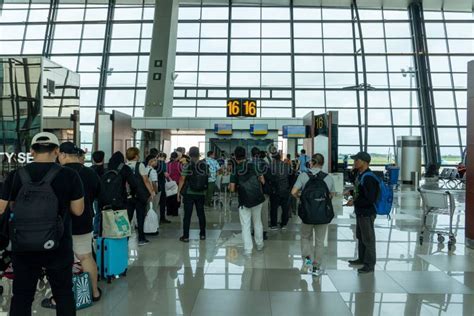
Travelers across Asia have flooded social media with complaints about unclear boarding times, missing ground staff, and app crashes. Yet, amid the chaos, airlines are adapting in real time. Most carriers now offer live WhatsApp chatbots, airport kiosks with QR-based rebooking, and even AI-assisted baggage tracking to minimize frustration.
Several airports, including Changi, Soekarno-Hatta, and Shanghai Pudong, have opened emergency passenger lounges with sleeping pods, complimentary meals, and extended visa waiver counters for international layovers.
Economic and Logistical Fallout
Beyond immediate passenger inconvenience, these disruptions carry deep financial repercussions. Analysts estimate that the cascading delays may cost airlines and airport operators over $75 million USD in refunds, maintenance fees, and rerouting costs.
Moreover, logistics carriers such as SF Express and DHL Asia-Pacific have confirmed cargo delays out of China, affecting sectors from electronics to pharmaceuticals. This secondary effect could further strain regional supply chains and impact Q3 shipping forecasts.
What Lies Ahead: Risk of Continued Disruption
Weather forecasts suggest no immediate relief. The Central Meteorological Observatory of China has warned of sustained rainfall through the first week of July, particularly in the Pearl River Delta and inland Sichuan. In Indonesia, seasonal monsoons are expected to strengthen, possibly worsening airport congestion in Jakarta, Surabaya, and Makassar.
The collective response of airlines may not resolve the situation overnight, but it sets a crucial precedent. The era of solitary airline operations during crises may be ending, replaced by an era of cooperative resilience.
Final Thoughts
The ongoing Asia aviation disruption is not just a logistical challenge—it’s a turning point. With Air China leading efforts to unite regional and global carriers, we are witnessing the emergence of a more interconnected crisis response framework for international travel. While the storm has grounded planes, it has also lifted the veil on the industry’s need for adaptive, resilient systems. If these cooperative models persist beyond this emergency, they may permanently reshape the future of air travel in the Asia-Pacific region and beyond.