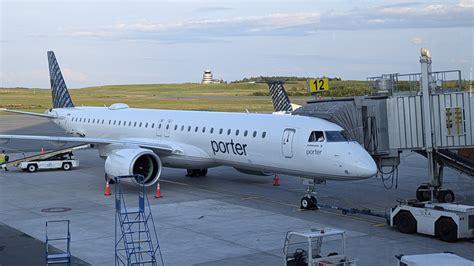
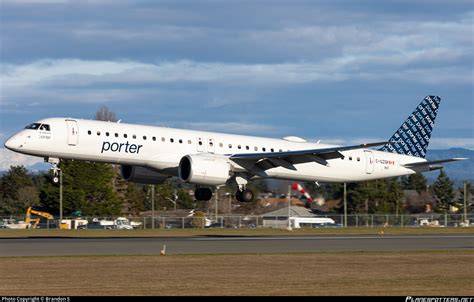
Porter Airlines flight PD444 from Victoria International Airport to Toronto Pearson International Airport was canceled after an unusual onboard safety issue involving a toddler standing in a seat caused the aircraft to miss its permitted departure window. The incident occurred on Thursday, August 6, when the aircraft had already boarded passengers and was preparing for departure.
The Embraer E195-E2 aircraft, registered as C-GKQO, had closed its doors when cabin crew noticed that a young child was standing on the seat instead of being properly secured with a seatbelt. Despite efforts from both the crew and the child’s parent to fasten the restraint, the situation could not be resolved before departure.
Because airlines are required to ensure passengers are safely secured before takeoff, the crew decided that the aircraft could not continue its departure sequence under those conditions. The aircraft returned to the terminal, allowing the child and parent to leave the flight. However, the additional time required pushed the operation beyond Victoria Airport’s strict nighttime operating restrictions.
Safety Rules Force Porter Flight to Return to Terminal
The decision to return to the gate was not related to a mechanical problem or aircraft malfunction. Instead, it was a direct result of standard aviation safety procedures. During taxi, takeoff, and landing, passengers must remain seated with seatbelts fastened because sudden aircraft movements can create serious injury risks.
Even at low altitude or while an aircraft is moving on the ground, unexpected acceleration, braking, or turbulence can cause unsecured passengers to lose balance. For smaller children, remaining properly restrained is especially important because they are more vulnerable to sudden movements inside the cabin.
The cabin crew attempted to work with the family to resolve the issue, but the child continued refusing to remain seated and secured. With no safe solution available, the crew followed operational procedures and returned to the terminal.
The delay caused by the incident added to existing boarding and departure delays. The aircraft had originally been scheduled to leave Victoria at 10:30 PM, but boarding did not begin until approximately 11:03 PM. The additional time spent addressing the seatbelt issue eventually caused the flight to exceed the airport’s allowed operating hours.
Victoria Airport Curfew Leaves Passengers Stranded Overnight
Victoria International Airport operates under a local curfew that restricts aircraft movements after 12:30 AM. These restrictions are designed to reduce nighttime noise impacts on nearby communities while balancing the needs of airport operations.
Once Porter Airlines flight PD444 passed the curfew deadline, the aircraft could no longer complete its planned journey to Toronto that night. Passengers were therefore required to remain in Victoria overnight until a new departure could be arranged.
The canceled flight was originally expected to arrive at Toronto Pearson Airport at approximately 6:04 AM after completing the four-hour nonstop journey. Instead, passengers faced a significant delay because the aircraft had to remain on the ground until operations could legally resume.
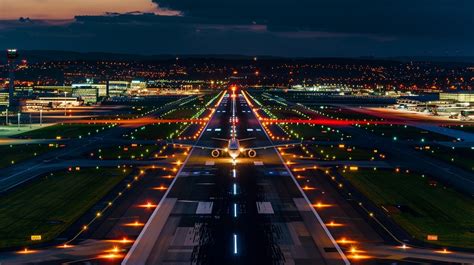
Porter Airlines apologized to affected passengers for the disruption and arranged a replacement service the following day. The rescheduled flight operated as PD1444, departing Victoria at approximately 1:34 PM on Friday and arriving in Toronto later that evening at around 8:24 PM.
It remains unclear whether the child and parent involved in the original incident traveled on the replacement flight.
Why Passenger Seatbelt Compliance Is Critical Before Takeoff
Although the situation created frustration for travelers, aviation regulations require flight crews to prioritize safety over schedule. A departure delay can inconvenience hundreds of passengers, but allowing an aircraft to take off with an unsecured passenger could create far greater risks.
Passenger seatbelts are designed to protect occupants from unexpected forces, including turbulence, sudden aircraft movements, or emergency maneuvers. Severe turbulence can occur without warning, and unsecured passengers may be thrown upward or against cabin structures.
For children, airlines often provide additional guidance and safety requirements depending on their age and size. Parents and guardians are expected to cooperate with crew instructions because flight attendants are responsible for maintaining a safe cabin environment.
In this case, the crew’s decision demonstrated how a single unresolved safety issue can affect an entire flight operation. The aircraft itself was ready to fly, but regulations prevented departure until every passenger met required safety conditions.
A Small Cabin Incident With Major Operational Consequences
The Porter Airlines cancellation highlights how interconnected airline operations can be. A short delay during boarding can quickly become a larger disruption when combined with airport restrictions, crew schedules, and regulatory requirements.
Flight PD444 was not canceled because of weather, technical problems, or staffing shortages. Instead, a child refusing to remain secured in a seat created a chain reaction that ultimately affected every passenger on board.
While the event was unusual, it reinforces a basic principle of commercial aviation: safety procedures cannot be compromised, even when delays and inconvenience follow. Airlines must follow strict rules before every departure, and airport curfews can add another layer of complexity when unexpected situations occur.
For passengers, the incident serves as a reminder that simple safety requirements, such as wearing a seatbelt before takeoff, play a crucial role in keeping modern air travel safe and reliable.