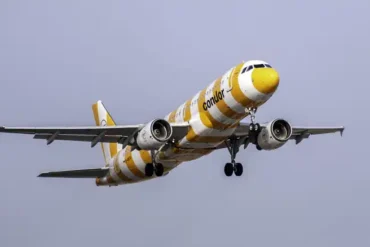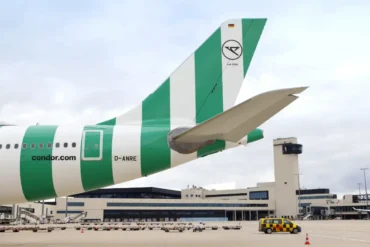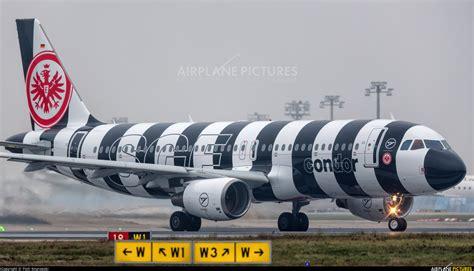
Condor flight DE1809 found itself in one of the most frustrating situations an airline crew can encounter on September 11, when its Airbus A320-214 reached the final stages of its approach to Frankfurt Airport (FRA) only to discover that the airport’s strict nighttime operating limit had expired. The aircraft had already descended to approximately 875 feet when the landing opportunity disappeared, forcing the crew to abandon the approach and divert to Cologne.
The incident was not caused by a technical malfunction, weather emergency, or runway closure. Instead, it came down to a matter of seconds on the clock. Frankfurt’s normal curfew prohibits scheduled aircraft movements after 11:00 p.m., although delayed flights can receive an extension allowing them to land until midnight under defined conditions. DE1809 arrived too late even for that extended window.
For the passengers, the consequences were considerable. A journey that should have ended in Frankfurt instead continued to Cologne in the middle of the night, followed by the challenge of arranging onward ground transportation. What makes the episode particularly striking is just how close the Condor A320 came to completing its intended flight before the curfew effectively closed the airport to it.
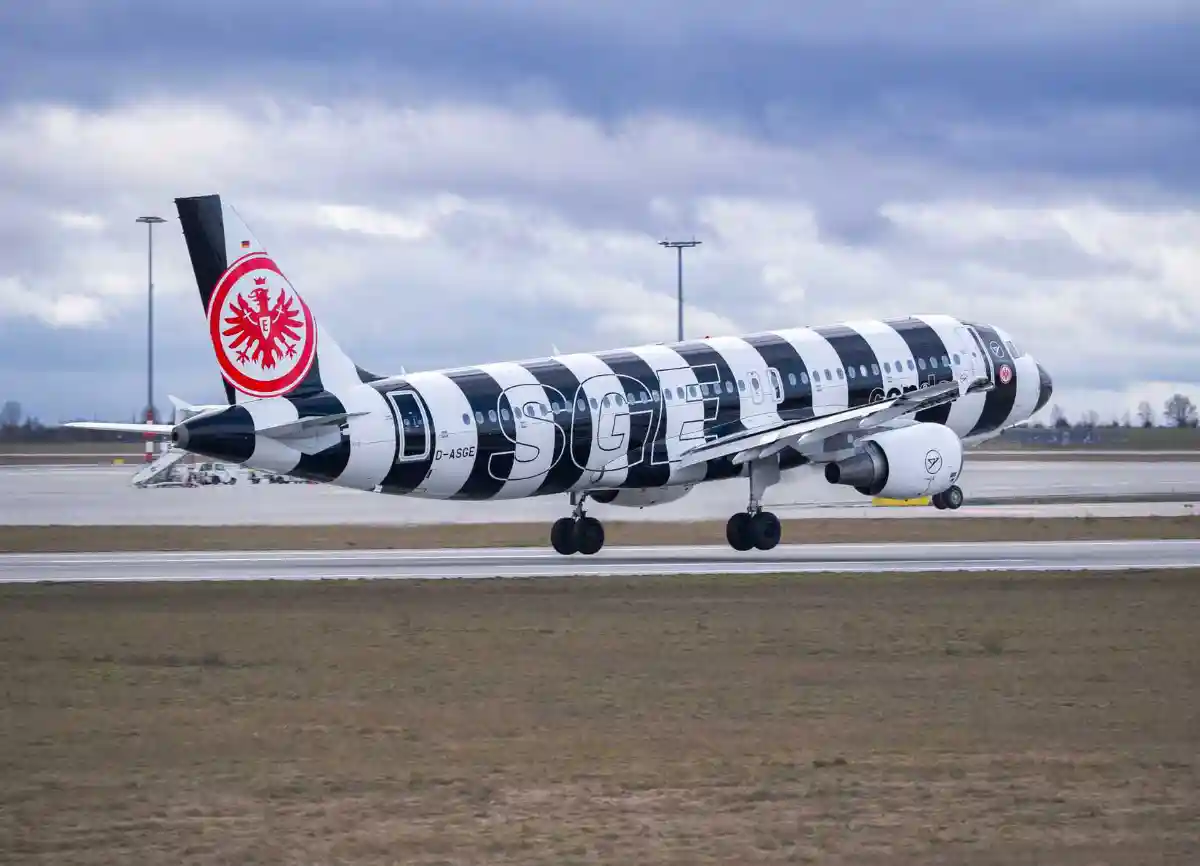
Condor DE1809 Faced an Impossible Frankfurt Curfew Challenge
The flight began at Olbia Airport (OLB) in Sardinia, where DE1809 was already running significantly behind schedule. Its planned departure was 10:15 p.m., but the aircraft did not actually leave the Italian airport until approximately 10:39 p.m. That delay of more than two hours put the flight in an extremely difficult position from the outset.
Once airborne, the mathematics were unforgiving. The extended Frankfurt arrival window was due to close at midnight, leaving the A320 only around 81 minutes to complete the journey. Public flight data indicates that DE1809’s quickest recorded time on the route was approximately one hour and 24 minutes, meaning the aircraft needed to outperform its own fastest known performance by roughly three minutes simply to reach Frankfurt before the deadline.
That distinction is important because the problem was not merely that the flight was running late. The schedule had effectively left the crew with almost no realistic margin. Even an exceptionally efficient flight, favorable winds, minimal routing constraints, and a perfectly timed approach would have offered little protection against even a small additional delay.
The A320 nevertheless pressed ahead and made remarkable progress toward Frankfurt. As the aircraft approached its destination, the situation became a race against a deadline that could not be negotiated simply because the aircraft was already airborne. By the time DE1809 reached the final approach, it had gone about as far as it possibly could.
Airbus A320 Reached 875 Feet Before Landing Was Denied
According to Flightradar24 data cited in the reference material, the Condor A320 descended to approximately 875 feet during its approach to Frankfurt. At that altitude, the aircraft was no longer casually approaching the airport; it was deep into the final stages of the landing sequence.
Yet the clock had run out.
Air traffic control could not simply authorize the landing because the aircraft was already close to the runway. Frankfurt’s curfew rules exist precisely to restrict aircraft movements during the overnight period, and once the applicable arrival window had expired, DE1809 could not complete the landing merely because it was only moments away.
The result was a go-around. Instead of continuing downward toward the runway, the A320 had to increase power, climb away from Frankfurt and begin the process of diverting to Cologne Airport (CGN). The irony was difficult to miss: an aircraft prevented from landing because of nighttime noise restrictions had to perform a go-around and then depart the area, generating additional engine noise and extending its operation significantly.
Frankfurt Curfew Rules Put the Airline’s Decision Under Scrutiny
There are two sides to the operational decision surrounding DE1809. Frankfurt’s curfew is not an arbitrary inconvenience created for a single delayed flight. Restrictions on nighttime aircraft movements exist because airports operate in densely populated environments, and residents around major airports have legitimate concerns about overnight aircraft noise.
From that perspective, allowing a late aircraft to land simply because it has already descended toward the runway could undermine the predictability of the rule. A curfew has to mean something if airlines and controllers are expected to plan around it.
However, DE1809 also exposes the tension between strict airport regulations and airline operational decisions. Condor knew the aircraft had departed Olbia with only 81 minutes remaining before the extended deadline. The airline was therefore effectively attempting a flight that historical performance data suggested was unlikely to succeed.
The decision becomes even more complicated when passenger-protection rules are considered. Canceling the flight in Olbia would potentially expose Condor to substantial obligations involving accommodation, meals and transportation for affected travelers. Keeping the aircraft moving toward Germany created at least a possibility that those costs could be avoided.
Passengers Ultimately Paid for the Operational Gamble
For the more than 180 passengers and crew aboard DE1809, the distinction between an operationally rational decision and a poor airline decision was largely academic. Their aircraft ended up at the wrong airport in the early hours of the morning.
Had Condor canceled the flight before departure, travelers could have faced an unwanted overnight stay in Olbia, potentially requiring hotels, meals and transportation. The airline would also have had to deal with the operational consequences of leaving an aircraft and crew in Italy rather than positioning them in Frankfurt for the next day’s schedule.
By continuing to Germany, Condor at least moved its passengers considerably closer to their destination. Cologne is far more useful than Sardinia for travelers trying to reach Frankfurt, even if arriving at CGN meant an unpleasant middle-of-the-night ground journey.
That creates a curious silver lining. The passengers endured additional inconvenience, but they were not stranded on an Italian island and forced to organize an entire extra night of travel. The eventual bus or ground transfer from Cologne may have been miserable, but it also moved them closer to home without requiring them to spend an additional vacation night in a tourist destination.
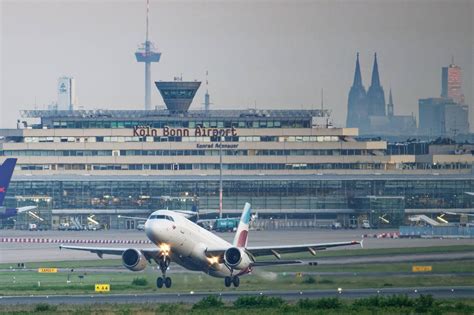
DE1809 Highlights the Limits of Airline Schedule Recovery
The Condor incident ultimately demonstrates how little room airlines sometimes have to recover from major delays once a strict airport curfew becomes the controlling constraint. An aircraft can fly faster, crews can optimize procedures and dispatchers can make aggressive operational choices, but none of those measures can guarantee that an airport will remain available after its legally permitted operating window closes.
DE1809 came extraordinarily close to landing, but proximity did not matter. At 875 feet, the A320 was physically close to the runway while being operationally too late to use it.
That is what makes the flight particularly memorable. The passengers were not hundreds of miles from Frankfurt when the plan failed. They were effectively at the final doorstep, only for the airport’s clock to close the door. For Condor, the episode raises uncomfortable questions about dispatch planning and the wisdom of attempting an arrival with virtually no historical performance margin. For passengers, it became a long night that ended at Cologne instead of Frankfurt—a vivid example of how a few seconds can reshape an entire airline journey.