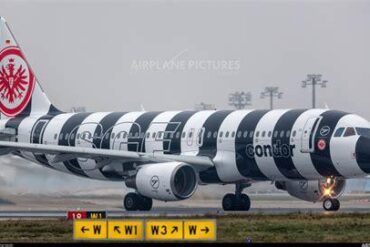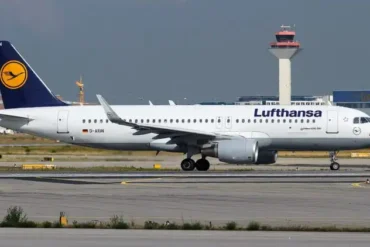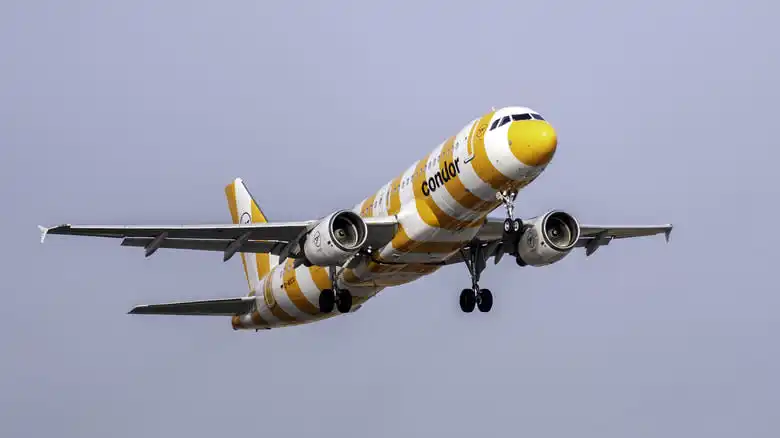
On the night of June 30, 2025, what should have been a routine flight aboard Condor Flight DE1513 turned into a stark lesson in the unforgiving precision of aviation logistics. Scheduled to land in Munich, the Airbus A321 instead found itself rerouted hundreds of kilometers away due to the airport’s immovable midnight curfew. For the passengers on board and the broader travel industry, the incident raised serious questions about operational flexibility, community policy, and the razor-thin margins airlines operate within.
A Mid-Summer Flight Becomes a Midnight Drama
Condor Flight DE1513, operated by an Airbus A321 registered as D-ATCA, departed Palma de Mallorca nearly two and a half hours behind schedule. The scheduled departure time of 8:35 p.m. slipped to 10:52 p.m. due to what initial reports described as tarmac congestion and turnaround delays—not uncommon in peak summer travel season.
As the aircraft carved its way across the night sky toward Bavaria, there was growing tension in the cockpit. The crew was aware of the strict curfew at Munich Airport, which requires aircraft to land no later than 12:00 a.m., with a rarely granted grace period extending only until 12:30 a.m. if coordinated in advance. DE1513 didn’t have that window.
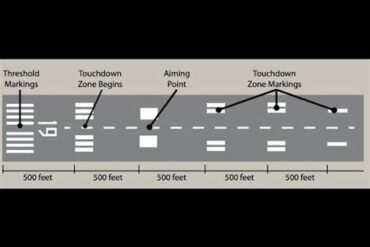
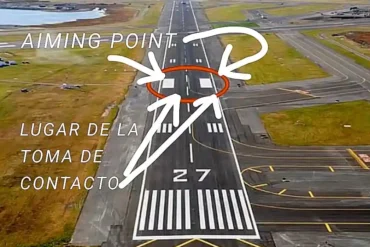
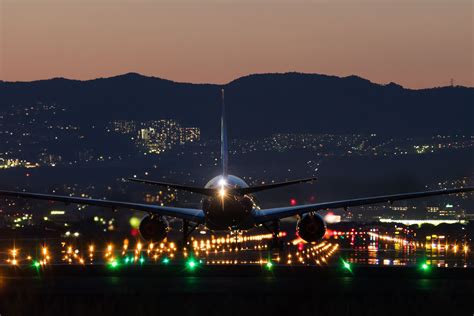
By the time the Airbus reached Runway 08R, it was precisely 12:30 a.m. It was a mere 600 meters from touching down, well within sight of the runway threshold. And yet, in one of the most vivid displays of regulation over proximity, air traffic control denied landing clearance.
The pilots, caught in the moment between approach and abort, were forced to bank away sharply from Munich and begin an unscheduled journey across Germany.
Hahn Becomes an Unlikely Destination
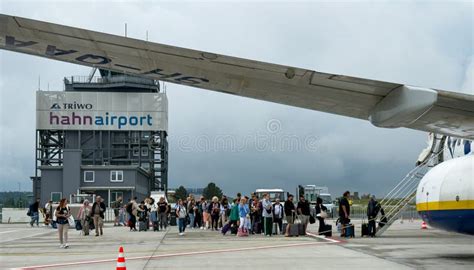
The diverted aircraft eventually found safe landing at Frankfurt-Hahn Airport, over 375 kilometers away. The time of landing: 1:13 a.m., placing passengers in a location unfamiliar, disconnected, and far from their intended destination.
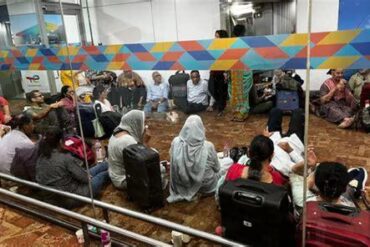
While the Airbus itself returned to Munich ahead of the passengers—an act of airline fleet necessity—the human component of the journey was far from resolved. Passengers were loaded into buses and driven to Frankfurt Airport, arriving around 4:30 a.m.. From there, they finally rolled into Munich just before 8:00 a.m., having endured a 9-hour odyssey.
The Debate Over Munich’s Rigid Curfew Intensifies
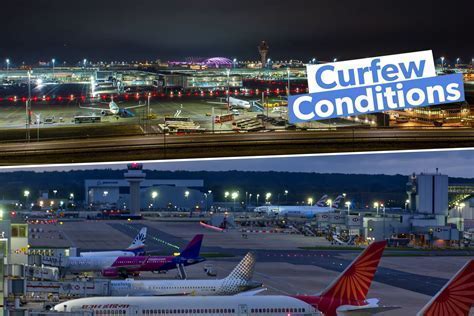
The incident sparked immediate scrutiny from within the aviation industry. While Munich Airport’s curfew has long been considered one of the most stringent in Europe, this high-profile case is now intensifying the debate over whether such inflexibility is practical in today’s global travel environment.
Supporters of the curfew maintain it is crucial for protecting the quality of life of residents in nearby communities. The ban on night landings is part of a noise abatement strategy that has become common across German airports, especially in urban centers. However, critics argue that the modern fleet of commercial jets, such as the Airbus A321, operate at far lower decibel levels than their predecessors, potentially making the policy outdated.
Moreover, delays in air travel are no longer exceptional—they’re endemic. With complex air traffic management, weather anomalies, and crew scheduling challenges, a two-hour delay is increasingly the norm, not an outlier.
Passenger Rights vs. Airline Defenses
From the travelers’ perspective, the experience was a nightmare. Families, vacationers, and business passengers were all impacted. Missed appointments, additional costs, and deep fatigue colored the entire experience. For many, the question now is: What rights do passengers have when diversions stem from curfew restrictions?
Under EU Regulation 261/2004, passengers are eligible for compensation in the event of long delays or diversions. However, airlines can contest responsibility if the disruption is due to “extraordinary circumstances”—a term often debated in legal contexts. Curfews may fall under this exemption, enabling airlines like Condor to sidestep monetary penalties. But in doing so, they risk damaging their brand trust and loyalty.
The High Cost of a Missed Landing
For Condor, the cost of Flight DE1513’s diversion went far beyond inconvenience. Redirecting to Hahn Airport involved unexpected fuel expenses, airspace fees, and airport handling costs. Bus rentals and logistics coordination added even more. The aircraft rotation was thrown off schedule, impacting subsequent flights and disrupting crew hours.
The ripple effect of one curfew-triggered diversion extends across the airline’s operations. For low-margin carriers, even a single night like this can wreak financial havoc days later.
A Pattern of Rigid Regulation in German Airspace
Germany’s aviation sector has long taken a conservative approach to curfews. Besides Munich, airports like Berlin Brandenburg, Stuttgart, and Cologne Bonn have adopted similarly restrictive night-time policies. While these are often seen as environmentally and socially responsible, they also create a patchwork of limitations that complicate airline route planning.
In contrast, airports like Frankfurt International, which allow landings under stricter criteria at night, offer more operational flexibility—though they, too, face public pressure to restrict night-time traffic. As European tourism surges back post-pandemic, the tension between urban tranquility and aviation recovery grows more pronounced.
Looking Beyond the Runway: A Policy Crossroads
The fallout from Flight DE1513 illustrates how razor-thin margins can become breaking points. The airline followed protocol. The crew tried their best. But the clock—and a law designed for neighborhood peace—triumphed over the needs of hundreds of people.
Policymakers, airport authorities, and airlines must now confront a critical question: Can there be a better balance? One where technology, sound reduction advancements, and passenger expectations are harmonized with the legitimate rights of local communities?
As global aviation leans further into artificial intelligence for logistics, real-time tracking for air traffic, and sustainable flight routes, the concept of fixed-hour curfews may become a relic. But until regulations catch up with innovation, passengers will remain at the mercy of the clock.
What Travelers Need to Know Going Forward
For travelers, the takeaway is sobering but actionable. When booking flights that arrive near midnight at any European airport—especially in Germany—it is vital to:
- Check for curfew restrictions at your destination.
- Choose earlier arrival windows when possible.
- Stay updated with airline apps and notifications.
- Maintain flexible onward travel plans in case of delays.
Though Flight DE1513’s saga is exceptional, it underscores a broader truth: Aviation success depends as much on timing as it does on technology.
Conclusion: A Missed Landing That Resonates Across the Skies
The Condor DE1513 incident stands as a case study in how modern aviation, for all its power and precision, remains vulnerable to human rules and policy edges. Just 600 meters and a handful of seconds made the difference between a smooth homecoming and a sprawling, overnight detour.
As the summer travel season heats up, Europe’s airports must evaluate whether strict curfews serve their purpose or merely introduce new risks. Until then, passengers and airlines alike will continue walking the tightrope between operational reality and regulatory rigidity.
The runway was there. The lights were on. But the gate to Munich had closed—just as the jet prepared to land.