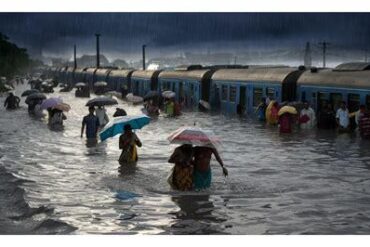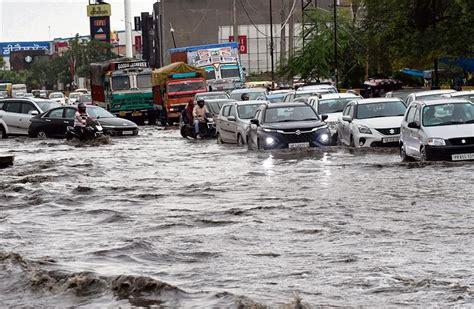
The recent downpour in Mohali has left the city grappling with severe waterlogging and traffic chaos, disrupting daily life for countless residents. Overnight, a heavy rainstorm unleashed a deluge that overwhelmed the region’s infrastructure, leading to significant flooding across various sectors. As residents awoke to submerged streets and stranded vehicles, the local government sprang into action, though the situation remained critical for hours.
The Impact of Heavy Rains on Mohali’s Infrastructure
Monsoon rains are not uncommon in Mohali, yet the intensity of this storm caught many off guard. Roads that typically serve as vital arteries for daily commutes were rendered nearly impassable due to the unprecedented accumulation of water. Key routes such as the Chandigarh-Mohali highway and several prominent city roads experienced the brunt of the flooding, resulting in severe traffic disruptions. Commuters found themselves stuck in their vehicles for extended periods, with many unable to navigate through the inundated streets.
The rainfall exceeded meteorological predictions, straining the city’s drainage systems which were already operating at capacity. Such an overwhelming volume of water led to widespread flooding in low-lying areas, highlighting significant vulnerabilities in Mohali’s urban planning and infrastructure. Local residents expressed frustration over the inadequate response times and the persistence of standing water in their neighborhoods.
Traffic Jams and Public Service Response
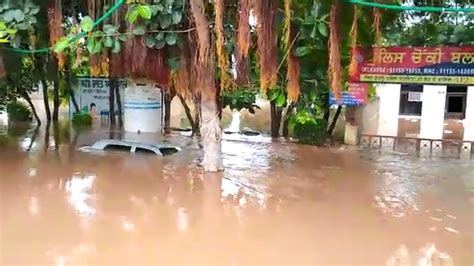
As vehicles became immobilized on flooded roads, traffic jams spiraled out of control, exacerbating the already challenging situation. Public transport services faced substantial delays, adding to commuter frustration during peak hours. The local government’s response was swift, deploying municipal teams to address the crisis. Their efforts included clearing debris, unblocking drains, and mobilizing drainage teams to mitigate the flood’s impact.
Despite these immediate actions, the sheer volume of rainfall made it incredibly difficult to restore normalcy quickly. Traffic control officers were stationed throughout the city to reroute vehicles and alleviate congestion, while emergency services remained on standby to assist those stranded in affected areas. However, even with these measures, the chaos persisted for several hours, severely disrupting daily routines.
Weather Conditions and Preparedness
The heavy rains experienced in Mohali are typical of the monsoon season; however, the scale and intensity of this particular storm were far beyond what local authorities had anticipated. Officials from the meteorological department reported that the rainfall levels surpassed the normal thresholds, exposing the inadequacies of the city’s drainage infrastructure. While some areas have historically managed similar weather patterns, the recent storm revealed a pressing need for substantial upgrades to accommodate extreme weather events.
The challenges posed by climate change have become increasingly evident, raising questions about Mohali’s preparedness for future storms. Experts have highlighted the necessity for more robust urban infrastructure that can withstand unpredictable weather patterns. Authorities have echoed these concerns, emphasizing the urgency of enhancing drainage systems to prevent the recurrence of such extensive flooding.
Looking Ahead: Managing Future Storms
The recent rainfall crisis serves as a critical learning opportunity for Mohali in terms of stormwater management. While local emergency services responded commendably during the storm, it is clear that more preventative measures must be implemented to mitigate the impact of future weather events. Steps that could be taken include:
- Improving drainage systems to handle larger volumes of water
- Implementing flood barriers in vulnerable areas
- Enhancing public awareness regarding flood risks and providing real-time updates during severe weather conditions
By focusing on these initiatives, Mohali’s local authorities aim to minimize the disruption caused by heavy rainfalls and improve traffic management in the face of future storms. The importance of proactive planning cannot be overstated as the city navigates the challenges posed by climate change and urban development.
Conclusion: The Aftermath and Ongoing Efforts
In the aftermath of the torrential rains, the citizens of Mohali continue to contend with the challenges of waterlogging and traffic congestion. However, the immediate actions taken by local authorities have played a crucial role in restoring some semblance of order amidst the chaos. As the city evaluates the damage and begins to implement improvements, enhancing infrastructure and preparedness will be paramount in ensuring that such disruptions are minimized in the future.
With ongoing investment in drainage systems and strategic flood management practices, Mohali can build a more resilient urban environment capable of withstanding the increasing frequency and intensity of storms. By prioritizing these developments, the city not only aims to enhance the quality of life for its residents but also to safeguard its infrastructure against the growing threats posed by climate change.