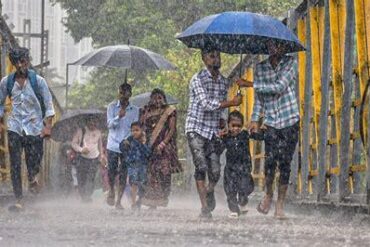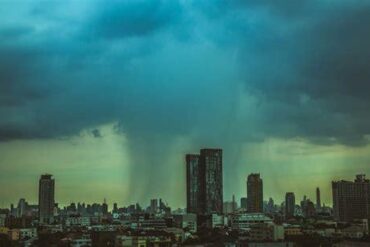
Mumbai, the financial powerhouse of India, faced a disruptive start to the week as heavy monsoon showers battered the city, flooding low-lying areas and triggering widespread delays across its transport networks. The downpour, which began early on Monday, overwhelmed drainage systems, caused massive traffic snarls, and affected airport and railway operations. The India Meteorological Department (IMD) placed Mumbai under an orange alert, indicating a high probability of intense rainfall and localized flooding. As predicted, the skies opened up, drenching the city and creating conditions that significantly hindered daily movement.
Airlines Issue Travel Warnings Amid Airport Disruptions
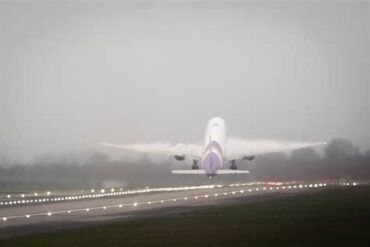
As the rain intensified and visibility dropped, airlines operating out of Chhatrapati Shivaji Maharaj International Airport (CSMIA) took precautionary measures. Major domestic carriers issued travel advisories warning passengers of likely delays and urged them to check flight updates before departing for the airport. One of the leading airlines advised its customers to leave well in advance due to slow-moving traffic and possible waterlogging en route to the airport. The advisory pointed to the need for real-time updates through the airline’s app and website to stay informed about flight changes. Another prominent airline also flagged potential delays for departures, arrivals, and connecting flights due to poor weather conditions. It recommended that passengers monitor flight schedules closely and prepare for possible disruptions to avoid inconvenience.
City Roads and Suburban Rails Under Severe Pressure
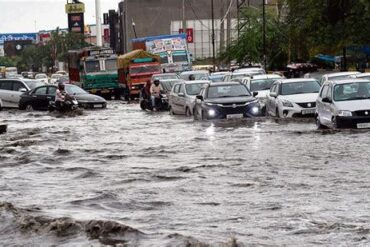
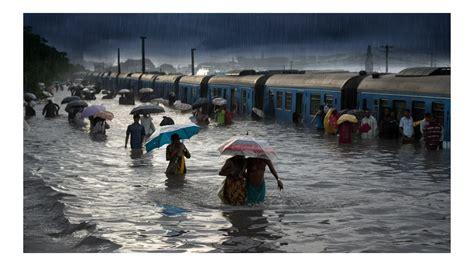
Several neighborhoods in Mumbai, especially those located in low-lying zones, experienced heavy water accumulation. Locations such as Andheri, Kurla, Sion, Dadar, and Chembur reported severe waterlogging by midday, with stagnant traffic creating a ripple effect across adjoining areas. Commuters found themselves stuck in bumper-to-bumper traffic as rainwater slowed vehicular movement and forced the rerouting of buses. Mumbai’s suburban rail services, often referred to as the city’s backbone, were also affected. Delays plagued both the Central and Western lines as tracks in certain sections became submerged. Although train services remained operational, extended intervals between services and overcrowded platforms compounded commuter difficulties.
Municipal Response Mobilized Across Affected Areas
Emergency response units of the Brihanmumbai Municipal Corporation (BMC) swung into action. Water pumps were activated across vulnerable zones, while drainage workers were deployed to clear out blocked manholes and improve water flow. Barricades were installed at waterlogged intersections, and control rooms began issuing alerts to guide residents through safer routes. Despite these efforts, the rain’s intensity temporarily outmatched the capacity of civic infrastructure. Flood-prone zones like Hindmata, Milan Subway, and King’s Circle reported rapid accumulation of water, forcing temporary road closures. Motorists abandoned vehicles in flooded areas, and traffic police diverted vehicles from submerged roads to alternate corridors. Disaster management teams were placed on standby with inflatable boats and essential gear to provide assistance in case the situation escalated further.
Wider Weather Outlook Extends Across Western India
The IMD’s forecast extended beyond Mumbai, predicting widespread rainfall across multiple states in western India. Heavy to very heavy rainfall was projected for Konkan, Goa, Madhya Maharashtra, and Saurashtra & Kutch between June 18 and 21. Meanwhile, Gujarat was expected to receive light to moderate showers, accompanied by lightning and gusty winds up to 40 km/h, between June 16 and 17. The IMD warned of isolated extreme rainfall events, with over 20 centimeters expected in parts of Konkan and Goa on June 16. Such conditions could lead to flash floods, landslides in hilly areas, and further transport disruptions across the coastal regions.
Travelers Urged to Stay Alert and Plan Ahead
In view of the worsening conditions, travel authorities and transport operators advised commuters and passengers to exercise caution and stay updated. Travelers heading to the airport were encouraged to allocate extra time for the journey, as waterlogged roads caused significant delays in reaching terminals. Flight passengers were also advised to travel light, remain informed via airline communication channels, and consider rescheduling non-essential trips if feasible. Rail travelers were urged to check online platforms for real-time train statuses, especially those commuting during rush hours. The city’s traffic department suggested avoiding routes known for chronic flooding and encouraged the use of public transport where possible. Emergency contact numbers were shared publicly, and transportation hotlines were activated to assist stranded commuters.
Recurring Monsoon Challenges Call for Long-Term Solutions
The deluge again exposed the fragility of Mumbai’s aging infrastructure when confronted with extreme weather. While authorities have implemented mitigation measures in recent years—including stormwater drainage upgrades and early warning systems—flooding remains a seasonal challenge. The city’s rapid urbanization, reduced green cover, and high population density have further complicated water runoff management. Experts have emphasized the need for improved stormwater planning, upgraded drainage systems, and resilient urban design to handle increasingly erratic weather patterns caused by climate change.
Conclusion
As Mumbai faces the arrival of the monsoon season, the recent events highlight the urgent need for better preparedness and coordination among civic agencies, airlines, and public transportation providers. With forecasts pointing to continued rain over the coming days, travelers and residents alike are being asked to remain cautious, patient, and informed. While the monsoon is a critical source of water and ecological balance, it also brings annual risks of disruption and hardship in densely populated urban areas. This season’s early downpour has already proven how quickly the city can be brought to a halt, reinforcing the need for sustainable infrastructure and collective resilience in the face of climatic extremes.