Understanding the difference between the aiming point and the touchdown point is essential for pilots aiming for safe and efficient landings. These terms may seem similar, but they serve distinct roles during the landing phase, and mastering both is key to ensuring smooth landings, even under challenging conditions.
Defining the Aiming Point and Touchdown Point
Both the aiming point and the touchdown point are integral to a successful landing, but they serve different functions. Let’s dive into the specifics of each.
Aiming Point
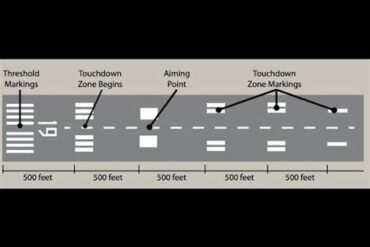
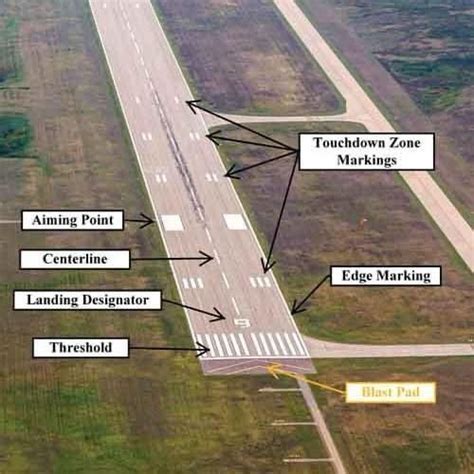
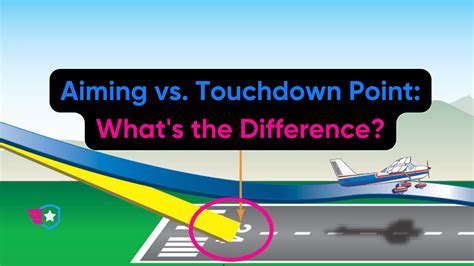
The aiming point is the spot on the runway where pilots direct their aircraft during the final approach. This is not where the aircraft will touch down, but rather where the aircraft should ideally pass if no correction is made. Typically, it’s marked by large white rectangles on paved runways. These markings are located approximately 1,000 feet from the beginning of the runway, offering a consistent visual guide. The primary purpose of the aiming point is to help pilots maintain the correct glideslope, ensuring the aircraft is on a stable descent.
Touchdown Point
The touchdown point, in contrast, is the exact location where the aircraft’s wheels make contact with the runway during the landing phase. While the aiming point is a visual guide for the correct glide path, the touchdown point marks the point of actual landing. This is a crucial moment since misjudging the touchdown point can result in dangerous situations like runway overruns. The touchdown point is not fixed, and can vary depending on several factors including aircraft weight, wind conditions, and the pilot’s approach technique.
What’s the Difference?
Understanding the distinction between the aiming point and the touchdown point is crucial to a safe landing. Here’s a closer look at how each works:
Distance and Role
The aiming point is generally positioned further from the runway’s threshold and serves as a guide to ensure the correct descent rate and glideslope. It’s the visual target for pilots to follow. The touchdown point, however, is closer to the runway’s threshold and is the actual location where the aircraft’s wheels first make contact. The two points are linked, but they are not the same.
Safety Implications
Maintaining a consistent aiming point throughout the approach ensures that the aircraft follows the proper descent angle, avoiding the risk of overshooting or undershooting the runway. Misjudging the touchdown point, however, can result in the aircraft landing too early or too late, which could lead to runway overruns or inadequate stopping distance.
Practical Scenarios
For example, in the case of a strong headwind, the aiming point remains unchanged, but the aircraft’s touchdown point may shift closer to the aiming point due to the reduced ground speed. Conversely, in a tailwind situation, the aircraft might float longer, pushing the touchdown point further down the runway.
The Role of Pilot Intentions
The pilot’s intentions significantly influence where the touchdown point will be. If the pilot is landing on a shorter runway, they may choose to land earlier to ensure there’s enough runway length for a safe stop. On the other hand, if the conditions are perfect, they might allow the aircraft to float longer before landing.
Why This Distinction Matters
Recognizing the difference between the aiming point and the touchdown point is crucial for several reasons:
- Safety: Maintaining the correct glide slope with the aiming point ensures that you are in a position to land safely, while properly judging the touchdown point ensures that you will have enough runway length to decelerate to a full stop.
- Operational Efficiency: Proper understanding of these points helps pilots better manage the aircraft’s energy, enabling smoother, more controlled landings.
- Situational Awareness: The ability to distinguish between the two points allows pilots to respond to changes in real-time, adjusting for factors like wind or runway conditions.
Mastering the Landing Technique
To harness the power of the aiming point and touchdown point, pilots must integrate them into their landing techniques. Here’s how:
Visual Reference and Scan Pattern
On some runways, there may not be dedicated aiming point markings. In these cases, pilots must choose a specific spot on the runway to act as their aiming point. For example, some pilots use the runway numbers as their reference. As they near the runway, pilots should adjust their visual focus from the aiming point to the runway’s end, improving situational awareness and preparing for the flare.
Adapting to External Factors
External factors such as wind speed and direction can alter the aircraft’s behavior during landing. In cases of strong headwinds, pilots might find that the touchdown point is closer to the aiming point. Tailwinds, on the other hand, might cause the aircraft to float longer, pushing the touchdown point further down the runway.
Perfecting the Flare
The flare is the phase of landing where the aircraft’s descent is arrested. This is the moment when the aiming point shifts to the touchdown point. During this phase, the pilot’s ability to control the flare will determine where the aircraft’s wheels touch the runway. A successful flare leads to a smooth and controlled landing at the right touchdown point.
Advanced Landing Techniques
For more complex landings, such as short-field or soft-field approaches, controlling the touchdown point is even more critical. Pilots may intentionally adjust their approach, aiming for an earlier touchdown point to ensure a safe and efficient landing. In short-field landings, for example, pilots might aim for the runway numbers instead of the standard aiming point to make use of the entire runway length.
Continuous Training and Feedback
To master the techniques of using the aiming point and touchdown point effectively, pilots must continually practice in varying conditions. Using flight simulators or receiving feedback from experienced instructors can help refine skills in handling different landing scenarios.
Touchdown Point vs. Touchdown Zone
While the touchdown point refers to the specific location where the aircraft’s wheels land, the touchdown zone is a broader area of the runway where the aircraft is intended to touch down. This zone typically extends to the first 3,000 feet of the runway and is marked by multiple rectangular white stripes.
Purpose and Role of the Touchdown Zone
The touchdown zone provides pilots with a visual reference for where they should aim to land. It helps pilots maintain control over the landing, ensuring that they touch down within a safe distance from the runway’s threshold.
Visual Indicators
The touchdown zone is usually indicated by a series of thin white stripes, allowing pilots to visually track where they should aim their landing. In contrast, the aiming point may not always have markings, but pilots can use other visual references to keep their approach stable.
Conclusion
Understanding the difference between the aiming point and the touchdown point is fundamental to mastering landings and ensuring safety. By effectively utilizing these points, pilots can improve their landing precision, adapt to changing conditions, and enhance overall flight safety. Continuous practice and feedback are essential in refining these skills, and with time, pilots can achieve smooth, efficient, and safe landings every time.