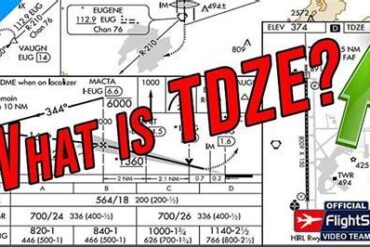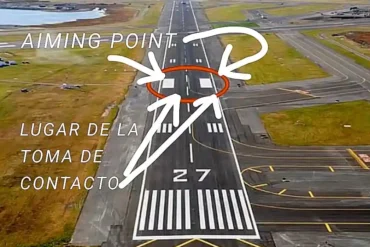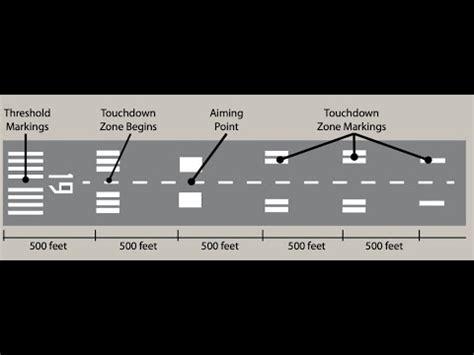
The Touchdown Zone, or TDZ, is the section of a runway where aircraft are meant to first make contact during landing. Located just beyond the runway threshold, this area is crucial for ensuring safe landings. It helps provide a safety margin in case of pilot errors or sudden altitude loss caused by windshear or turbulence.
Marked by pairs of stripes on either side of the runway centerline, the TDZ’s width and number of pairs depend on the runway’s length. For instance, shorter runways may have just one pair, while those longer than 2,400 meters can have up to six pairs. The aiming point marking, which is wider than the regular stripes, aligns with one of these pairs. Specific guidelines regarding TDZ markings, including when to implement them, their dimensions, and spacing, can be found in ICAO Annex 14, Chapter 5.
An important consideration regarding the TDZ is the issue of rubber deposits. When an aircraft lands, its tires start out not spinning, which leads to dragging. This action causes rubber from the tires to stick to the runway due to the weight of the aircraft. The rubber buildup can obscure runway markings and, when wet, create slippery areas that may lead to runway excursions. To maintain safety, rubber is regularly removed using methods like chemical solvents, high-pressure water blasting, or hot compressed air.