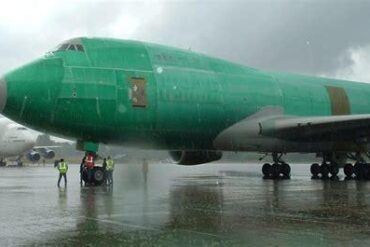
A FedEx Boeing 767-300F, flying from Kansas City to Indianapolis, experienced a disturbing green laser strike just moments before its scheduled landing at Indianapolis International Airport (IND), in the early hours of December 23, 2025. The incident, while not resulting in physical harm or damage, underscored the increasingly dangerous reality of laser interference with commercial and cargo aviation operations.
Critical Incident During Final Approach
The flight in question, FedEx 1613 (FX1613), had departed Kansas City International Airport (MCI) at 10:16 p.m. on December 22, undertaking a routine eastbound cargo run. As the aircraft began its descent into IND approximately an hour later, its cockpit was suddenly illuminated by a green laser beam. The event occurred just before touchdown, one of the most sensitive phases of flight, when pilots are fully engaged in monitoring instruments, coordinating with air traffic control (ATC), and ensuring safe alignment with the runway.
Upon being struck, the pilot immediately reported the incident to local ATC, prompting a swift check-in to assess the well-being of the crew. Fortunately, no injuries were reported, and the flight landed safely at 12:20 a.m. The swift response and professional handling by the crew prevented what could have been a disastrous event.
Anatomy of the Aircraft: N253FE ‘Max’
The aircraft involved in the incident is a newly delivered Boeing 767-300F, registered as N253FE, affectionately named ‘Max‘ by FedEx. Having only entered service in February 2025, the aircraft is equipped with two CF6-80C2B6F engines and has been a regular workhorse, ferrying cargo across the continental U.S. In the week prior to the laser strike, Max had conducted multiple intercity cargo operations, showcasing both reliability and frequency of deployment.
This aircraft has the following specifications:
- Model: Boeing 767-300F
- Serial Number: 67540
- Hex Code: A26325
- Age: 0.9 years
Following the incident, the aircraft continued its planned operations, being scheduled as FX1707 from Indianapolis to Miami at 4:07 a.m. local time — a testament to the undeterred efficiency of FedEx’s logistics network.
Real-Time Response from Air Traffic Control
Audio from LiveATC reveals the prompt coordination between the flight crew and ATC after the laser was observed. The controller immediately acknowledged the report, checked for injuries, and began alerting other incoming aircraft of the potential laser hazard. These measures are crucial in reducing the possibility of repeat incidents in the same vicinity.
It is believed the laser originated from an area near the airport, making it more dangerous due to proximity during low-altitude approach. While laser strikes are unfortunately not uncommon, occurrences near major airports can be particularly risky, and the FAA treats them with increasing severity.
Laser Strikes: A Rising Threat in the Skies
Pointing a laser at an aircraft is a federal offense in the United States, carrying penalties that include heavy fines and imprisonment. Yet, these incidents continue to rise, with thousands reported annually.
The danger lies not in physical aircraft damage, but in the visual disruption it causes. Pilots affected by a laser beam may suffer:
- Temporary blindness
- Afterimages (bright colored spots lingering in vision)
- Disorientation and distraction
- Retinal burns or long-term damage (in severe cases)
Even low-powered consumer-grade lasers can produce significant visual interference at distances of several miles, especially during low-light operations such as night landings. A pilot momentarily blinded during final approach could inadvertently make a control error, resulting in a runway excursion or missed approach — with consequences potentially affecting airport operations and ground safety.
Ongoing Investigations and Silence from Authorities
As of publication, no official statements have been released by FedEx, the Federal Aviation Administration (FAA), or the Indianapolis Airport Authority, despite outreach from aviation news outlets. Their silence is not unusual, particularly if an investigation is underway or if identifying the source of the laser is proving difficult.
Law enforcement typically relies on witness reports, aircraft crew accounts, and sometimes triangulated radar and surveillance data to locate offenders. In some jurisdictions, police helicopters have been deployed to trace laser origins in real time.
The Legal Consequences for Laser Offenders
Under Title 18, U.S. Code § 39A, knowingly aiming a laser pointer at an aircraft or its flight path is a federal crime. Offenders can face:
- Up to 5 years in prison
- Civil penalties up to $11,000 per violation
- Additional local or state-level charges
In aggravated cases where injuries are reported or the interference causes a significant disruption, charges may escalate to felony assault, reckless endangerment, or even attempted manslaughter.
These penalties reflect the seriousness of such acts. What may seem to some as a prank or a moment of mischief can have catastrophic real-world consequences, especially with aircraft often carrying hundreds of passengers or high-value cargo.
Increasing Vigilance and Community Awareness
Aviation authorities continue to emphasize public education and awareness campaigns to curb these incidents. Pilots are trained to handle laser exposure with procedures such as:
- Looking away from the beam immediately
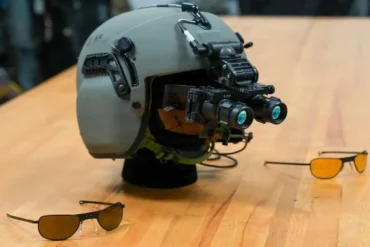
- Using protective eyewear when necessary
- Reporting to ATC with time, location, and direction
- Filing post-flight reports with FAA and local law enforcement
Community members living near airports are also encouraged to report suspicious activity, including individuals using high-powered lasers or engaging in unauthorized nighttime activity near flight paths.
Conclusion: A Cautionary Tale, Not a Catastrophe
The successful landing of FX1613 in Indianapolis marks a fortunate outcome in what could have quickly become an aviation tragedy. The incident serves as a stark reminder of the fragility of air safety in the face of preventable human interference.
As the aviation industry modernizes its aircraft, avionics, and safety systems, it remains critically dependent on public cooperation and legal enforcement to keep the skies safe. The actions of one individual with a laser pointer risk not only lives but also the stability of a vital logistics network.
It is hoped that heightened awareness, swift legal accountability, and robust coordination between pilots, ATC, and law enforcement will reduce the frequency and severity of such incidents.
Until then, the message remains clear: Never aim a laser at an aircraft. What may take seconds to do can leave lasting scars — on a retina, a career, or a city’s skyline.