In Indianapolis, the vibrant and resilient Burmese community is facing unprecedented challenges as they navigate through a landscape marked by skyrocketing costs, draconian tariffs, and the emotional toll of a travel ban affecting families from Myanmar, Thailand, and China. This article delves into the struggles of local businesses, particularly those owned by Burmese immigrants, who are grappling with plummeting profit margins and the impact of broader economic pressures.
The Burmese population in Indianapolis, estimated at around 30,000 individuals, has significantly contributed to the city’s cultural and culinary diversity. However, over the past year, many of these small businesses—ranging from restaurants to grocery stores—have witnessed their profit margins shrink drastically, from approximately 35% to a mere 10%. This alarming decline can largely be attributed to sharp increases in the prices of essential items such as rice, spices, and various other staples, which have surged by as much as 40% due to rising tariffs and disruptions in global shipping channels.
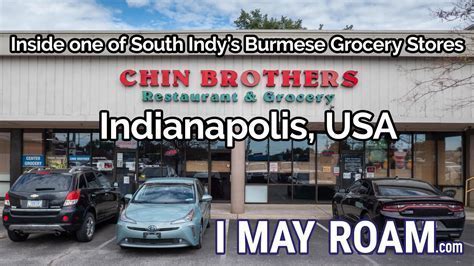
As local business owners face this financial crunch, they are left with a difficult choice: either raise prices, potentially alienating loyal customers, or absorb the escalating costs, which further erodes their already thin profit margins. For instance, Chin Brothers Restaurant & Grocery, a family-run establishment, has resorted to ordering products in smaller quantities to manage costs effectively. They now purchase goods by the box rather than by the pallet, demonstrating a strategic pivot to navigate this economic crisis.
Compounding these financial pressures is the emotional strain stemming from the travel ban imposed on Myanmar. This ban has resulted in a near-total halt to immigration from the country, including family reunifications and student visas. As a result, families are left divided, with many struggling to maintain communication due to frequent internet blackouts in Myanmar. This situation has left business owners like the operator of a local restaurant serving Burmese, Chinese, and Thai cuisine in a precarious position, where both emotional and financial burdens intertwine.
The impact of the travel ban is personal for many, as seen in the case of one restaurant owner whose cousin’s U.S. college visa was denied, leaving her stranded in Myanmar. This not only represents a loss of potential talent for the business but also adds to the emotional weight that owners carry as they strive to keep their operations afloat amidst overwhelming challenges.
To cope with the rising costs, many Burmese entrepreneurs are reevaluating their inventory strategies. The owner of Mommy Thai, another beloved local eatery, has faced similar difficulties. The prices of essential ingredients, such as meat and noodles, have risen sharply, forcing her to reduce menu offerings while witnessing a decline in regular customers. This mirrors a broader trend impacting the U.S. restaurant industry, which is projected to see a 7% drop in consumer spending, disproportionately affecting small businesses.
Siam Square, yet another local restaurant, has felt the pinch as well. While Thailand itself is not directly impacted by the travel ban, many staff members are Burmese refugees who worry about the safety and well-being of their families back home. The restaurant owner has had to raise menu prices multiple times this year due to increased costs for essential ingredients like garlic. Despite these adjustments, the owner remains committed to maintaining portion sizes and food quality, understanding that customer loyalty hinges on consistent dining experiences.
The combination of rising tariffs and the travel ban has created an environment where Burmese business owners struggle to thrive. The travel ban, which suspends both immigrant and nonimmigrant visas for Myanmar nationals, has dashed hopes for family reunification and educational opportunities. This situation is exacerbated by the ongoing crisis in Myanmar, where political instability and violence continue to plague the nation.
As the Burmese community in Indianapolis grapples with these multifaceted challenges, it is crucial to recognize the resilience and determination of its members. Business owners, families, and individuals alike are striving to balance soaring costs with the uncertainty of their futures. They endeavor to maintain their livelihoods while desperately trying to stay connected to loved ones across a nation torn apart by conflict.
In conclusion, the plight of Burmese businesses in Indianapolis serves as a poignant reminder of the broader socio-economic issues faced by immigrant communities in the U.S. As rising costs, tariffs, and travel bans loom large, these businesses embody the struggle for survival amid adversity. The hope remains that through community support and continued advocacy, these businesses can navigate the storm and emerge stronger, preserving not just their economic viability, but also the rich cultural tapestry they contribute to the city of Indianapolis.