The 2025 Amarnath Yatra is poised to be a transformative pilgrimage experience for millions of devotees as significant changes in travel regulations take effect. The Shri Amarnathji Shrine Board (SASB) has confirmed that helicopter travel services will be suspended during this year’s yatra, following a directive from the Jammu and Kashmir government. This decision impacts key access routes to the revered cave shrine located in the South Kashmir Himalayas, specifically the Pahalgam and Baltal routes. The government has declared these areas as no-fly zones from July 1 to August 10, 2025, encompassing all forms of aerial transport including helicopters, drones, and balloons.
This ban stems from a heightened emphasis on security in the region, particularly in light of recent events that have raised safety concerns among pilgrims. The directive, based on advice from the Union Home Ministry, aims to create a secure environment for the millions who embark on this sacred journey each year. While the decision is rooted in ensuring the safety of the pilgrims, it presents substantial challenges for many, particularly senior citizens and differently-abled individuals who have traditionally relied on the convenience of helicopter services to traverse the demanding terrain.
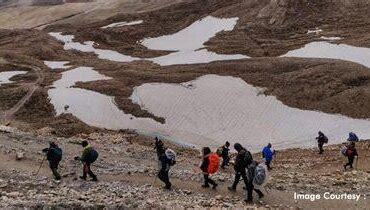
As a result of the ban, pilgrims will now be required to complete their pilgrimage on foot or utilize alternative modes of transportation, such as ponies and palkis (palanquins). This shift towards more traditional methods of travel not only increases the physical demands of the journey but also places a greater burden on those who may struggle with mobility. The Amarnath Yatra, set to commence on July 3, is not just a mere trek; it is an annual pilgrimage steeped in cultural and spiritual significance, drawing millions from all corners of India.

With the anticipated influx of devotees, the Jammu and Kashmir administration, in collaboration with the SASB, is tasked with orchestrating one of India’s largest logistical and security operations. This entails providing adequate lodging, transportation, and medical facilities along the entire route, ensuring that every pilgrim has access to necessary resources. The upcoming yatra will also mark the first since the tragic terror attack on April 22, which claimed the lives of 25 tourists and a local pony handler, intensifying the need for rigorous security measures.
The recent security threats have prompted the government to implement enhanced protective measures for pilgrims participating in the yatra. As preparations unfold, officials are keenly focused on maintaining a smooth and secure experience despite the new challenges posed by the helicopter travel ban. The SASB and local authorities are optimistic about the resilience of the pilgrims, encouraging them to embrace the spiritual essence of the journey rather than the conveniences of modern transport.
The restriction on helicopter services marks a significant departure from previous years when aerial travel facilitated quicker access to the shrine, especially for those with health concerns or physical limitations. Nevertheless, the SASB emphasizes that traditional travel methods like walking and using ponies are not only integral to the pilgrimage experience but also help preserve its sanctity and spiritual nature. The board remains hopeful that pilgrims will adapt to these changes, viewing the journey as a profound spiritual endeavor rather than merely a physical challenge.
The Amarnath Yatra holds strategic importance within the spiritual and cultural landscape of India, symbolizing devotion, resilience, and the unwavering commitment of millions to seek blessings at one of the holiest shrines. Despite the potential disruptions caused by the absence of helicopter services, the authorities are diligently working to minimize any adverse effects on the pilgrimage experience. Comprehensive arrangements for emergency services, medical support, and crowd management are being meticulously planned to tackle the challenges presented by the ban.
Pilgrims can expect to encounter a range of services and facilities designed to support their journey. Medical camps, food stalls, and resting areas will be strategically placed along the routes to cater to the needs of devotees. The SASB, alongside local government agencies, is committed to ensuring that all participants receive the care and assistance they require throughout the pilgrimage. With the security landscape evolving amid changing geopolitical concerns, these efforts are crucial in fostering a safe and orderly pilgrimage environment.
As the 2025 Amarnath Yatra approaches, anticipation builds among devotees, many of whom view this sacred journey as a rite of passage. While the challenges posed by the helicopter travel ban are significant, the spirit of devotion and community among the pilgrims is expected to shine through. For many, the experience will transcend physical hardships, embodying a powerful testament to faith and resilience.
In conclusion, the 2025 Amarnath Yatra stands at a crossroads, balancing the need for enhanced security with the preservation of spiritual integrity. The challenges ahead may be formidable, but they also present an opportunity for pilgrims to reconnect with the essence of their faith, embracing the arduous journey as a means of deepening their spiritual connection to the divine.