The Kailash Mansarovar Yatra has officially recommenced through the Sikkim route, marking a significant milestone after a five-year hiatus caused by the global pandemic and evolving geopolitical dynamics. The departure of the first group of pilgrims from the high-altitude Nathula Pass signifies not only the resumption of one of the world’s most sacred pilgrimages but also a profound moment for spiritual seekers eager to reconnect with their faith and traditions.
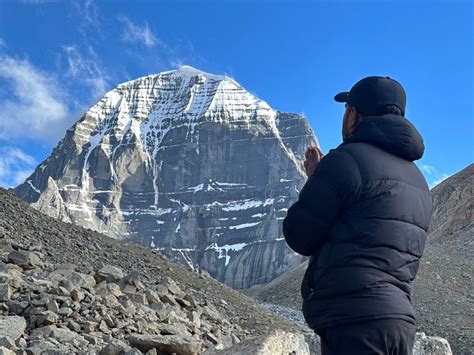
This revered journey takes pilgrims to the base of Mount Kailash and the pristine waters of Lake Mansarovar, located in the Tibet Autonomous Region. Both sites are imbued with deep spiritual significance, revered by followers of Hinduism, Buddhism, Jainism, and Bon. For countless devotees, the yatra represents a transformative experience—a passage toward peace, purpose, and a deeper connection with the divine. After years of limited movement due to health crises and restricted border access, the reopening of the Nathula route revitalizes the influx of spiritual travelers and reestablishes a vital corridor of cultural exchange between neighboring nations.
The return of this pilgrimage is a testimony to meticulous planning and preparation by various national agencies and regional authorities. Pilgrims were gathered and transported to high-altitude camps where they underwent rigorous acclimatization processes and comprehensive medical evaluations. These protocols ensured that every traveler was physically equipped to navigate the challenging terrain and conditions that soar above fourteen thousand feet. Medical personnel and border security teams meticulously verified the readiness of all participants, ensuring their safety and well-being as they advanced toward the Tibetan plateau. This operation reflects an impressive level of logistical coordination, centered on prioritizing the health and safety of those embarking on this arduous journey.
However, the Kailash Mansarovar Yatra is not merely a religious undertaking; it serves as a powerful symbol of renewed cooperation across borders. The reopening of this route underscores a mutual understanding between nations aimed at facilitating people-to-people contact through spiritual travel. It demonstrates that even amidst complex regional dynamics, sacred traditions can flourish when nurtured by trust and collaboration. The timing of the yatra’s revival is particularly poignant, as countries endeavor to restore pre-pandemic relationships and revive tourism. This journey stands as a beacon of confidence and partnership, signifying that it is not solely about reaching a holy site, but also about rekindling faith in shared cultural pathways.
As the pilgrimage resumes, essential infrastructure supporting the journey has been bolstered significantly. Enhanced access roads, upgraded base camp facilities, and improved medical support at various staging points have been established. Participants are required to acclimatize over several days to the high-altitude environment before proceeding. Comprehensive arrangements have been made concerning food, shelter, transportation, and emergency services, ensuring a high standard of care throughout the trip. Such meticulous planning reinforces the importance of the route via Nathula—not just as a spiritual path but as a strategically significant corridor. Its effective functioning may open avenues for other forms of cultural and eco-tourism in the region, fostering a sustainable tourism model that benefits local communities.
The revival of the pilgrimage is expected to yield positive economic and cultural impacts, particularly for the communities in Sikkim. An increase in visitor traffic is likely to generate opportunities for local transport providers, hospitality businesses, and allied services. This surge in tourism could cultivate long-term interest beyond the traditional pilgrimage season, promoting Sikkim as a destination rich in natural beauty and cultural heritage. Beyond its religious significance, the journey shines a spotlight on Sikkim’s tranquil landscapes and its status as a haven for spiritual exploration.
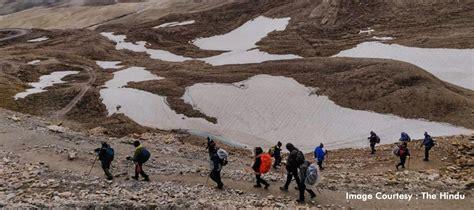
Once all necessary checks are completed, the initial group successfully crosses into the Tibetan region through the Nathula border. Immigration and travel arrangements on the Tibetan side are managed collaboratively to ensure a seamless transition for pilgrims as they approach the sacred mountain and lake. The journey ahead promises high-altitude trekking, spiritual rituals, and immersion in one of the world’s most mystical landscapes—a testament to the enduring power of belief and human endurance.
The revival of the Kailash Mansarovar Yatra via Sikkim stands as a remarkable achievement of planning, perseverance, and unwavering faith. As more groups prepare to embark in the coming weeks, the return of this pilgrimage sends a resounding message: spiritual traditions not only endure but thrive, and even after years of silence, the path to divinity can always be reopened. The world watches with anticipation as pilgrims once again traverse this hallowed ground, reminding us all of the profound connections that bind humanity across borders.