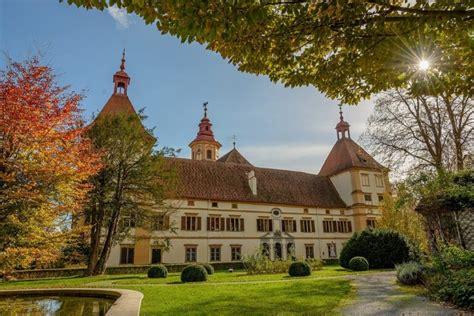
Germany’s Bavaria is on the cusp of a remarkable transformation as its illustrious castles, once the opulent playgrounds of King Ludwig II, have been officially designated as UNESCO World Heritage sites in 2025. This prestigious recognition not only amplifies the region’s cultural significance but also acts as a powerful catalyst for tourism growth, unlocking substantial investment potential that promises to reshape the landscape of European travel.
The announcement of Neuschwanstein, Linderhof, Schachen, and Herrenchiemsee as UNESCO World Heritage sites has injected fresh life into Bavarian tourism, presenting a unique opportunity for travelers and investors alike. As the world increasingly seeks authentic experiences, these enchanting castles stand out as beacons of history and artistry, beckoning visitors from across the globe.
The UNESCO Effect: A Surge in Tourism
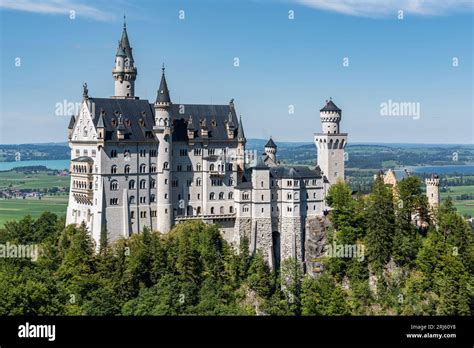
The designation as UNESCO World Heritage sites serves as an undeniable tourist magnet, with projections indicating a significant surge in visitor numbers. Neuschwanstein Castle, already a titan of tourism with approximately 1.5 million visitors annually, is poised to experience an increase of 20-30% in foot traffic as its allure as a UNESCO site becomes widely recognized. This influx of culturally-conscious travelers is expected to contribute not only to the region’s economy but also to a more sustainable model of tourism that values heritage over mere footfall.
As visitors flock to these iconic sites, they bring with them a willingness to invest in experiences that prioritize cultural richness. The romantic ties of Neuschwanstein to Disney’s Sleeping Beauty Castle amplify its appeal, solidifying its status as a top global attraction. Travelers are now more inclined to pay higher entrance fees for exclusive access and immersive experiences, which in turn fuels a sustainable revenue model that can support the ongoing preservation of these historical treasures.
Preserving Heritage: Investment in Sustainability
However, the rising tide of visitors brings with it significant challenges in terms of maintaining these historical palaces. The annual cost of upkeep exceeds €100 million, a figure projected to escalate with increasing visitor numbers. To address this financial burden, public-private partnerships (PPPs) will play a crucial role in funding preservation efforts. Germany’s €500 billion infrastructure fund, allocated over the next decade, is a vital resource for initiatives aimed at enhancing sustainability.
Innovative projects, such as installing solar panels on palace roofs and developing climate-resilient pathways at Neuschwanstein, present lucrative opportunities for investors. By engaging in sustainable heritage management, stakeholders can align their investments with the European Green Deal’s ambitious goals for responsible tourism. These initiatives not only protect the palaces but also enhance their operational efficiency, ensuring they remain attractive destinations for generations to come.
Sustainable Tourism: Balancing Growth with Preservation
In light of the potential for overtourism, Bavaria is implementing measures to carefully manage visitor numbers. The strategy focuses on providing premium experiences that are accessible only to those willing to invest in the privilege of exploring these historic sites. By promoting lesser-known attractions like Schachen Castle, the government aims to decentralize tourism, distributing visitors more evenly across the region and alleviating pressure on the most popular sites.
Bavaria’s holistic approach to sustainable tourism balances economic growth with cultural preservation. Investments in eco-lodges, enhanced transportation systems, and well-designed visitor centers serve to reduce the strain on Neuschwanstein while simultaneously enriching the overall experience for tourists. Such infrastructure developments are critical in maintaining the integrity of these UNESCO sites amidst rising demand.
Investment Opportunities: Green Bonds, Heritage Funds, and Real Estate
For investors looking to align their portfolios with Bavaria’s sustainable tourism initiatives, several avenues offer promising returns:
- Green Infrastructure ETFs: Funds such as Deka Oekom Euro Nachhaltigkeit UCITS ETF (DEK.OEKO) concentrate on environmentally sustainable companies, presenting an opportunity to invest in green infrastructure that supports heritage preservation.
- German Green Bonds: These bonds fund projects like sustainable public transit, indirectly bolstering tourism infrastructure in Bavaria. They provide a robust avenue for exposure to the region’s growth.
- Real Estate Investment Trusts (REITs): While there is currently no specific tourism REIT for Bavaria, logistics and hospitality REITs in Germany stand to benefit significantly from increased visitation driven by UNESCO recognition. These investments allow for indirect participation in the tourism sector without the need to manage properties directly.
Risks to Consider: Regulatory and Geopolitical Factors
Despite the optimistic outlook, potential risks remain. For instance, ESG funds have experienced notable outflows due to concerns over performance, necessitating careful consideration by investors to ensure alignment with long-term sustainability goals. Furthermore, regulatory uncertainties, including delays linked to ongoing discussions regarding greenwashing in the EU and the implications of the Sustainable Finance Disclosure Regulation (SFDR), present challenges for prospective investors.
Geopolitical tensions and disruptions in key tourist markets could also impact visitor flow and the overall investment potential in Bavaria. Investors must remain vigilant and adaptable to navigate these complexities effectively.
Conclusion: A Blissful Opportunity for Investors
Bavarian World Heritage sites are not merely monuments of cultural significance; they represent dynamic economic assets with substantial development potential. By investing responsibly in eco-tourism infrastructure and cultural conservation, stakeholders can tap into a burgeoning industry poised for long-term stability and profitability. Diversifying investments through ESG-themed ETFs, German green bonds, and tourism-linked REITs will enable investors to maximize their potential returns.
As these palaces ascend to global icon status, the chance to participate actively in a multi-billion-euro success story is ripe for the taking. With the right blend of investment and sustainable practices, Bavaria stands ready to redefine the European tourism landscape, drawing visitors and investors into a thriving future.