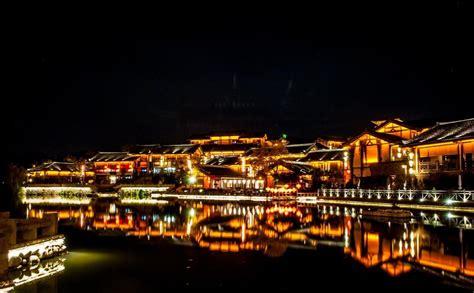
Cangzhou, a vibrant city located in northern China, is rapidly establishing itself as a premier destination for cultural tourism by successfully merging its UNESCO World Cultural Heritage and World Natural Heritage sites with innovative tourism strategies. This dynamic combination not only showcases the city’s historical and natural treasures but also positions Cangzhou at the forefront of transforming cultural travel in China. The impressive growth in visitor numbers, highlighted by a 21.34% increase during the 2025 May Day holiday, demonstrates the city’s rising appeal, with 4.049 million tourists flocking to its scenic landscapes and rich history, generating nearly 3 billion yuan in revenue, a notable 9.24% rise from the previous year.
Cangzhou’s UNESCO Heritage Sites: A Cultural Backbone
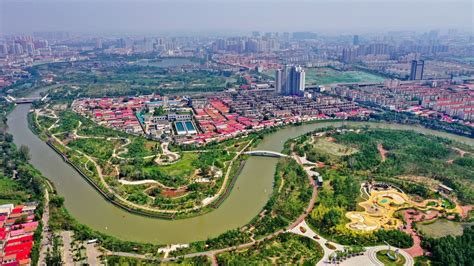
Cangzhou is distinguished not only by its picturesque scenery but also by its profound historical significance. The city proudly hosts two UNESCO heritage sites that form the backbone of its cultural tourism:
- The Cangzhou section of the Grand Canal: This ancient waterway served as a vital transport route throughout history, linking the north and south of China and facilitating trade and cultural exchange.
- Nandagang Migratory Bird Habitat: A stunning natural wonder, this wetland area provides a crucial stopover for migratory birds, enriching the biodiversity of the region and offering an ideal environment for ecological tourism.
These UNESCO heritage sites attract visitors eager to delve into Cangzhou’s past while appreciating its diverse ecosystems. The historical richness and natural beauty intertwine seamlessly, creating a unique cultural landscape that is both educational and captivating.
Revitalizing the Past: Nanchuan Ancient Street
One of the most prominent cultural attractions in Cangzhou is Nanchuan Ancient Street, which gracefully lines the historic Grand Canal. This street is not just a thoroughfare; it is a living museum showcasing the architectural beauty of the past, with:
- Restored buildings like the iconic Langyin and Nanchuan Towers.
- Retro-style structures that echo the city’s rich history and cultural heritage.
As visitors stroll along this vibrant street, they can immerse themselves in the atmosphere of bygone eras while enjoying contemporary amenities. The cultural tourism thriving here is epitomized by events such as the Second Hotpot Chicken Festival, where tourists can indulge in local delicacies, witness colorful street parades, and participate in hands-on activities that celebrate the city’s heritage. Such events not only enhance the visitor experience but also foster a deeper appreciation for Cangzhou’s cultural narrative.
A Modern Twist on Traditional Culture
Cangzhou’s innovative spirit shines through its creative integration of modern technology with traditional cultural practices. During significant festivals, such as the Dragon Boat Festival, Nanchuan Ancient Street comes alive with activities that breathe life into history. Visitors can enjoy:
- Live performances of traditional wushu-acrobatics, showcasing the city’s martial arts heritage.
- Chinese medicine wellness markets, where locals share ancient healing practices.
- Exhibitions that highlight intangible cultural heritage, offering insights into the customs and traditions that define Cangzhou.
These engaging experiences help preserve ancient practices while making them accessible and enjoyable for contemporary audiences. Cangzhou’s approach to heritage tourism ensures that visitors not only learn about the culture but also actively engage with it, creating lasting memories.
Cutting-Edge Attractions: Blending Nature with Technology
Beyond traditional cultural sites, Cangzhou is committed to providing unique experiences that blend heritage with cutting-edge technology. At the Nandagang Wetlands, the Intelligent Eco Pavilion employs sonar technology to monitor bird migrations in real time. Visitors can explore these migrations through “Bird’s-Eye View” VR simulations, allowing them to observe wildlife like never before.
Additionally, the Wuqiao Acrobatics World features a Metaverse Acrobatics Arena, where visitors can experience breathtaking aerial performances through virtual reality. These technological innovations not only appeal to a younger demographic but also enhance Cangzhou’s reputation as a destination that harmoniously marries heritage with modern advancements.
Vibrant Cultural Programming
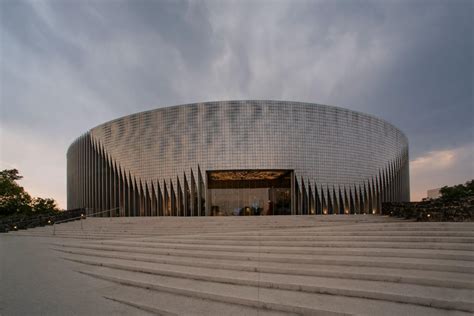
Cangzhou’s cultural tourism extends beyond historical exploration and technological experiences; the city regularly hosts a variety of dynamic events designed to engage both locals and tourists. Notable highlights include:
- Music festivals that showcase local and international talent.
- Anime conventions that attract pop culture enthusiasts.
- EDM carnivals and large-scale concerts that energize the city.
During the Dragon Boat Festival, family-friendly attractions such as the water celebration at Nandagang Wetlands and the Fairy Tale Kingdom at Wuqiao Acrobatics World provide an exciting range of activities for all ages. This diverse programming has played a significant role in Cangzhou’s emergence as a cultural destination, catering to a wide array of interests and preferences.
The Future of Cultural Tourism in Cangzhou
Looking forward, Cangzhou is poised to further expand its cultural tourism offerings. This summer, the city will unveil the “Sing Along the Grand Canal: Cangzhou Zero-Distance Music Festival – Shilixiang Night,” set to run from June to October. Held at the Dahua Industrial Heritage Site, this festival aims to attract music lovers and cultural enthusiasts from around the globe, showcasing the unique charm and vibrancy of Cangzhou.
This initiative underscores the city’s ongoing commitment to promoting cultural tourism as a significant driver of economic growth and urban revitalization. By continually investing in the preservation of its historical assets and the development of innovative experiences, Cangzhou is paving the way for a sustainable tourism model that honors its past while appealing to modern travelers.
Conclusion
In summary, Cangzhou is emerging as one of China’s most exciting cultural tourism destinations. By skillfully blending its UNESCO heritage sites with innovative attractions and forward-thinking cultural programs, the city is crafting a rich and diverse travel experience that resonates with visitors. As Cangzhou continues to invest in its cultural offerings, it stands poised to become a model for other cities aspiring to merge heritage with contemporary tourism. Through its strategic integration of cultural experiences, local traditions, and state-of-the-art technology, Cangzhou is positioning itself as a leader in heritage tourism and setting new standards for what cultural tourism can achieve.