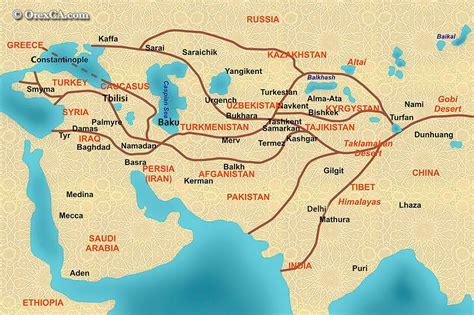
China and Central Asia are embarking on a transformative journey, revolutionizing global tourism by forging a strategic alliance aimed at converting the historic Silk Road into a world-class tourism superhub. This ambitious collaboration is set to merge their shared ancient cultural heritage, breathtaking landscapes, and advanced cross-border travel infrastructure, all with the goal of attracting international visitors like never before. With cutting-edge initiatives such as luxury tourism trains, integrated driving routes, and diverse industry partnerships, the two regions are poised to unlock vast economic potential while preserving the rich legacy of this legendary trade route. This bold strategy positions the Silk Road as a must-visit global destination, offering travelers unparalleled opportunities for cultural immersion, stunning scenery, and seamless cross-border experiences.
Strengthening Cultural Tourism Ties through New Silk Road Initiatives
In a concerted effort to bolster their tourism sectors, China and Central Asia are intensifying collaborative initiatives designed to revitalize the ancient Silk Road into a modern tourism powerhouse. Both regions are actively developing integrated tourism corridors that harmoniously blend centuries-old cultural heritage with awe-inspiring natural landscapes, enhanced rail infrastructure, and innovative cross-border driving routes. The aim is not only to restore the historical trade path as a vibrant cultural tourism destination but also to foster economic growth across the participating nations. By uniting their strengths, they seek to create a tourism experience that is as enriching as it is economically beneficial.
A New Era for Silk Road Tourism
At the heart of this ambitious endeavor is the commitment to co-develop themed travel routes that accentuate the rich legacy of the Silk Road. These carefully curated routes will interlace archaeological treasures, ancient cities, and picturesque landscapes, offering tourists a firsthand experience of the shared history that binds these regions. The focus on combining cultural depth with modern convenience is expected to attract a global audience eager to explore this unique fusion of East and West. One of the most exciting proposals under discussion is the introduction of culturally immersive cross-border tourism trains. These trains will connect pivotal Silk Road destinations, providing travelers with an authentic journey reminiscent of the ancient caravans that once traversed these lands. From the majestic mountains of Kyrgyzstan to the historical cities of Xi’an and Kashgar in China, these train routes are designed to offer a seamless and unforgettable travel experience, fostering deeper cultural understanding and exchange among travelers.
Industry Integration to Fuel Innovation
Recognizing the immense economic benefits that can arise from a cohesive tourism strategy, both China and Central Asia are seeking to integrate tourism with other vital sectors. This cross-industry collaboration will pave the way for the creation of innovative tourism products, diversified service offerings, and dynamic business models that extend beyond traditional sightseeing. For instance, partnerships between the agriculture and tourism sectors may promote local farm experiences, while collaborations with technology companies can introduce advanced digital services that enhance the visitor experience. Furthermore, wellness tourism, eco-tourism, and educational tourism stand to gain significantly from these integrated models, allowing both regions to cater to a broader spectrum of interests and demographics. By harnessing these synergies, China and Central Asia aspire to stimulate sustainable growth, generate job opportunities, and empower local communities, thereby establishing tourism as a cornerstone of their broader economic development strategies.
Turning Policy into Experience
A crucial emphasis of this cooperation lies in ensuring that official policies translate into meaningful and rewarding experiences for both travelers and local populations. While numerous agreements have been signed and strategic frameworks developed, both sides recognize the need for these initiatives to yield visible and tangible benefits to garner public trust and support. Significant efforts are underway to simplify visa procedures, enhance cross-border transportation links, and invest in high-quality infrastructure. Additionally, training programs for tourism professionals, cultural exchange initiatives, and joint marketing campaigns are being pursued to ensure that the policy framework supports a thriving, people-centered tourism industry.
Strengthening the Cultural Silk Road Brand
Central to this vision is the establishment of a robust and recognizable brand identity for the Cultural Silk Road. This brand will serve as a unifying theme for promotional campaigns and tourism products, drawing attention to the shared cultural wealth and historical connections that define the region. The China-Central Asia Cultural and Tourism Capital program is being positioned as a flagship initiative within this broader branding effort. By designating key cities as cultural and tourism capitals on a rotating basis, the program aims to spotlight unique local attractions, foster international cooperation, and cultivate sustained interest among global travelers. Public participation is being actively encouraged to ensure that residents feel a sense of ownership over the initiative, further enhancing its authenticity and appeal.
Accelerating Regional Proposals and Plans
In alignment with these developments, a Central Asian proposal under the broader Asian tourism promotion framework is being prioritized. This proposal is expected to facilitate deeper cooperation between Chinese provinces such as the Xinjiang Uygur Autonomous Region and Shaanxi Province and their Central Asian counterparts. By aligning tourism development efforts through joint planning, both regions hope to establish a cohesive network of destinations that collectively enhance their attractiveness. The proposal will also serve to secure funding, foster knowledge exchange, and promote coordinated marketing efforts, ensuring that the entire region benefits from the growing global interest in Silk Road tourism.
A Shared Vision for the Future
The shared vision of China and Central Asia for revitalizing the Silk Road as a global tourism corridor reflects their unwavering commitment to preserving cultural heritage while embracing economic opportunity. By marrying historical richness with modern travel conveniences, both sides are laying the groundwork for a dynamic partnership that promises to attract millions of visitors and stimulate prosperity for years to come. As policy frameworks evolve into actionable projects and partnerships, the dream of a thriving Cultural Silk Road is fast becoming a reality—one that offers an unparalleled blend of history, culture, and natural beauty to the world’s travelers.