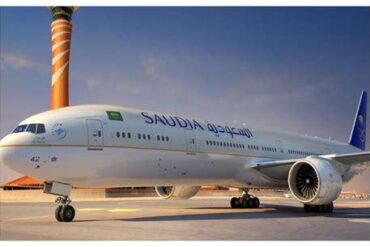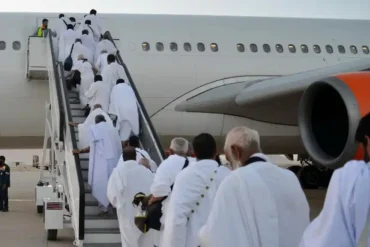
On a significant Saturday morning, Saudia Airlines executed an immediate diversion of flight SV5688 to Kualanamu International Airport in Medan, North Sumatra, as a precautionary measure in response to a security concern. This flight was transporting Hajj pilgrims back to Indonesia after they had fulfilled their sacred religious duties in the Middle East. The timely decision to redirect the aircraft highlights the airline’s commitment to passenger safety during one of the most critical periods of the Islamic calendar.
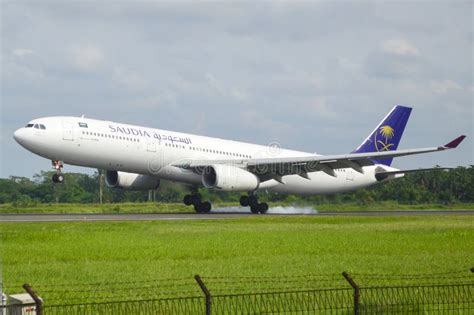
The flight, initially en route from Jeddah to Surabaya, Indonesia, with a scheduled stop in Muscat, encountered unexpected issues while traversing Indonesian airspace. The flight carried 376 passengers and 13 crew members, all of whom were returning from the Hajj pilgrimage. As soon as the potential threat was identified, the matter was promptly communicated to air traffic controllers in Jakarta, who acted decisively to ensure the safety of all onboard.
Upon landing in Medan, the aircraft underwent an immediate inspection, conducted by local authorities to assess the situation. Asri Santosa, head of the regional airport authority, confirmed that the inspection process was swift and thorough, ensuring that no further disruptions occurred within the airport’s operations. Importantly, the safety and well-being of the passengers and crew were prioritized throughout the incident, with all individuals reported safe after the inspection. The travelers, primarily Hajj pilgrims from Java, were expected to resume their journey to Surabaya the following day, reflecting the resilience and adaptability of those involved in the travel and aviation sectors.
This diversion marks the second incident involving Saudia Airlines in just a week, raising significant concerns about passenger safety during the peak Hajj season. Just days prior, another flight carrying 442 Hajj pilgrims was similarly diverted to Medan due to a security concern, showcasing the heightened alertness and precautionary measures being implemented by Indonesian authorities. These events underscore the critical importance of rigorous vigilance in air travel, particularly when large groups, such as Hajj pilgrims, are concerned.
The Hajj pilgrimage is known to be one of the largest global gatherings, drawing millions of Muslims from across the world, including Indonesia. Managing the logistics and security of such immense movements presents substantial challenges for airlines and authorities alike. Despite the resolution of the immediate security concerns, these incidents serve as stark reminders of the ongoing vulnerabilities faced by the aviation industry. Airlines like Saudia must continuously adapt and enhance their security protocols to mitigate potential risks.
In light of recent events, the Indonesian Directorate General of Civil Aviation has issued directives emphasizing the need for increased vigilance during this busy travel period. The dedication to passenger safety is paramount for Saudia Airlines, and the airline’s swift and effective response to the security threats posed to their flights reflects their commitment to maintaining high standards of operational integrity.
The ability of authorities in Indonesia to manage these incidents with professionalism and promptness is commendable. Their readiness to respond effectively to aviation security challenges speaks volumes about their preparedness to handle such situations. As the aviation industry evolves, it will inevitably face an array of challenges related to security threats, particularly as air travel becomes increasingly vital for long-distance journeys.
Moving forward, collaboration between airlines and government agencies will be crucial in ensuring the safety of passengers while minimizing disruptions. It is essential to implement robust, flexible, and responsive security protocols that can adapt to the dynamic nature of air travel. While the recent security concerns on Saudia Airlines flights were resolved without harm, they highlight the ongoing necessity of prioritizing aviation security in today’s world.
Ultimately, the coordinated efforts of Saudia Airlines and Indonesian authorities ensured that Hajj pilgrims could continue their journey home safely, despite the challenges faced. Nevertheless, the specter of potential security threats in air travel remains a critical consideration for passengers and operators globally, reinforcing the need for continued vigilance and proactive measures in the aviation sector.