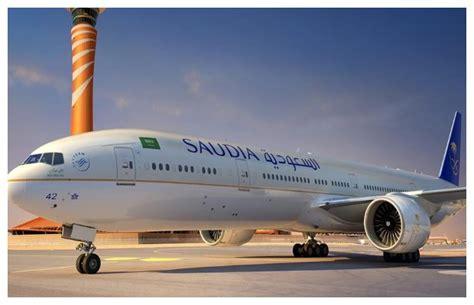
On June 17, 2025, a Saudia Airlines flight carrying returning Hajj pilgrims was compelled to make an emergency landing at Kualanamu International Airport in Medan, North Sumatra, following a detected security threat. The aircraft, operating as flight SV-5726, was en route from Jeddah, Saudi Arabia, to Soekarno-Hatta International Airport near Jakarta when the incident unfolded. This event not only tested the emergency protocols of Indonesian aviation authorities but also raised broader questions about the future of global air travel security amid rising passenger volumes and persistent security concerns.

The situation began to escalate mid-flight when the flight crew identified a credible security threat. Adhering to international aviation safety standards, the pilots made the immediate decision to divert to the nearest suitable airport, which was Kualanamu. The aircraft landed safely at approximately 10:44 AM local time, with no injuries reported among the passengers or crew. The passengers, comprising largely of Hajj pilgrims returning from one of the most significant religious journeys of their lives, were understandably shaken but unharmed thanks to the swift actions of the airline’s personnel and airport authorities.
The Rapid Response: A Testament to Indonesian Aviation Readiness
As soon as the security threat was identified, PT Angkasa Pura Indonesia, through its operating unit InJourney Airports, activated its Emergency Operation Centers (EOCs) at both Kualanamu and Soekarno-Hatta airports. These centers are critical command hubs designed to coordinate swift and effective responses during aviation emergencies. The coordinated effort ensured that once the aircraft landed, all security protocols were enacted without delay.
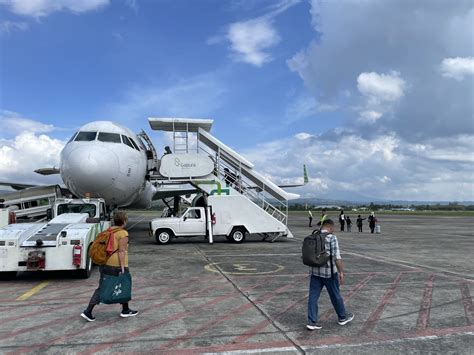
Kualanamu Airport immediately became the focal point of a high-alert security operation. Teams from airport security, local law enforcement, and national security agencies worked collaboratively to secure the aircraft, assess the potential threat, and ensure the safety of all individuals on the premises. This quick and decisive response demonstrated the high level of preparedness of Indonesian airport operators, who have, in recent years, significantly enhanced their emergency handling capabilities.
Prioritizing Passenger Safety Amid Uncertainty
At the core of this incident was a singular, overriding objective: the protection of human life. With over two hundred Hajj pilgrims onboard, many of whom were elderly or had special needs following the physically demanding pilgrimage, ensuring a calm and safe resolution was imperative. The crew’s professionalism in communicating with passengers and the ground teams’ ability to manage the situation efficiently helped prevent panic and ensured orderly procedures were followed.
Anak Agung Ngurah Pranajaya, the Corporate Secretary of InJourney Airports, emphasized that passenger and crew safety remained the top priority throughout the ordeal. His statement highlighted that all relevant protocols were followed meticulously and that the joint efforts of airport security committees, emergency responders, and supporting agencies were critical to the successful resolution of the incident.
The Broader Implications for Global Aviation Security
The Medan emergency landing serves as a stark reminder that, despite advances in aviation technology and security measures, the global air travel network remains vulnerable to security threats. As the aviation industry continues its post-pandemic recovery, with passenger numbers surging across continents, maintaining robust and dynamic security frameworks is no longer optional—it is essential.
Indonesia, as a rising hub for religious tourism and international business travel, has demonstrated through this event its capacity to handle high-pressure situations effectively. The efficient activation of EOCs, rapid deployment of security measures, and transparent communication with the public underscore how critical airport preparedness has become in safeguarding public trust in air travel.
From an international perspective, this incident raises important questions about the adaptability of global aviation security measures. In an age where security threats can emerge in various forms—from physical breaches to cyber vulnerabilities—airports and airlines must constantly innovate their emergency protocols. This includes leveraging advanced surveillance technology, improving cross-border information sharing, and conducting regular security drills that simulate complex threat scenarios.
Transparency and Communication: Key to Public Trust
One of the most commendable aspects of the handling of flight SV-5726’s emergency landing was the emphasis placed on transparent communication. InJourney Airports committed to providing continuous updates, ensuring that passengers, families, and the broader public remained informed as the situation unfolded. This proactive approach not only helped prevent misinformation but also reinforced confidence in the ability of Indonesian authorities to manage aviation emergencies responsibly.
Open channels of communication during such incidents serve a dual purpose: they reassure the public that authorities are in control, and they deter malicious actors who may seek to exploit perceived vulnerabilities for their gain. In this regard, the handling of the Medan emergency offers a model for other nations and aviation stakeholders to emulate.
The Future of Aviation Security in an Increasingly Complex World
The emergency landing of Saudia Airlines flight SV-5726 represents more than an isolated aviation incident; it is a case study in modern aviation risk management. With air travel expected to surpass pre-pandemic levels in the coming years, largely fueled by a resurgence in religious, business, and leisure travel, the pressure on aviation authorities worldwide to enhance their security infrastructure will intensify.
For Indonesia, this event reinforces the need to maintain momentum in airport modernization efforts. Airports like Soekarno-Hatta and Kualanamu are pivotal gateways to the archipelago and must continue to evolve their facilities, technologies, and personnel training programs to match the highest global standards.
Globally, the aviation industry faces the dual challenge of scaling operations to meet growing demand while simultaneously mitigating evolving security threats. International collaboration—through organizations like the International Civil Aviation Organization (ICAO) and regional partnerships—will be essential in shaping policies and protocols that can respond to both conventional and emerging risks.
Lessons Learned and the Path Ahead
While the incident concluded without casualties or damage, its significance lies in the lessons it imparts to airlines, airport operators, and regulators. Chief among these is the value of readiness: the ability to respond swiftly, decisively, and cohesively to unforeseen threats. It also highlights the importance of investment in infrastructure, staff training, and public communication strategies that can withstand the scrutiny of a global audience.
The Saudia Airlines emergency landing in Medan serves as a powerful reminder that, in aviation, safety is a continuous journey rather than a final destination. As the world becomes ever more interconnected, ensuring that passengers can travel with confidence must remain the shared mission of all who serve in this vital industry. The coordinated response by Indonesia’s aviation sector has set a positive benchmark, but it is only through ongoing vigilance, innovation, and cooperation that global air travel security will continue to evolve and strengthen.
In closing, the Medan emergency not only averted potential tragedy but also spotlighted the critical role that effective airport security operations play in safeguarding lives and maintaining the integrity of international air travel. As aviation stakeholders worldwide reflect on this incident, the clear imperative is to remain one step ahead of threats, ensuring that every journey, no matter how routine or extraordinary, begins and ends in safety.