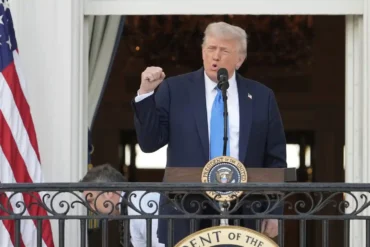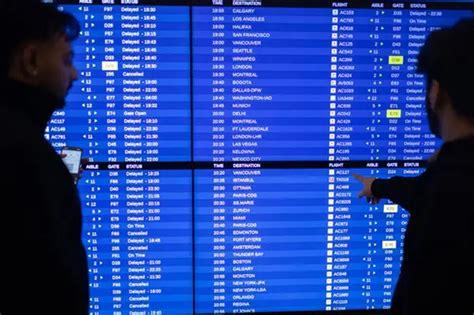
The United States’ newly proposed travel ban represents one of the most sweeping immigration and national security measures in recent years, targeting 36 additional nations across Africa, Asia, the Caribbean, and the Pacific. This expanded list, which includes Cambodia, Egypt, Ghana, Syria, Bhutan, Dominica, and Zimbabwe, signals a hardening stance by the Trump administration, framing the move as essential to national defense in the face of what insiders are calling a “dire trip failure explosion”—a phrase tied to growing reports of fraudulent identities, cooperation breakdowns in deportation, and suspected terrorist affiliations.
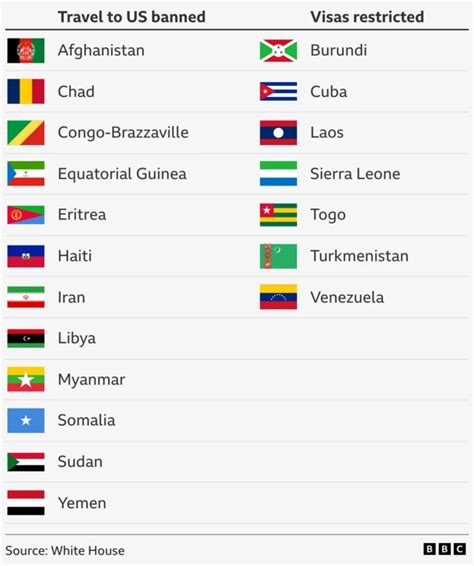
While the policy awaits full implementation, diplomatic cables suggest the countries involved are under a strict 60-day ultimatum to improve cooperation on immigration documentation and border security—or face a full or partial ban on travel to the United States. The measure marks a significant escalation from the original ban, first introduced in 2017 and later upheld by the U.S. Supreme Court, that already restricted travel from twelve nations.
The Scope of the New Travel Ban: Global Impact Across 36 Nations
The current list of countries under consideration includes nations with both large and small populations, developed economies and emerging ones. While the original ban focused on Muslim-majority nations, the new list paints a far broader picture. It includes Angola, Benin, Cabo Verde, Cameroon, Ethiopia, Kyrgyzstan, Liberia, Nigeria, Saint Kitts and Nevis, Tanzania, Tuvalu, and Vanuatu—countries with varying degrees of engagement with the United States.
What ties these countries together is the U.S. State Department’s assessment of systemic weaknesses in identity verification, passport security, and deportation cooperation. In many cases, these governments either fail to provide sufficient information for immigration vetting or are unwilling to accept the return of nationals who have been ordered deported by U.S. authorities. Some face allegations that their nationals have had direct or indirect links to extremist activities, fueling Washington’s security anxieties.
Behind the Rationale: The “Dire Trip Failure” Explained
A central justification for this expanded ban hinges on what U.S. officials call a “dire trip failure explosion”—a surge in cases where travel to and from the United States has ended in chaos due to document fraud, intelligence blind spots, or missed alerts about dangerous individuals. The Department of Homeland Security has reportedly recorded a sharp increase in cases where individuals from the proposed ban list were involved in visa overstays, violations of national security protocols, or had untraceable identity trails.
Intelligence agencies are particularly alarmed by incidents involving infiltration via legitimate visas, where background checks were compromised by lack of data sharing agreements or inadequate biometric systems. U.S. officials argue that these gaps not only threaten national security but also undermine public trust in immigration policies.
Economic Consequences for Global Tourism and Aviation
The proposed restrictions cast a long shadow over the global travel industry. For countries like Nigeria, Egypt, and Cameroon, whose citizens frequently travel to the U.S. for education, healthcare, and business, the potential fallout is massive. According to the World Travel & Tourism Council, Nigerian tourists alone contributed over \$800 million annually to the U.S. economy pre-pandemic. A ban would likely divert this traffic to other regions, such as Canada or the European Union.
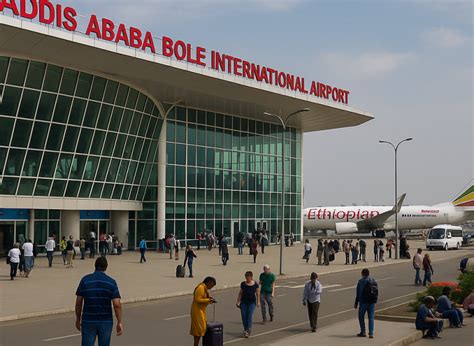
Tour operators and airlines in countries like Zimbabwe, Ethiopia, and Ghana—all of which have deep diaspora ties in the United States—are bracing for severe revenue losses. Direct flights to the U.S. from African hubs like Addis Ababa, Accra, and Lagos may be reduced or restructured entirely if passenger demand collapses.
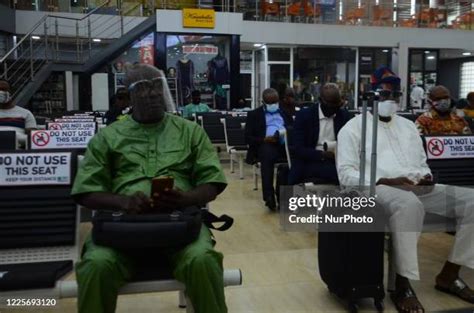
Airlines such as Ethiopian Airlines, EgyptAir, and Royal Air Maroc could be forced to divert or reroute long-haul schedules, leading to cascading disruptions across codeshare agreements and regional air traffic. Business travelers, particularly in resource-driven sectors like mining and tech, may face serious logistical barriers as direct access to U.S. markets diminishes.
Impact on International Students and Education Sectors
One of the most underreported but deeply significant consequences lies in higher education. Universities across the United States—especially those with global reach and diversity programs—may see a steep decline in international enrollment. In 2024 alone, students from Ethiopia, Ghana, and Egypt constituted more than 10% of African international student intake in the U.S., fueling millions in tuition revenue and contributing to cultural exchange.
The University of California and New York University systems, for example, host thousands of students from the now-banned countries. If the travel restrictions proceed without exemption clauses for student visas, educational institutions will not only face economic setbacks but also lose out on intellectual talent and global engagement. International students bring with them vital contributions to academic research, particularly in STEM and health sciences.
Family Separation and Legal Limbo
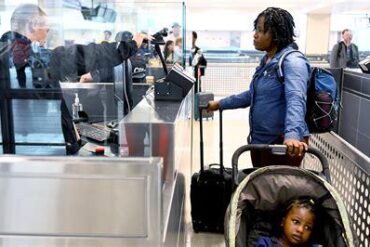
Perhaps the most emotionally charged impact of the expanded ban is the effect on families. Citizens from these countries with green cards or citizenship in the U.S. may be unable to bring over spouses, children, or aging parents. Immigration attorneys report a spike in consultations since the leaked State Department cable, particularly among mixed-status families worried about long-term separation.
The travel restrictions could stall thousands of family-based immigration petitions, disrupting weddings, births, funerals, and educational milestones. The administration has not yet clarified whether waivers or humanitarian exemptions will be provided for such cases, leading to widespread anxiety in diaspora communities across Washington, D.C., New York, Minneapolis, and Los Angeles.
Diplomatic Fallout: A Tipping Point in U.S.-Global Relations
While the ban is framed as a national security measure, the diplomatic repercussions could be immense. Countries like Egypt and Nigeria, which have longstanding military and economic partnerships with the United States, may interpret the restrictions as discriminatory and undiplomatic. Some have already hinted at reciprocal measures, including tighter visa scrutiny for American citizens.
Moreover, the African Union and Arab League are reportedly considering convening emergency sessions to address the issue, with some members advocating for coordinated responses or appeals to the United Nations Human Rights Council. This creates the risk of diplomatic fragmentation at a time when the U.S. is also seeking cooperation on international conflicts, climate action, and trade alliances.

Potential Legal Challenges and Political Resistance
Legal scholars and civil liberties organizations are preparing for a fresh wave of court battles. The American Civil Liberties Union (ACLU) has hinted it may challenge the policy, especially if it disproportionately targets nations with limited geopolitical leverage. In Congress, a coalition of lawmakers is expected to introduce legislation aiming to rein in executive authority over immigration and travel policy.
On the political front, the expanded ban could become a defining issue in the 2026 midterm elections, galvanizing immigrant rights groups, student activists, and diaspora communities to increase voter turnout and engagement. The White House maintains that it is operating within legal precedent, citing the 2018 Supreme Court decision upholding the original ban. However, mounting public pressure and international condemnation may complicate its implementation timeline.
What Comes Next: Strategic Shifts in Travel Planning and Global Mobility
Travelers from affected countries are already altering plans, rerouting itineraries, and seeking alternative visa options through countries like Canada, the UK, or Schengen-zone nations. Migration advisors are witnessing a surge in consultations for dual citizenship, golden visas, and educational routes through Europe and Asia as families attempt to preserve mobility.
For global travel and tourism operators, this moment demands strategic agility. Companies will need to reassess market forecasts, investment in destination marketing, and digital visa processing systems. Travel insurers and consular services are also revisiting policy frameworks to adapt to an increasingly volatile geopolitical travel landscape.
Meanwhile, the full scope of the policy’s implementation remains uncertain. The 60-day review period may allow for technical negotiations or targeted compliance improvements by individual countries, potentially saving them from the full weight of the ban. Still, the tone from Washington signals a deepening commitment to hardline immigration stances, echoing previous campaign rhetoric and national security doctrines.
Conclusion: A New Era of Travel Restrictions with Unfolding Consequences
The proposed expansion of the U.S. travel ban represents more than a list of restricted nations—it reflects a transformation in global mobility, where security trumps diplomacy, and immigration becomes a battlefield of geopolitical tension. With 36 new countries under scrutiny, the ripple effects are already reshaping the future of international travel, education, commerce, and human connection.
Whether this policy achieves its intended security goals—or unleashes long-term diplomatic backlash—will unfold in the months to come. For now, the message from Washington is clear: the age of open travel is facing its most severe challenge yet.