Delta Air Lines has drawn a firm line in the sand regarding AI-powered wearable technology onboard its aircraft. In a decisive move that reverberates through the aviation industry, the airline has officially banned flight attendants from wearing personal smart glasses during duty hours. This policy applies network-wide, from its bustling Atlanta hub to international outposts, and reflects growing concerns about privacy, operational security, and in-flight protocol integrity.
The decision marks Delta as one of the first major airlines to explicitly restrict the use of personal AI-enabled eyewear among front-line staff. In doing so, Delta enters a growing conversation about the role of wearable artificial intelligence in high-regulation industries like aviation.
Delta’s Crackdown on Wearable AI Devices
In a formal internal directive, Delta Air Lines prohibited all front-line employees—including flight attendants, gate agents, and other visible crew members—from donning smart glasses unless the device is specifically issued and sanctioned by the airline.
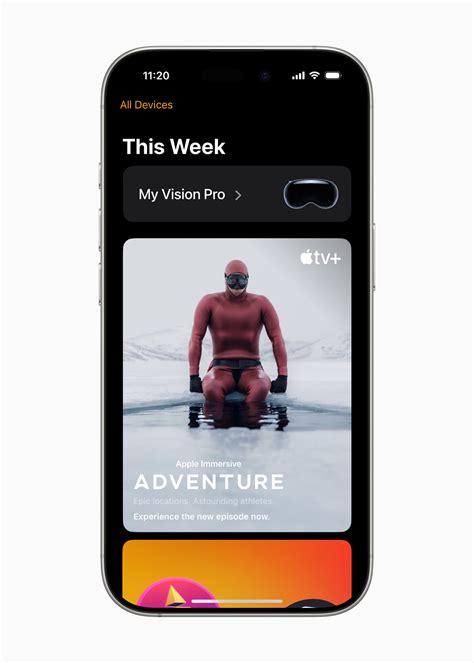
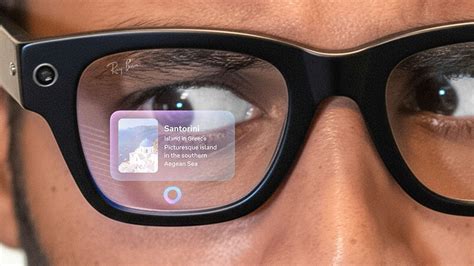
This sweeping policy is not merely speculative or preventive. It was introduced amid rising employee curiosity and consumer enthusiasm for wearable AI devices like the Apple Vision Pro and Meta Ray-Ban Smart Glasses. These cutting-edge gadgets offer users real-time voice command interaction, video capture, facial recognition, and instant access to AI communication tools.
Despite their sleek, often unassuming design, these devices contain sophisticated technology under the hood. Many models feature ultra-wide field cameras, open-ear directional speakers, and persistent cloud connectivity, turning what looks like regular eyewear into a potent blend of mobile computing and sensory surveillance.
A Delta spokesperson confirmed the policy stems from an “ongoing evaluation to ensure the safety and security of our people and global operation,” signaling that the airline is aware of the tech’s power—and the risks that accompany it. Importantly, the memo emphasizes that the rule is in effect regardless of whether the device is active or passive, functioning or idle, as long as it is worn during working hours.
Industry-Wide Interest Meets a Hard Stop
Delta’s decision, though bold, isn’t happening in a vacuum. The aviation industry has been toying with wearable tech for over a decade, albeit mostly in experimental phases. In 2017, Air New Zealand tested smart glasses for cabin crews to access customer data such as seating preferences, moods, and dietary needs in real time. The initiative, while forward-thinking, never launched beyond pilot testing.
Even earlier, Virgin Atlantic trialed Google Glass for check-in agents, offering features like real-time translation and facial recognition to streamline the boarding process. These trials showed promise but ended abruptly when Google stopped developing the platform in 2015.
As of mid-2025, no major airline globally has fully embraced smart glasses for active crew usage. Delta’s move may not only reinforce this industry hesitation but also set a precedent for other carriers contemplating similar policies. Airlines may now look to Delta as the first to formally establish a company-wide ban grounded in regulatory caution.
Privacy, Surveillance, and Operational Control
The heart of Delta’s ban lies in an escalating tension between technological capability and personal privacy. Smart glasses, while empowering in a personal context, introduce significant legal and ethical concerns when worn in a professional setting—especially one as controlled and scrutinized as a commercial aircraft.
Delta’s legal and compliance teams appear to have taken into account the patchwork of international privacy laws, especially in countries with stringent biometric and audio-visual data regulations. Devices that can covertly capture video or audio in a cabin packed with passengers raise red flags about informed consent, data sovereignty, and real-time surveillance.
What complicates matters further is the airline’s existing policy regarding passenger use of recording devices. In a separate but related memo, Delta informed flight attendants they may not prevent passengers from filming or photographing them, even if it causes discomfort. While crew can politely request not to be filmed, they lack authority to enforce the request unless it clearly violates aviation law or causes a security disturbance.
Against that backdrop, Delta’s ban on smart glasses for employees can be seen as an effort to eliminate ambiguities around surveillance. By ensuring no flight attendant is wearing a potentially recording device, the airline shields itself from legal exposure while maintaining a consistent operational standard.
A Strategic Delay, Not a Permanent Denial
Although the policy is unambiguous in its current form, the wording leaves room for evolution. Delta has not ruled out adopting wearable AI in the future—provided it comes under the airline’s direct control.
That opens the door to the possibility of airline-issued smart devices, customized to meet regulatory standards, controlled access frameworks, and in-flight operational guidelines. A wearable device designed in partnership with an OEM, fitted with enterprise-grade security features and strict data handling policies, could eventually be rolled out for specific use cases.
The potential use cases for such technology are numerous:
- Real-time language translation to assist with multilingual passenger interactions
- Passenger profile access for personalized service delivery
- Hands-free cabin inspections or checklists using HUD (Heads-Up Display)
- Emergency guidance through AR overlays in zero-visibility scenarios
However, to reach that stage, Delta and other carriers would need to navigate a complex regulatory labyrinth. This includes satisfying the FAA, GDPR, HIPAA, and other global data protection frameworks, not to mention airline unions and internal employee policies.
Balancing Innovation and Caution
Delta’s position reflects the broader tension facing industries that intersect with high-stakes safety and personal privacy: when does innovation become intrusion? Airlines are under increasing pressure to modernize and digitalize—but they must also uphold safety, compliance, and brand integrity.
By taking this preemptive step, Delta signals to investors, regulators, and customers that it is technologically literate but operationally conservative. In high-reliability organizations like airlines, caution is often not just preferred—it is essential.
Moreover, the ban could help avert future labor conflicts. As smart glasses become more powerful, unions may push back against policies requiring or allowing employees to wear devices that track movement, capture data, or transmit to cloud networks. By banning the tech for now, Delta removes the issue from the negotiation table.
The Future of Smart Wearables in Flight Operations
While Delta’s ban makes headlines today, it’s merely a chapter in a longer narrative. AI wearables are not going away, and as the technology matures, their potential applications in aviation will only multiply. Already, airlines are experimenting with smartwatches for maintenance staff, AI headsets for logistics coordination, and voice-controlled AR tools for ground crew efficiency.
The smart glasses debate is therefore not one of if, but when and how airlines will adopt the technology in a way that aligns with safety, privacy, and service excellence.
For now, though, Delta’s stance is clear: the sky is no place for personal AI eyewear—not yet. Only time will tell whether this precautionary measure becomes the norm or a transitional moment on the path toward augmented aviation.
Final Thoughts
Delta Air Lines’ prohibition of smart glasses for flight attendants highlights a pivotal moment in the airline industry’s digital transformation. By prioritizing privacy, compliance, and control over tech adoption, Delta reinforces its position as a safety-first carrier in an increasingly complex regulatory and technological landscape.
The move is not a rejection of wearable AI but rather a strategic pause, ensuring that when the technology does arrive, it does so responsibly, securely, and on Delta’s terms—not Silicon Valley’s.