Military Vision Standards and the Use of Glasses
The question “Can I join the military if I wear glasses?” is a common concern among aspiring service members. The short answer is yes, but with important conditions. The military maintains strict vision standards to ensure personnel are capable of operating efficiently in visually demanding environments. These standards vary slightly across branches, but their intent is unified: to guarantee that all members are mission-ready.
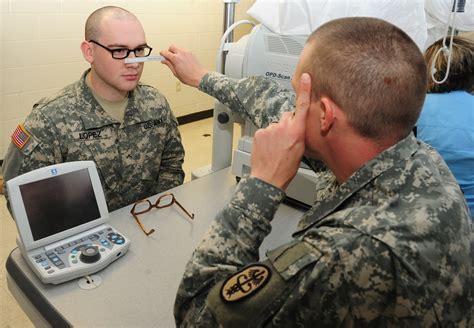
Service members are expected to meet minimum correctable vision thresholds, usually to at least 20/40 in each eye. For specialized roles such as aviation, vision must be correctable to 20/20. Candidates with common refractive errors like myopia (nearsightedness) or hyperopia (farsightedness) are typically eligible, provided corrective lenses can bring their vision within the required range.
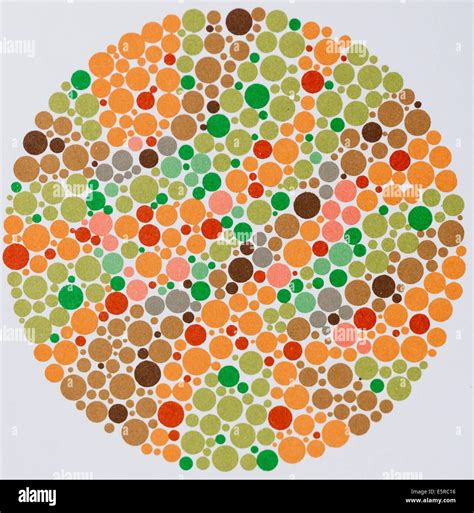
Another critical visual metric is color vision. Proper color discrimination is essential for interpreting maps, signals, and equipment indicators. Color blindness may disqualify individuals from certain roles, especially those involving navigation, electrical systems, or piloting. The Ishihara Test, composed of multi-colored dot patterns forming numbers, is one of the standard assessments used to determine color vision capability.
Branch-Specific Vision Requirements
Each military branch outlines its own enlistment criteria, with vision requirements shaped by the nature of typical operational duties.
The U.S. Army, for instance, allows recruits with vision correctable to 20/40. For aviation and certain intelligence roles, the bar is set higher. The U.S. Air Force follows even more exacting standards for roles such as pilot or air traffic controller, requiring 20/20 vision (correctable) and stringent depth and color perception.
In the U.S. Navy, submariners and divers must pass more intensive optical screenings due to the precision required underwater. Meanwhile, the U.S. Marine Corps and U.S. Coast Guard also adhere to their own vision eligibility tables, though they similarly focus on correctable acuity and color distinction.
It’s essential for prospective enlistees to discuss their vision status with a military recruiter, who can explain the latest standards and potential updates due to technological or policy changes.
Acceptable Vision Correction Options
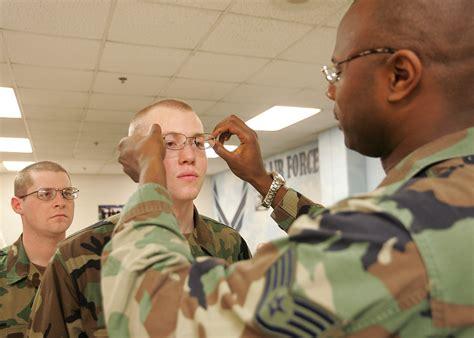
Wearing glasses is widely accepted across all branches, provided the individual’s corrected vision meets the required standards. However, the military imposes practical expectations on the type of eyewear used, especially once training begins.
Military-issue glasses, informally known as “BCGs” (birth control glasses) due to their distinctive, unfashionable design, are durable and standardized. These glasses are constructed with impact-resistant polycarbonate lenses, chosen for safety in combat environments. Frames are designed to resist breakage during rigorous activity, ensuring that wearers maintain optimal vision even in active duty scenarios.
Contact Lenses and Limitations
Though contact lenses offer advantages in terms of field of vision and reduced physical interference, they come with operational drawbacks. In dusty or unsanitary environments, typical during deployments or field exercises, contact lenses can cause irritation or infection. Because of this, some branches discourage or outright prohibit their use in the field unless specific hygiene conditions are met.
Additionally, military training programs such as boot camp often ban contacts outright due to hygiene concerns and the physical intensity of exercises. Recruits must adapt to military-issued eyewear during these periods.
For personnel pursuing LASIK or PRK surgery, it is often possible to join after recovery, though recovery periods and post-operative vision stability must be documented and approved. Some roles may even require a waiver process for those who have undergone corrective surgery.
Eyewear in Combat and Field Conditions
Durability and protective integration are central when considering eyewear in military operations. Glasses must not only correct vision but also withstand environmental hazards such as:
-
Debris and shrapnel
-
High wind and sand exposure
-
Impact and vibration during combat
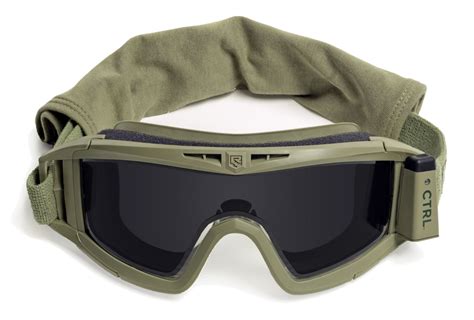
To this end, military eyewear often includes ballistic-rated goggles, particularly in combat zones. These can be worn over prescription lenses or integrated with them, depending on the operational need. In many cases, prescription inserts are used inside goggles or protective visors.
How Vision Conditions Impact Military Roles
Not all roles in the military have the same visual demands. An individual disqualified from aviation or special operations may still be eligible for other critical positions in intelligence, logistics, engineering, or medical support.
For example:
-
Infantry roles require excellent peripheral awareness and fast visual processing.
-
Signal and intelligence operators need fine visual discrimination for screens and data.
-
Maintenance technicians rely on precise visual acuity to diagnose and repair equipment.
Vision limitations might redirect an applicant’s career path, but they rarely result in outright disqualification if correctable within standards.
Understanding Waivers and Exceptions
In cases where an applicant narrowly fails to meet standard visual requirements, a medical waiver might be possible. The Department of Defense Medical Examination Review Board (DoDMERB) handles these evaluations.
Key waiver considerations include:
-
Degree of uncorrected vision
-
Correctability to required standards
-
Stability of the condition
-
Impact on job functionality
The likelihood of a waiver being granted is influenced by military occupational specialty (MOS) demands, current recruiting needs, and overall applicant qualifications. Candidates are encouraged to submit comprehensive ophthalmologic documentation to improve the odds of approval.
Preparing for Enlistment with Glasses
The first step is a professional eye exam conducted by a certified optometrist or ophthalmologist. Candidates should request detailed reports, including:
-
Current refractive error measurement
-
Corrected visual acuity results
-
Color vision testing outcomes
-
Lens prescription details
These results should then be shared with a recruiter, who can compare them to the eligibility matrix of the desired branch. Some applicants may benefit from pre-enlistment vision correction to avoid delays.
Moreover, it’s crucial to understand how vision might evolve during military service. Conditions like progressive myopia or keratoconus may affect eligibility for reenlistment or job transfers later. Ongoing eye care is provided through military medical services, which includes access to optical labs, replacements for lost eyewear, and routine exams.
Conclusion: Vision Challenges Are Not Disqualifiers
Wearing glasses is not a disqualifying factor for military service. The key determinant is whether your vision can be corrected to meet specific standards and whether you are capable of performing your role safely and effectively. The military not only allows for corrective eyewear but also supplies service members with rugged, task-appropriate glasses and visual protection gear.
With appropriate guidance from a recruiter and a detailed eye exam, many aspiring service members with glasses find a path to service that aligns with both their abilities and ambitions. From combat roles to technical support, the military offers diverse opportunities for individuals with corrected vision.
FAQs
Can I become a pilot in the military if I wear glasses?
Yes, but your vision must be correctable to 20/20. Pilots undergo rigorous vision screening, including depth perception and color vision tests. Even if you wear glasses or contact lenses, if your corrected vision meets the standard and you pass all other assessments, you’re eligible. Post-LASIK pilots must also meet strict recovery and stability requirements.
Are contact lenses allowed in basic training?
No, contact lenses are generally prohibited during basic training due to hygiene and safety concerns. Recruits are issued military-grade prescription glasses during initial training and must adapt to wearing them in all activities. Contact lenses may be permitted after training in some environments.
What happens if my vision worsens during military service?
Military personnel receive routine eye care, and updated prescriptions or replacement glasses are provided as needed. If a vision issue impacts job performance, the individual may be evaluated for MOS reclassification, treatment, or even medical discharge, depending on the severity and prognosis of the condition.