Polarized sunglasses have long been a popular choice among drivers, anglers, and outdoor enthusiasts for their ability to reduce glare and improve visual clarity. But when it comes to aviation, the question arises: can pilots wear polarized sunglasses safely and effectively? The answer is not as clear-cut as one might expect. Within the cockpit, variables such as digital instrument readability, windscreen materials, and even aircraft type can significantly influence the outcome of using polarized lenses.
In this article, we explore the technical, practical, and regulatory dimensions of wearing polarized sunglasses as a pilot, examining industry guidance, real-world experiences from aviators, and the complex interaction between optics and avionics.
Understanding Polarization in Sunglass Lenses
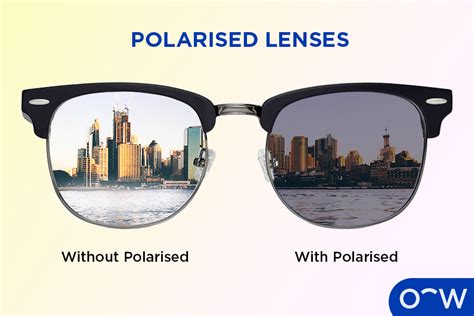
Polarization is a technology applied to sunglasses to filter out horizontal light waves—typically those that reflect off flat surfaces such as roads, water, or snow. The result is a dramatic reduction in glare, sharper contrast, and enhanced visual comfort in bright environments.
From a technical perspective, polarized lenses utilize a vertically oriented polarizing filter that absorbs horizontal glare. This can offer excellent optical clarity in many terrestrial settings. However, within an aircraft cockpit, the situation becomes more nuanced.
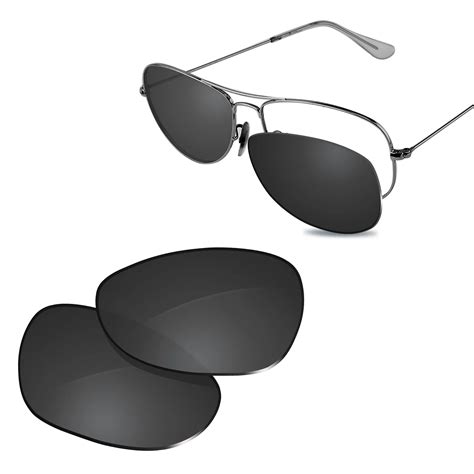
FAA Guidance on Polarized Lenses for Pilots
The Federal Aviation Administration (FAA), in its advisory publication “Sunglasses for Pilots: Beyond the Image,” makes a clear recommendation: polarized lenses are not advised for aviation use.
The FAA outlines several core reasons for this guidance:
- Instrument Visibility Compromise – Many glass cockpit displays and anti-glare instrument screens use polarized coatings themselves. The interaction between these screens and polarized lenses can result in blanked-out displays or visual distortions.
- Windscreen Distortion – Aircraft windscreens, especially those made of laminated or treated materials, can show visual artifacts such as rainbow effects, stress patterns, or color striations when viewed through polarized lenses.
- Loss of Reflective Cues – Polarization can block the reflective “sparkle” off other aircraft surfaces, such as wingtips or canopies. These visual cues are often essential in “see-and-avoid” traffic scenarios, reducing reaction time in detecting airborne traffic.
While these issues are technically valid, the real-world impact varies significantly depending on the aircraft, the cockpit technology, and even the specific brand and alignment of the lenses used.
Polarized Sunglasses vs. Glass Cockpits
The glass cockpit revolution, led by avionics platforms such as the Garmin G1000, introduced bright, high-resolution LCD screens into general aviation aircraft. However, these displays often pose visibility problems when viewed through polarized lenses.
Numerous pilots have reported:
- Complete blackouts of the display when viewed at certain angles.
- Partial screen dimming or “rainbow” effects caused by the interplay between lens polarization and screen orientation.
- The need to tilt their heads to maintain readability, which can be a dangerous distraction.
As one pilot described it, “The G1000 appeared totally black when I wore my polarized glasses. It scared me the first time because I thought the display had failed.”
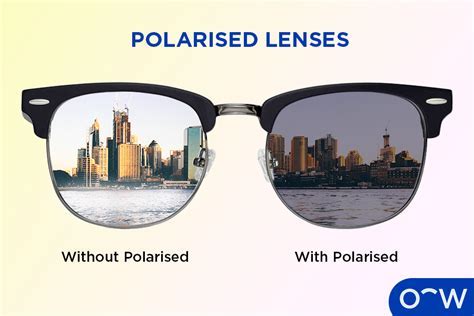
Interestingly, some pilots report no issues whatsoever, depending on the screen’s polarization alignment and the orientation of the sunglasses. This inconsistency makes the blanket adoption of polarized eyewear risky in modern flight decks.
The Windscreen Effect: More Than Meets the Eye
Aircraft windshields are not like car windshields. Many are laminated or constructed with embedded heating elements. When viewed through polarized lenses, these structural elements can become exaggerated, revealing stress patterns or multicolored visual anomalies.
In some aircraft, such as the Falcon 20, the interaction of polarized lenses with heated glass has been reported to cause significant black spots on the screen when heating elements are active. Similarly, windshields on the DC-9 and 727 produce visible rainbow artifacts that could distract a pilot.
However, this is not universal. Many pilots flying Cessna 172s or older aircraft with simpler windshields report no issues at all. This variability contributes to the confusion and mixed experiences among aviators.
Visual Acquisition of Other Aircraft: A Double-Edged Sword
One of the most controversial concerns cited by the FAA is the diminished ability to detect other aircraft due to polarization.
Polarized lenses eliminate horizontal reflections, including glints of sunlight off metal aircraft surfaces. In theory, this could reduce the likelihood of spotting traffic in time—particularly in visual meteorological conditions (VMC) where visual detection is essential.
But here’s the twist: many pilots argue the opposite.
They report:
- Improved contrast between aircraft and sky, particularly in hazy conditions.
- Easier detection of motion against visually cluttered backgrounds.
- Reduced eye strain, leading to more prolonged scanning capability.
A seasoned ATP pilot commented, “The odds of you spotting an aircraft based solely on a glint of sunlight are small. Polarized lenses give me the contrast I need to scan effectively.”
This presents a clear divide: technical theory versus operational reality.
iPads, Tablets, and the Era of EFBs
Beyond avionics, the modern cockpit often includes electronic flight bags (EFBs) such as iPads, which serve as platforms for charts, weather, checklists, and more.
Polarized sunglasses notoriously interfere with iPad visibility, especially when used in portrait mode. The alignment of the iPad’s screen polarization can cause the screen to black out or appear significantly dim when viewed through polarized lenses.
This issue is not limited to Apple devices. Most LCD screens, unless specifically engineered with aviation use in mind, are subject to the same visibility degradation under polarization.
As one CFII noted, “I can’t afford to lift my glasses every time I need to read a chart on my iPad. That’s why I went with non-polarized prescription lenses.”
Is the FAA’s Stance Still Valid?
The FAA’s recommendation is precautionary, not mandatory. While certain aircraft, such as the AW139, explicitly prohibit polarized lenses in their flight manuals, most general aviation platforms leave the decision up to the pilot.
The FAA’s concerns are rooted in the potential for:
- Instrument misreading
- Missed visual cues
- Distractions caused by display incompatibility
Yet, with continuous improvements in screen technology, including OLED and IPS displays, some of these issues may become less pronounced. Some modern glass cockpit screens are designed with wide-angle viewing and anti-polarization coatings, reducing the impact of sunglasses on readability.
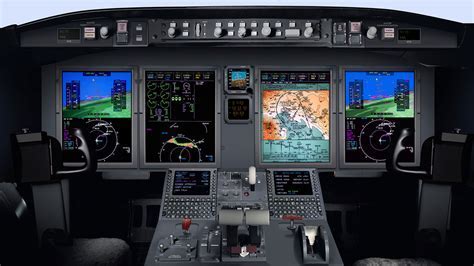
However, until these advancements are widespread, pilots must assess their own cockpit configuration before relying on polarized eyewear.
Alternative Solutions: Non-Polarized Sunglasses for Aviation
For those seeking safe and effective eyewear for flying, non-polarized lenses remain the gold standard. These can still offer UV protection, optical clarity, and even light tinting for comfort.
Features to look for in aviation sunglasses include:
- Grey or neutral tint for color accuracy.
- Anti-scratch and anti-reflective coatings.
- Optical-grade polycarbonate lenses for shatter resistance.
- Wraparound or fitted frames to minimize peripheral glare.
Brands like Flying Eyes, Ray-Ban Aviators, and Hazebuster Shields are frequently recommended by aviators for their quality and compatibility with cockpit environments.
Conclusion: A Personal but Informed Decision
So, can pilots wear polarized sunglasses? The answer is not universally yes or no—it depends on:
- Aircraft type and instrumentation
- Windscreen material and condition
- Avionics screen compatibility
- Personal visual needs and preferences
While polarization offers undeniable benefits for glare reduction and outdoor visibility, it introduces enough potential drawbacks in the cockpit to warrant caution. For many pilots, the risk of compromised screen readability or missed visual cues is too great.
That said, some aviators do fly successfully with polarized lenses, especially in legacy aircraft or when displays pose no compatibility issues. Ultimately, each pilot must test and evaluate how their chosen eyewear interacts with their specific cockpit configuration.
Frequently Asked Questions
Do polarized sunglasses interfere with avionics screens?
Yes. Many LCD screens in glass cockpits have built-in polarizers. When viewed through polarized sunglasses, these screens can appear dimmed, distorted, or completely blacked out depending on the viewing angle and polarization alignment.
Are polarized sunglasses banned in aviation?
No, polarized sunglasses are not banned, but they are not recommended by the FAA. Some aircraft, like the AW139, include a strict prohibition in their flight manuals, but most general aviation aircraft leave the decision up to the pilot.
What is the best type of sunglasses for pilots?
Non-polarized sunglasses with neutral gray tint are considered ideal. They preserve natural color perception and minimize compatibility issues with avionics and windshields. Look for UV protection, anti-reflective coatings, and high optical quality lenses tailored for aviation use.