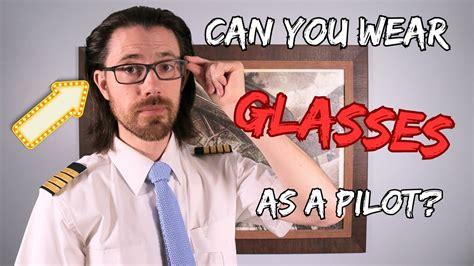
The aviation world is governed by strict medical and technical standards, but many misconceptions persist about who qualifies to fly professionally. One of the most common concerns aspiring aviators face is: “Can I become a pilot if I wear glasses?” Contrary to outdated beliefs and persistent myths, the answer is yes—corrective eyewear does not automatically disqualify anyone from earning a pilot’s license, including at the commercial or airline transport levels.
We explore how wearing glasses interacts with aviation regulations, what vision standards apply across various jurisdictions, and how thousands of pilots around the world continue to fly while relying on corrective lenses.
Corrective Vision and Regulatory Standards
Globally, aviation authorities recognize that many people require some form of vision correction. The Federal Aviation Administration (FAA), European Union Aviation Safety Agency (EASA), and International Civil Aviation Organization (ICAO) each permit pilots to wear glasses or contact lenses under certain conditions.
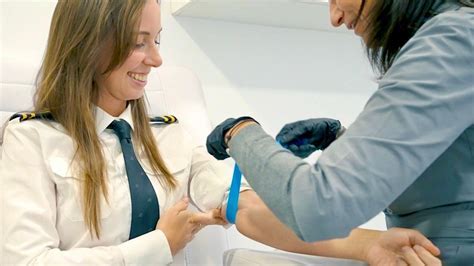
Pilots must pass regular aviation medical examinations, and one of the core visual requirements is that eyesight must be correctable to 20/20 in each eye, either naturally or with glasses/contact lenses. The emphasis lies not on uncorrected vision but on the final, aided result.
To illustrate:
-
FAA Class 1 Medical Certificate: Required for airline pilots. Vision must be correctable to 20/20 for distance in both eyes; near and intermediate vision standards also apply.
-
EASA Class 1 Medical Certificate: Requires similar correction standards. Pilots must not have significant eye conditions such as diplopia or progressive eye diseases.
Thus, wearing glasses does not preclude passing a medical exam as long as the correction meets prescribed thresholds.
Why the Myths Persist
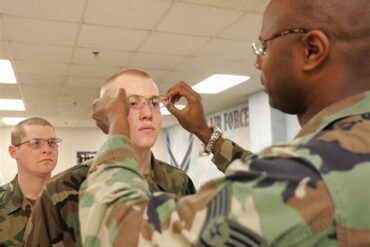
The belief that glasses disqualify future pilots often stems from military aviation history, where stricter uncorrected vision requirements were commonplace. In combat aviation, optimal natural vision was considered crucial. However, even modern air forces now accept pilots with glasses for certain roles, particularly in transport aircraft.
The civilian sector has always taken a more pragmatic approach. Commercial airlines prioritize overall pilot competence and adherence to safety standards. As such, most carriers do not view glasses as a hindrance, provided the pilot holds a valid Class 1 medical.
Understanding the Medical Process
Before starting flight training, prospective pilots must pass a medical examination administered by an aviation medical examiner (AME). This is not a standard eye exam but a highly specialized process tailored to aviation fitness. For those aiming to become airline transport pilots, a Class 1 medical is mandatory.
Key visual requirements include:
-
Distance Vision: Correctable to 20/20 in each eye.
-
Intermediate/Near Vision: Correctable to 20/40 or better (depending on age).
-
No significant color vision deficiency.
-
No double vision (diplopia) or progressive eye disease.
If glasses are used to meet these thresholds, pilots must carry a spare pair of corrective lenses while flying—standard procedure across most aviation authorities.
Pathways to Becoming a Pilot with Glasses
Wearing glasses does not limit access to any specific aviation pathway, whether civilian or military, fixed-wing or rotary. The steps remain the same for all candidates, with medical eligibility forming the foundation.
Here’s the general roadmap:
-
Medical Certification: Secure a Class 1 medical before investing in flight training.
-
Ground and Flight School: Enroll in an accredited flight school or aviation academy.
-
Private Pilot License (PPL): First stage of flight certification.
-
Instrument Rating (IR): Enhances navigational capability under low visibility.
-
Commercial Pilot License (CPL): Enables you to fly for compensation.
-
Multi-Engine Rating (ME): Often required by airlines and charter operators.

Flight School vs. Alternative Training Paths
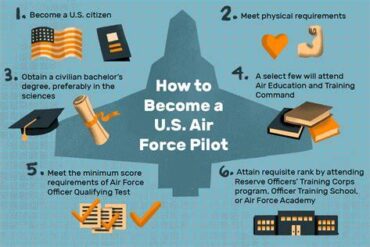
While dedicated flight academies are the most direct route, alternatives such as collegiate aviation programs, military flight schools, and private flying clubs are also viable. What matters is accumulating the required flight hours, completing the syllabus, and passing all necessary written and practical tests.
For candidates with glasses, ensure the training provider recognizes the latest medical standards and does not impose internal policies more restrictive than national regulations.
Pilot Performance and Visual Acuity in Practice
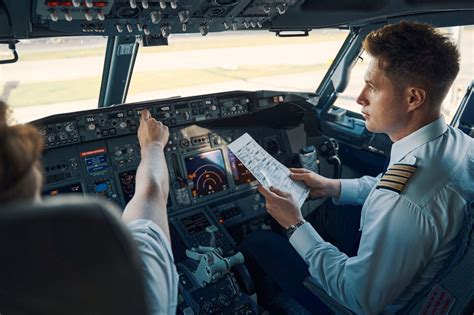
Modern cockpits are filled with digital displays, autopilot systems, and real-time diagnostics. A pilot’s vision—corrected or uncorrected—must allow them to scan instruments, interpret alerts, and monitor airspace visually. However, corrective eyewear poses no operational disadvantage if properly prescribed and worn consistently.
Moreover, corrective lenses today benefit from anti-glare, UV coatings, and custom shaping for aviation use. In-flight challenges like cabin lighting or varying altitudes are addressed with specialized lens technology designed specifically for aviation environments.
Handling Emergencies: Glasses as a Non-Issue
Critics sometimes raise concerns about glasses falling off during turbulence or emergencies. In reality, professional pilots use secure frames and often carry backups. Contact lens users are briefed on hydration and eye care protocols, especially on long-haul flights. These precautions ensure that corrected vision remains stable under all operating conditions.
Vision Correction Surgery: LASIK and Aviation
Some aspiring pilots consider refractive surgery (e.g., LASIK, PRK) to eliminate the need for glasses. Aviation authorities permit such surgeries, provided candidates undergo post-operative evaluation and achieve stable, corrected vision.
However, this is entirely optional. Thousands of pilots fly professionally without surgery, relying instead on glasses or contact lenses with no impact on safety or certification.
Conclusion: Eyeglasses Are Not a Barrier to the Cockpit
Wearing glasses does not pose a hindrance to pilot certification, career advancement, or operational effectiveness. As long as a pilot’s vision is correctable to regulatory standards, they are eligible to pursue flight training, earn licenses, and operate aircraft in both commercial and private sectors.
The most critical step is undergoing a Class 1 aviation medical examination early in your journey to confirm eligibility. Once cleared, your vision—corrected or otherwise—becomes just another tool in your aviation toolkit.
With proper eyewear, training, and dedication, aspiring aviators who wear glasses are every bit as capable of taking to the skies as those with perfect vision.
Is 20/20 uncorrected vision required to be a pilot?
No. Aviation authorities like the FAA and EASA do not require uncorrected 20/20 vision. What matters is that your vision is correctable to 20/20 using glasses or contact lenses. Pilots must meet this threshold through a certified aviation medical examination.
Can I wear contact lenses instead of glasses while flying?
Yes. Many pilots prefer contact lenses, especially for comfort during long flights. However, aviation regulations often require pilots to carry a backup pair of glasses in the cockpit in case of lens displacement or irritation.
Will LASIK surgery help my chances of becoming a pilot?
LASIK and similar procedures are optional. While some candidates undergo refractive surgery to eliminate dependence on glasses, it’s not a requirement. Post-surgery, pilots must demonstrate stable corrected vision and meet medical standards to regain certification.