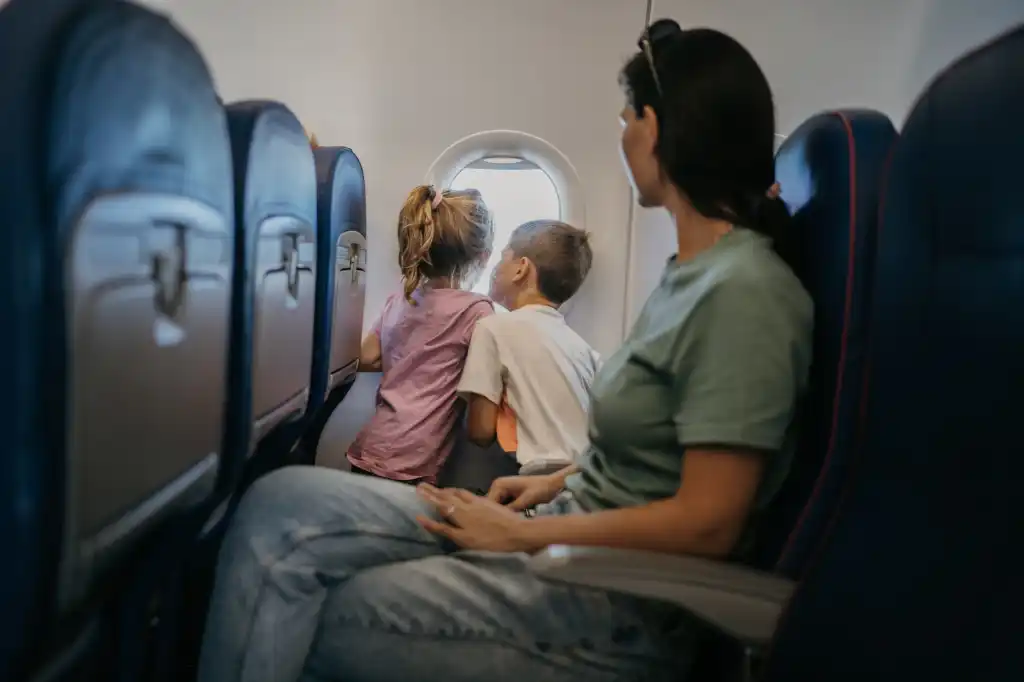
Long-haul overnight flights carry a quiet rhythm—dimmed cabin lights, passengers cocooned in blankets, and a crew carefully orchestrating safety and service behind the scenes. Yet amid this calm, a seemingly harmless request—“Would you mind switching seats?”—can quietly unravel layers of operational precision. What many travelers perceive as a small favor, flight attendants increasingly recognize as a potential safety issue, especially on overnight journeys where conditions amplify risk.
The Emotional Gravity of Assigned Seats in Modern Air Travel
Passengers don’t just sit in assigned seats—they anchor themselves emotionally to them. Seat selection has evolved into a deliberate, sometimes costly decision tied to comfort, control, and even anxiety management. Whether it’s a window seat for rest, an aisle for mobility, or extra legroom for physical ease, each choice reflects a calculated preference.
Studies reveal that over 95% of travelers consider seat selection a top priority, underscoring how deeply personal this decision has become. A window seat may double as a headrest for sleep; an aisle seat might mean fewer disturbances. On overnight flights, where rest is paramount, these preferences intensify. Disrupting that setup isn’t just inconvenient—it can compromise rest, increase stress, and reduce overall well-being during the flight.
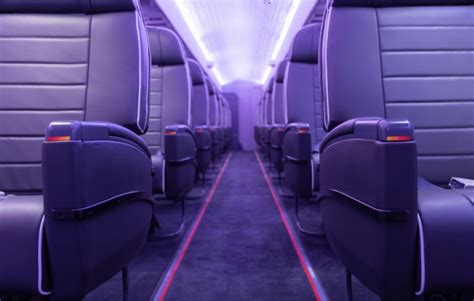
Psychologically, passengers often feel a sense of ownership over their assigned seat. When asked to move, even politely, the request can trigger a mix of guilt, pressure, and internal conflict. The social dynamics are subtle but powerful—many agree to swap not out of willingness, but discomfort in refusing.
Why Seat Swap Requests Are So Common—Especially at Night
Seat swap requests are not rare—they are deeply embedded in the modern flying experience. Airlines frequently separate families or companions unless additional fees are paid, leading to a surge in onboard negotiations.
Common motivations include:
- Families trying to sit together after being split during booking
- Couples wanting to share a row on long-haul flights
- Passengers seeking more comfortable positions for sleep
- Individuals with anxiety or medical needs requesting specific seats
On overnight flights, the stakes rise. A parent separated from a child isn’t just inconvenienced—it becomes a practical and emotional concern, especially when sleep is involved. Unsurprisingly, more than 90% of passengers are willing to swap seats to help families, reflecting a strong social willingness to cooperate.
But willingness doesn’t eliminate consequences.
The Overnight Flight Factor: Why Darkness Changes Everything
Night flights introduce a unique environment that magnifies the impact of seat changes. Reduced visibility, sleeping passengers, and limited movement create a cabin dynamic that depends heavily on predictability and structure.
When passengers move freely:
- Crew members may struggle to locate individuals quickly in emergencies
- Sleeping passengers are harder to identify if seat assignments no longer match reality
- Cabin monitoring becomes less efficient during critical moments
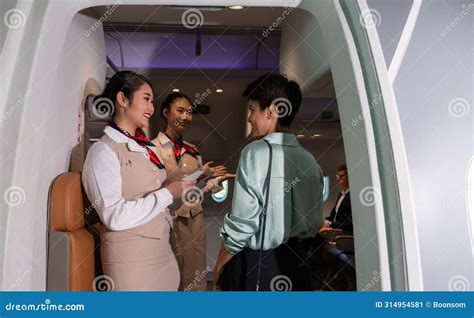
In daylight flights, movement is visible and manageable. At night, however, even small disruptions can ripple into delayed response times and increased confusion. Flight attendants rely on mental mapping of the cabin—knowing who is where. Unauthorized swaps blur that map.
The Critical Role of Weight and Balance in Aircraft Safety
Behind every flight is a meticulous calculation known as weight and balance, or “trim.” This process ensures that the aircraft’s center of gravity remains within safe limits for takeoff, flight, and landing.
Passenger distribution is a key component of this calculation.
While one person switching seats on a large aircraft might seem negligible, the reality is more nuanced. On flights with lower occupancy—especially regional jets or turboprops—even minor shifts in passenger weight distribution can affect aircraft stability.
Flight crews rely on a load sheet, a document detailing the precise placement of passengers, baggage, and cargo. When passengers move without notifying crew:
- The accuracy of this data is compromised
- Recalculations may be required mid-operation
- Safety margins become less predictable
On overnight flights, where adjustments are less visible and the cabin is quieter, unauthorized movement can go unnoticed longer—making the issue more significant than it appears.
Emergency Scenarios: When Seat Swaps Become a Liability
In aviation, every second matters during an emergency. Whether it’s an evacuation, medical incident, or unexpected turbulence, crew members depend on precise information.
Seat assignments are not just administrative—they are critical identifiers.
If a passenger has moved:
- Emergency responders may search the wrong location
- Medical conditions linked to a seat number may be miscommunicated
- Families or companions may be harder to reunite during evacuations
Even more concerning is the aftermath of an incident. Passenger manifests are used to:
- Identify individuals
- Notify families
- Analyze survival patterns and injury distribution
If seat data is inaccurate, it can delay identification and distort investigative findings, potentially affecting future safety improvements.
Cabin Crew Perspective: Organized Chaos vs Controlled Precision
Flight attendants operate in a highly structured environment where order equals safety. Every service—meal delivery, special assistance, emergency readiness—is tied to seat numbers.
When passengers swap seats without coordination:
- Special meals may be delivered to the wrong person
- Passengers requiring assistance may be overlooked
- Communication becomes fragmented
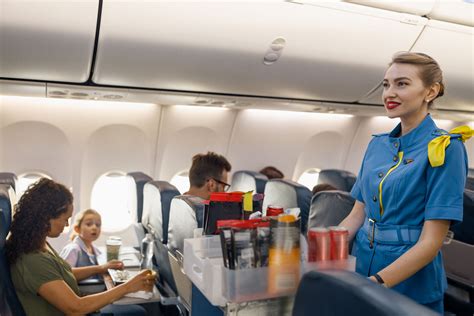
Overnight flights add another layer. With reduced cabin activity and passengers asleep, crew rely on pre-established seating arrangements to maintain efficiency. Unexpected changes disrupt this balance, turning a controlled system into a reactive one.
The Social Pressure Trap: Why Passengers Agree (and Regret It)
Despite the risks, most passengers still agree to swap seats. The reason lies in social psychology.
Refusing a request can feel uncomfortable, especially in close quarters where interactions are unavoidable. Many passengers report feeling:
- Pressured by tone or urgency
- Guilty for declining, particularly when children are involved
- Concerned about being perceived as uncooperative
Research indicates that over 80% of passengers who agree to swap seats later regret it, often citing pressure as the primary factor.
What starts as a polite exchange can leave one party dissatisfied—and on a long overnight flight, that dissatisfaction can linger for hours.
Airline Policies: What You’re Actually Allowed to Do
Airlines are clear on one point: passengers are expected to remain in their assigned seats unless instructed otherwise.
While flexibility exists, it is conditional:
- Seat changes should be approved by a flight attendant
- Movement to premium cabins without authorization is prohibited
- Some seats may be reserved for crew use or safety reasons
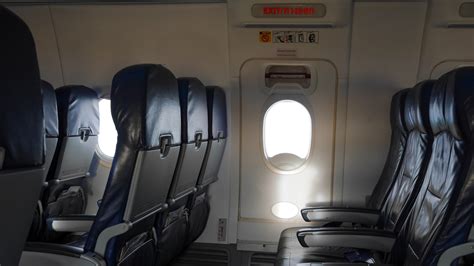
Importantly, non-compliance with crew instructions can escalate into a safety issue, not just a policy violation. The distinction matters—this isn’t about etiquette alone, but adherence to aviation regulations.
When Seat Swaps Make Sense—and When They Don’t
Not all seat swaps are problematic. In fact, many are handled smoothly when approached correctly.
Reasonable scenarios include:
- Reuniting young children with guardians
- Assisting passengers with medical needs
- Fixing operational issues like broken seats
However, less justifiable requests—such as trading up for comfort without offering equivalent value—tend to create friction and imbalance.
The key difference lies in intent, communication, and crew involvement.
Why Overnight Flights Demand Extra Discipline
Daytime flights allow for flexibility; overnight flights demand discipline and predictability.
Passengers are asleep. Cabin lights are dimmed. Crew operate with reduced visibility. In this environment:
- Deviations from assigned seating are harder to detect
- Response times to incidents may increase
- Coordination becomes more challenging
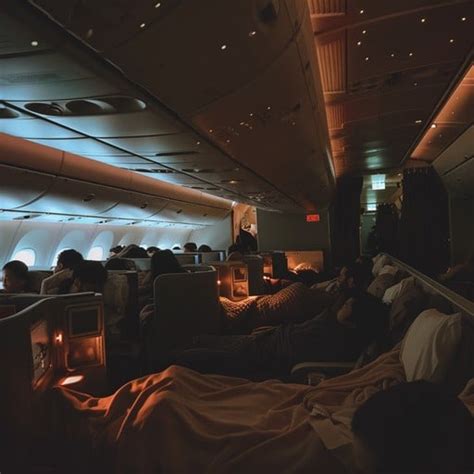
Even small disruptions can cascade into larger issues. This is why flight attendants often emphasize stricter adherence to seating during overnight journeys.
The Hidden Data Layer: Why Your Seat Number Matters Beyond the Flight
Seat assignments extend beyond the flight itself. They contribute to a broader ecosystem of aviation safety data.
Authorities analyze seating data to:
- Study injury patterns in incidents
- Improve aircraft design and evacuation procedures
- Refine safety protocols
If passengers move unpredictably, this data becomes less reliable. Over time, that can undermine the accuracy of safety improvements, affecting future travelers.
The Unspoken Rule: The Safest Seat Is the One Assigned to You
There’s an enduring debate about the “safest seat” on an aircraft. Window or aisle? Front or back? Exit row or overwing?
The reality is more grounded: the safest seat is the one the crew expects you to be in.
Predictability enables:
- Faster emergency response
- Accurate communication
- Efficient evacuation
Seat swapping, when unmanaged, erodes that predictability.
Practical Etiquette for Navigating Seat Swap Requests
Navigating seat swaps doesn’t require rigidity—it requires awareness.
If asking:
- Be polite, clear, and respectful
- Offer a comparable or better seat when possible
- Accept refusal without pressure
If being asked:
- Evaluate the request without obligation
- Consider comfort, flight duration, and personal needs
- Involve a flight attendant before agreeing
This approach balances human empathy with operational safety, ensuring that kindness doesn’t come at the cost of risk.
Final Insight: A Small Move with Outsized Consequences
A seat swap may feel like a minor adjustment, a simple act of cooperation between passengers. But within the tightly regulated environment of an aircraft—especially on overnight flights—it carries layers of operational, psychological, and safety implications.
Flight attendants don’t discourage seat swaps out of rigidity; they do so מתוך experience. They’ve seen how quickly small deviations can complicate larger systems.
Understanding that context transforms the question from “Why not switch?” to something more grounded:
Is this change worth the potential disruption it creates?
In many cases, the safest—and smartest—answer is to stay exactly where you are.